







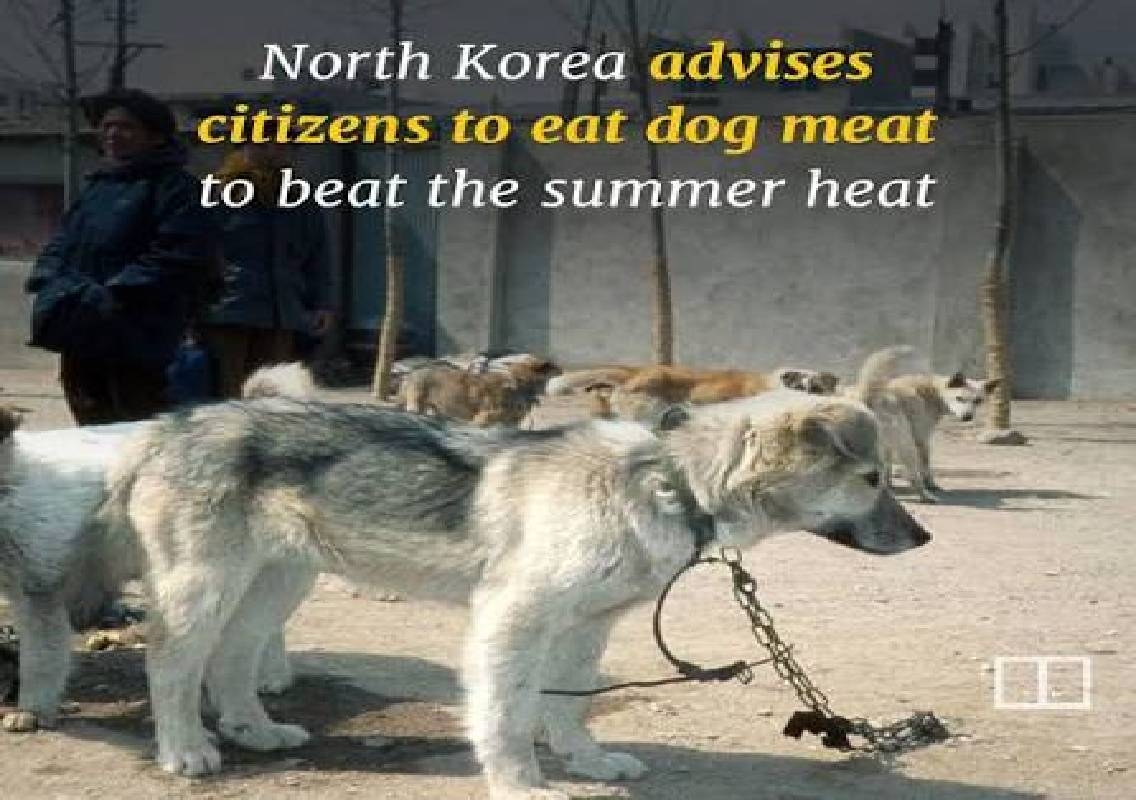


Pyongyang: As an intense heatwave grips the Korean Peninsula, North Korean state media has urged citizens to consume dog meat soup as a traditional way to cope with soaring temperatures. The recommendation was published alongside broader health advice that included staying hydrated and eating seasonal foods such as watermelon, cucumbers and mung beans during the hottest period of the year, locally known as sambok or the “dog days of summer.”
The advice comes as North Korea recorded temperatures of 36.7 degrees Celsius, its highest since weather records began, while neighbouring South Korea continues to battle record-breaking heat that has caused multiple deaths and thousands of heat-related illnesses.
State media recommends traditional summer foods
North Korea’s ruling party newspaper Rodong Sinmun quoted doctors recommending a combination of cooling and nutritious foods to help people cope with the extreme weather.
Alongside watermelon, cucumbers and mung beans, the newspaper suggested dog meat soup, fish porridge and red-bean porridge as foods believed to help restore stamina during periods of intense heat. The state-run Korean Central News Agency (KCNA) also highlighted samgyetang, a chicken soup prepared with ginseng, glutinous rice and jujubes, as another popular summer dish.
Dog meat soup promoted as a traditional remedy
State media devoted a separate feature to dog meat soup, describing it as a long-standing Korean summertime tradition.
The report revived an old proverb claiming that “even if dog-meat soup spills on the top of your foot during the dog days of summer, it becomes medicine,” reflecting a traditional belief that consuming the dish helps the body withstand extreme summer heat. It also noted that North Korea held a national dog meat cooking competition earlier this year.
Health campaign amid record temperatures
North Korean television has been broadcasting public health programmes advising people how to stay safe during the ongoing heatwave.
The broadcasts include recommendations on proper hydration, swimming safely, limiting strenuous outdoor activity and consuming nutritious meals. State media has also shown crowds visiting beaches, swimming pools and water parks to escape the oppressive weather.
Heatwave affects entire Korean Peninsula
The heatwave has affected both North and South Korea, although the two countries have responded differently.
While North Korea has not released any official figures on heat-related casualties, South Korea has reported more than 20 heat-related deaths, thousands of illnesses and significant losses of livestock and fish because of the prolonged high temperatures.
Propaganda highlights Kim Jong Un’s resilience
Alongside health guidance, North Korean media has continued portraying leader Kim Jong Un as sharing the hardships faced by ordinary citizens.
Rodong Sinmun revisited earlier accounts of Kim conducting inspections at construction sites and industrial facilities during scorching summer weather, presenting him as a leader willing to endure difficult conditions for the benefit of the people. However, state media has not disclosed his activities during the current heatwave.
Dog meat remains controversial
The promotion of dog meat soup has once again drawn international attention because the practice remains controversial.
While dog meat has historically been consumed in parts of Korea during the hottest weeks of summer, consumption has declined sharply in South Korea, where legislation has been passed to phase out the commercial dog meat industry. In contrast, North Korea continues to officially promote the dish as part of its traditional cuisine.
Conclusion
As North Korea faces one of its hottest summers on record, authorities are encouraging citizens to rely on traditional dietary practices, including dog meat soup, to cope with the heat. While the recommendation reflects longstanding cultural beliefs in North Korea, it also highlights the stark contrast with changing attitudes towards dog meat consumption elsewhere on the Korean Peninsula amid growing international scrutiny.