







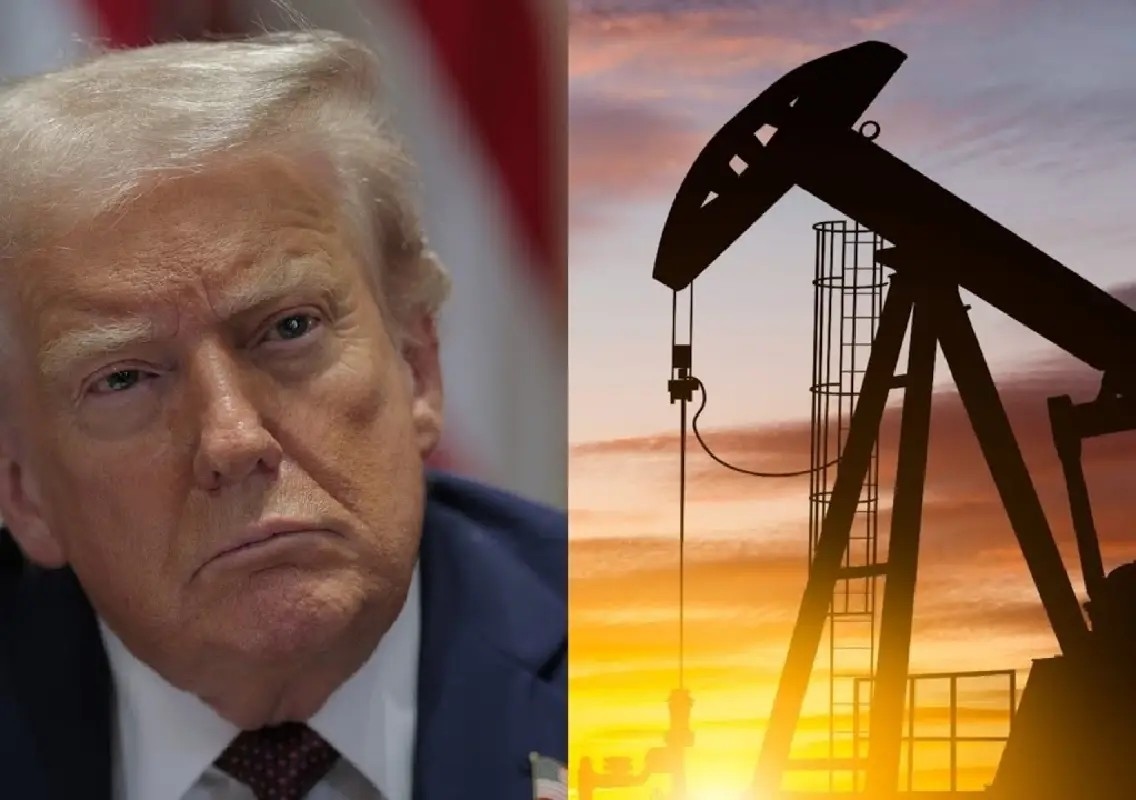


Global oil prices surged in Monday morning trading after Donald Trump rejected Iran’s latest response to a US-backed proposal aimed at ending the ongoing conflict in the Middle East.
International benchmark Brent crude reportedly rose more than 4 per cent to around $105 per barrel, while US West Texas Intermediate crude climbed close to $100 per barrel amid fears of prolonged instability in the region.
Strait of Hormuz concerns fuel market anxiety
Market volatility intensified as the crucial Strait of Hormuz — through which nearly one-fifth of global oil shipments normally pass — remains heavily disrupted due to the ongoing conflict.
Analysts say investors fear continued tensions could further restrict oil flows and tighten global energy supplies.
Trump reportedly described Tehran’s response to the peace proposal as “totally unacceptable”, signalling that negotiations remain stalled.
Iran’s reported demands
According to reports, Iran’s proposal included demands such as:
- Ending military operations
- Lifting US sanctions
- Reopening shipping routes
- Guarantees against future attacks
- Easing restrictions on Iranian oil exports
However, the US reportedly insisted on stricter conditions linked to Iran’s nuclear activities and regional military posture.
Global economic concerns rise
The renewed surge in oil prices has triggered concerns over:
- Rising fuel costs
- Inflationary pressure
- Supply chain disruptions
- Increased transportation expenses
- Economic uncertainty in import-dependent nations
Countries heavily dependent on imported crude oil, including India, are closely monitoring developments in the region.
Markets react cautiously
Alongside rising oil prices, global stock futures weakened amid fears that prolonged conflict could affect economic recovery and international trade.
Energy analysts say oil markets are likely to remain volatile until there is clarity on ceasefire negotiations and maritime security in the Gulf region.
Diplomatic efforts continue
Despite the sharp rhetoric, reports indicate diplomatic channels between Washington and Tehran remain open through intermediaries including Pakistan and Qatar.
International observers continue to watch for possible breakthroughs that could stabilise both regional tensions and energy markets.