







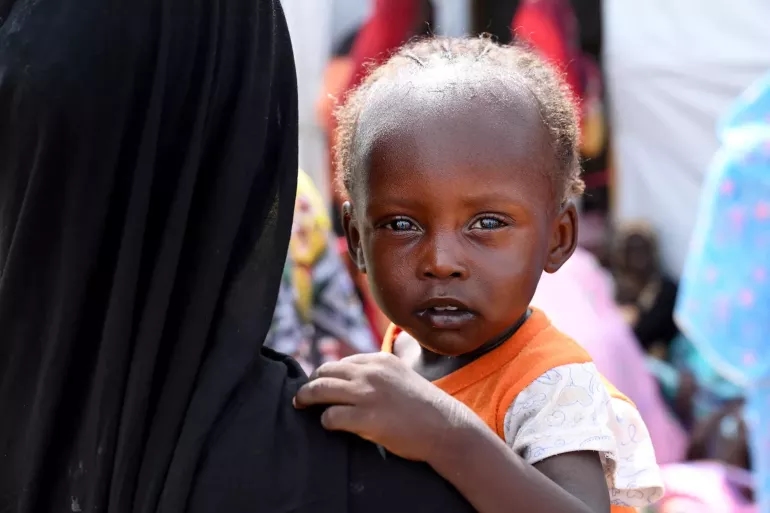


More than half of the children assessed in Um Baru locality in North Darfur, Sudan, are suffering from acute malnutrition, according to the latest SMART survey released by UNICEF. The findings reveal one of the most severe nutrition emergencies recorded globally.
The survey, conducted between December 19 and 23, screened nearly 500 children and found a Global Acute Malnutrition (GAM) rate of 53 per cent. Of these, 18 per cent were diagnosed with Severe Acute Malnutrition (SAM), a life-threatening condition, while 35 per cent suffered from Moderate Acute Malnutrition (MAM). These figures are more than three times the emergency threshold set by the World Health Organisation.
Children at immediate risk of death
UNICEF Executive Director Catherine Russell warned that the situation is critical. She said that when severe acute malnutrition reaches such levels, time becomes the most decisive factor for survival. “Children in Um Baru are fighting for their lives and need immediate help,” she said, stressing that preventable deaths are likely without urgent intervention.
The crude mortality rate in the locality has reached emergency levels, highlighting the immediate risk facing children already weakened by hunger and disease.
Displacement and disease worsen crisis
Many families in Um Baru are recently displaced, having fled intensified fighting in Al Fasher in late October. A large proportion of children among them remain unvaccinated against measles and other preventable diseases, leaving them extremely vulnerable.
The survey found that one in three children had been ill in the two weeks preceding the assessment, primarily with fever, cough or diarrhoea. Measles vaccination coverage stood at just 24 per cent, while Vitamin A coverage was as low as 11 per cent.
Access restrictions delay life-saving aid
The crisis is unfolding amid escalating insecurity that has severely restricted humanitarian access. Continued fighting has delayed the delivery and expansion of essential nutrition and health services.
North Darfur remains at the epicentre of Sudan’s malnutrition crisis, with nearly 85,000 severely malnourished children admitted for treatment in the state by November this year alone. While UNICEF has prepositioned Ready-to-Use Therapeutic Food (RUTF), experts stress that comprehensive health, nutrition and water services are urgently needed.
UNICEF has called on all parties to ensure immediate, safe and unhindered humanitarian access. Without a respected humanitarian pause in fighting, aid agencies warn that children will continue to pay the highest price for the conflict.