







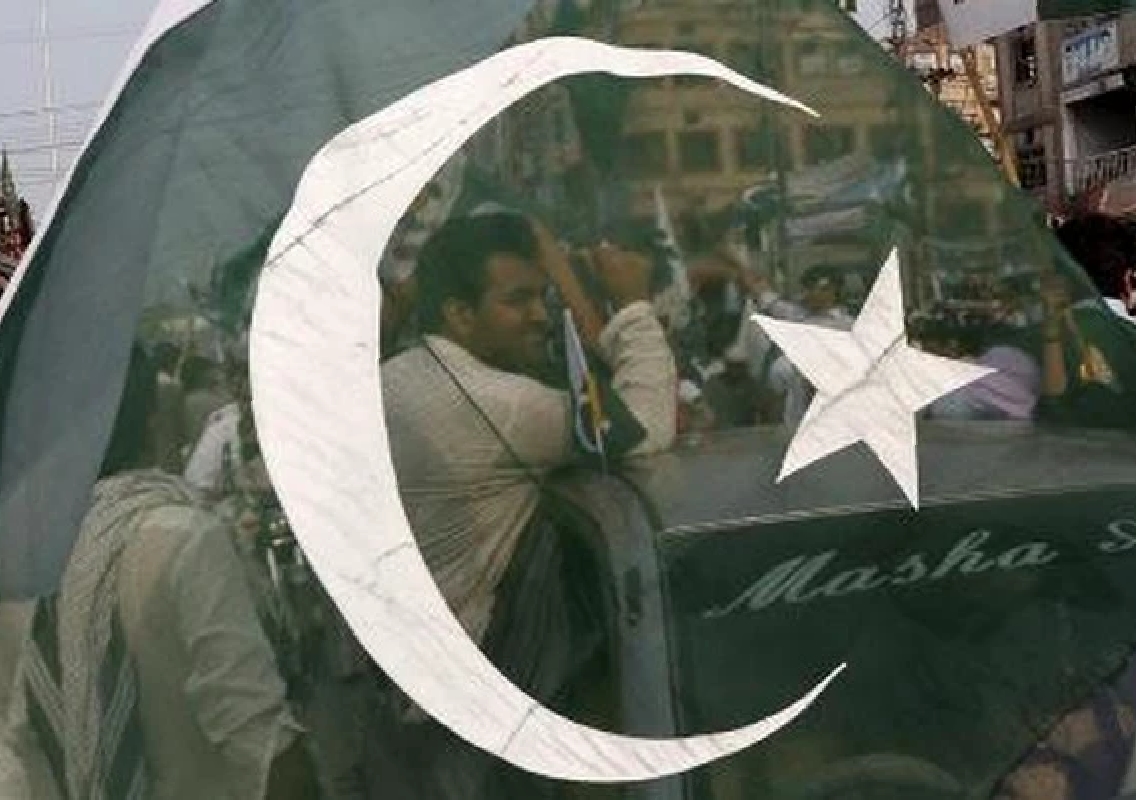


Human Rights Focus Pakistan (HRFP) observed National Minorities Day on Sunday with a significant protest rally held at the Vision Hall in Faisalabad. The event centred around the theme of religious freedom, reflecting on the profound message delivered by Pakistan’s founder, Muhammad Ali Jinnah, in his historic speech on August 11, 1947.
Jinnah’s speech famously declared: “You are free; you are free to go to your temples, you are free to go to your mosques or any other place of worship in this state of Pakistan. You may belong to any religion, caste or creed – that has nothing to do with the business of the state.” This pivotal statement was the cornerstone of HRFP’s observance, underscoring the ongoing struggle for religious freedom in Pakistan.
The event was attended by a diverse group of individuals, including political workers, civil society representatives, human rights defenders, lawyers, educators, youth, and women. The attendees engaged in passionate discussions about Jinnah’s ideology and the challenges faced by religious minorities today.
Naveed Walter, the president of HRFP, delivered a powerful speech highlighting the importance of Jinnah’s speech as a beacon for religious freedom, citizens’ rights, and political inclusion. Despite this, Walter expressed frustration that political parties often utilise Jinnah’s message for electoral purposes without enacting substantive changes. He criticised the current system where reserved seats for minorities often lead to representatives being more aligned with their parties rather than the communities they are meant to serve.
Walter pointed out the increasing attacks on minorities, citing recent incidents such as the violence in Jaranwala and the death of Nazir Masih in May 2024. He also recalled past tragedies, including the 2009 incidents in Gojra and Koriyaan, and highlighted the recent attacks in Gojra on August 6, where a Christian family was targeted based on false blasphemy accusations.
Walter emphasised the need for decisive government action to protect minorities and ensure justice. He criticised the authorities for neglecting these critical issues, leading to a culture of impunity for perpetrators and unjust punishment for innocent individuals. He urged the government to address the case of Ehsan Shan, a Christian youth wrongly sentenced to death, and to take action against those who exploit blasphemy laws for personal vendettas.
The event concluded with a resolution to incorporate Jinnah’s August 11 speech into the constitution, reinforcing the principle that state matters should remain separate from religion. The panellists, including Ejaz Jacob Gill, James Lal, Manzoor Anthony, and others, reiterated the need to actively promote and implement Jinnah’s vision. They stressed the importance of addressing the challenges faced by religious minorities and advocating for their rights and equality.