







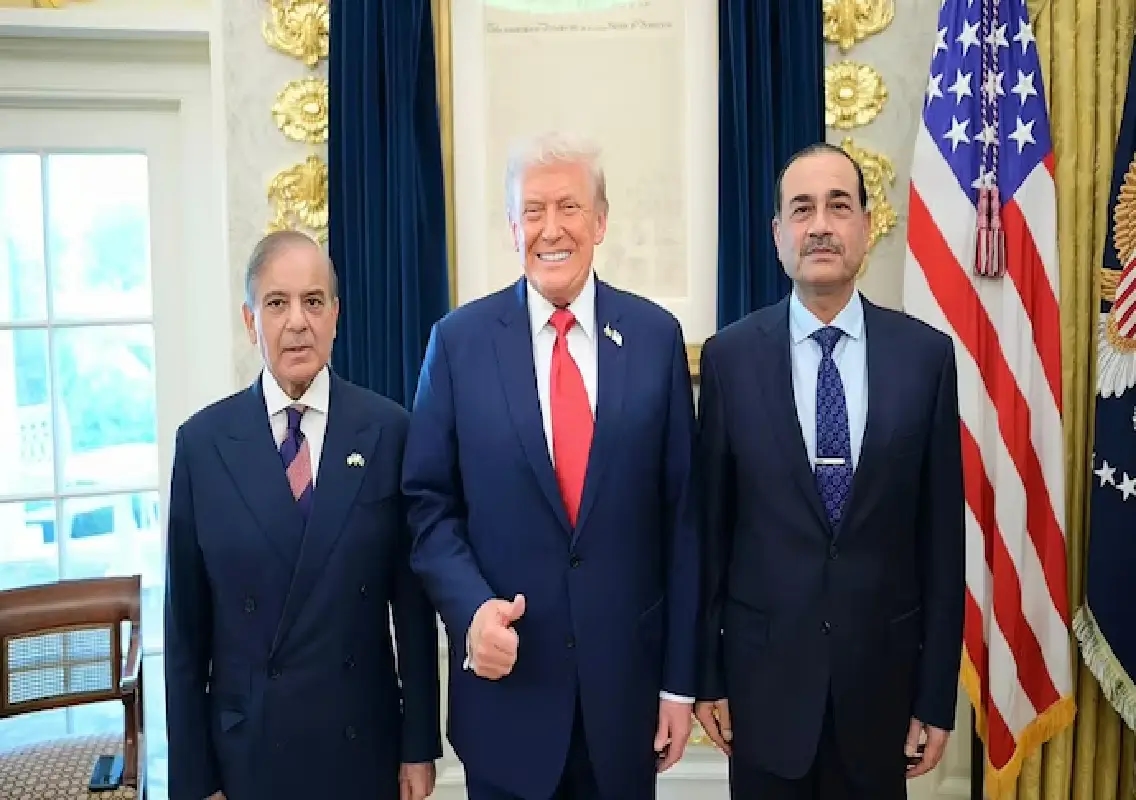


Pakistan is attempting to reposition itself on the global stage by offering to mediate in the escalating tensions between the United States and Iran, signalling a notable shift in its diplomatic strategy.
Once criticised by Washington for alleged duplicity, Islamabad is now projecting itself as a “peace broker” amid the ongoing crisis in the Middle East. The move is being seen as part of a broader effort to rebuild its international image and re-engage with key global powers.
From criticism to cooperation
During his earlier tenure, former US President Donald Trump had openly accused Pakistan of “lies and deceit” despite years of financial and military assistance. However, recent developments suggest a partial reset in relations.
According to reports, Pakistan has aligned itself with certain US priorities, enabling renewed engagement. This shift has allowed Islamabad to re-enter strategic conversations at a time of heightened geopolitical tensions.
Backchannel diplomacy gains traction
US special envoy Steve Witkoff stated that Pakistan played a role in conveying a 15-point US proposal to Iran through backchannel communication. Pakistan’s Deputy Prime Minister Ishaq Dar also confirmed that such a message had been facilitated.
Additionally, Trump publicly acknowledged Pakistan’s offer to host talks between Washington and Tehran, lending visibility and credibility to the proposal.
Experts believe this diplomatic engagement has helped Pakistan shed perceptions of isolation and reposition itself as a key intermediary in a high-stakes international conflict.
Strategic outreach to US leadership
A key factor in this shift appears to be Pakistan’s outreach to influential figures within Trump’s circle. Asim Munir, the country’s army chief, is reported to have played a central role in building these connections.
These efforts have extended beyond traditional diplomacy to include business and strategic engagements. Reports suggest that interactions involving individuals linked to Steve Witkoff’s network and Pakistani authorities have strengthened ties.
Trump himself has spoken favourably about Munir, indicating a level of personal rapport that analysts say Pakistan has carefully cultivated.
Balancing regional relationships
Pakistan’s attempt to act as a mediator comes with challenges, given its complex regional ties. It shares a border with Iran and maintains working relations with Tehran, while also having strong defence cooperation with Saudi Arabia.
This balancing act places Islamabad in a delicate position, as it seeks to maintain neutrality while engaging with competing regional interests.
Domestic factors also play a role. Reports of unrest within Pakistan following developments involving Iranian leadership highlight the internal sensitivities tied to the crisis.
Push for multilateral dialogue
Pakistan is reportedly working towards hosting a meeting involving multiple countries, including Saudi Arabia, Turkey, and Egypt, to facilitate dialogue and reduce tensions.
While Iran has proposed its own framework for negotiations, Pakistan continues to advocate for diplomatic engagement and conflict resolution.
Conclusion
Even as the outcome of US-Iran negotiations remains uncertain, Pakistan appears to have achieved a strategic objective—reasserting its relevance in global diplomacy. By stepping into a sensitive geopolitical situation, Islamabad has reopened channels with Washington and positioned itself as a potential mediator in one of the world’s most volatile conflicts.