







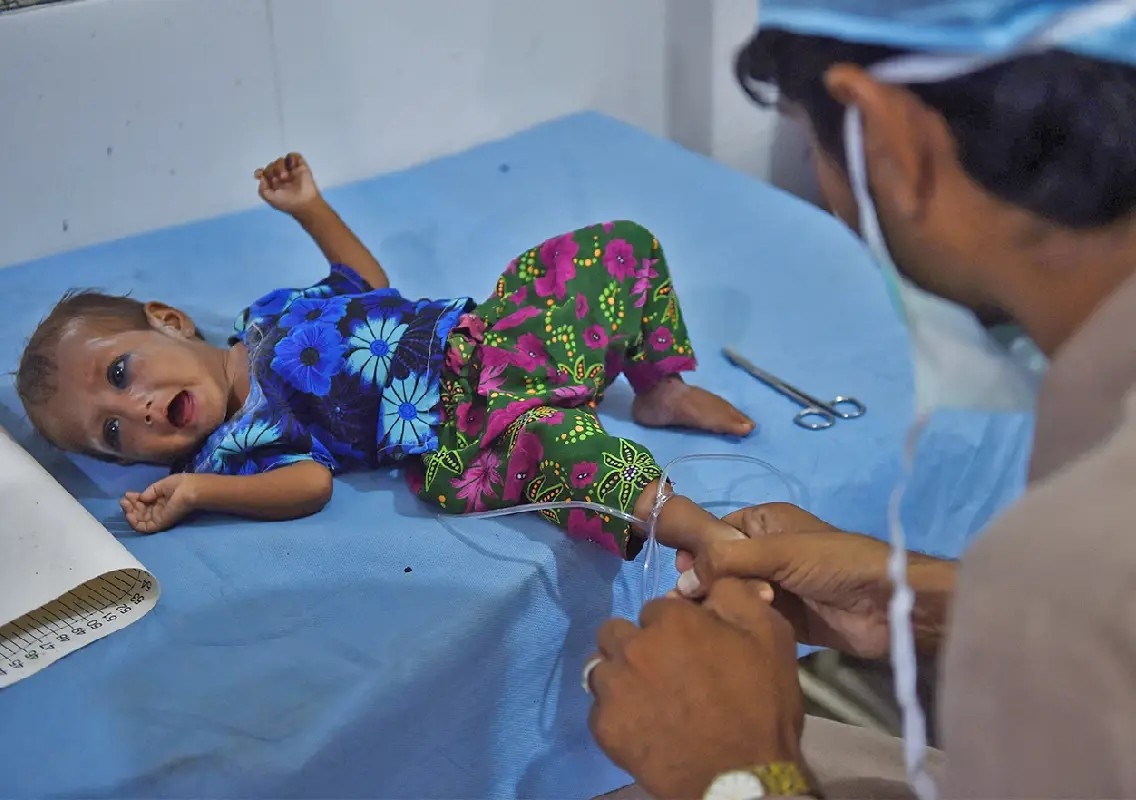


Pakistan needs to step up efforts to tackle child stunting and strengthen maternal and child nutrition programmes, according to a column published by Dawn.
The call comes amid concerns that progress in reducing childhood stunting has remained slow despite years of efforts. The figures cited in the column show that the prevalence of child stunting fell only marginally, from 41.6% in 2001 to 40.2%, highlighting the scale of the challenge.
Progress remains painfully slow
Child stunting, which is linked to chronic undernutrition and poor health during the early years of life, can affect a child’s growth and development.
The limited decline in Pakistan’s reported stunting rate over the years points to the need for sustained and stronger interventions, particularly during pregnancy and the first years of a child’s life.
Mothers and children need stronger support
The Dawn column calls for an expansion of maternal and child nutrition programmes, placing greater emphasis on preventing malnutrition rather than addressing its consequences later.
Better nutrition for mothers can play an important role in giving children a healthier start, while access to adequate food, healthcare and nutrition support remains crucial during childhood.
The column argues that existing efforts need to be strengthened to achieve meaningful improvements.
A challenge that needs sustained action
The persistence of high stunting levels means the issue extends beyond individual families and has implications for Pakistan’s wider development.
Reducing childhood malnutrition requires consistent attention to nutrition, healthcare and support for vulnerable families. Stronger programmes could help ensure that more children receive the nutrition they need during critical stages of growth.
The figures highlighted by Dawn underline the urgency of the challenge. After years of only limited improvement, Pakistan is being urged to intensify its efforts so that progress in reducing child stunting becomes faster and more substantial.