









Pakistan is in the throes of a political crisis, with claims that an undeclared martial law has been imposed. Prime Minister Shahbaz Sharif‘s military-backed government, according to the opposition, first sought time from Imran Khan’s party, Pakistan Tehreek-e-Insaf (PTI), only to later introduce legislation aimed at arresting opposition leaders. This law received presidential approval on the same day as a massive PTI rally in Islamabad.
PTI’s Rally and Government Crackdown
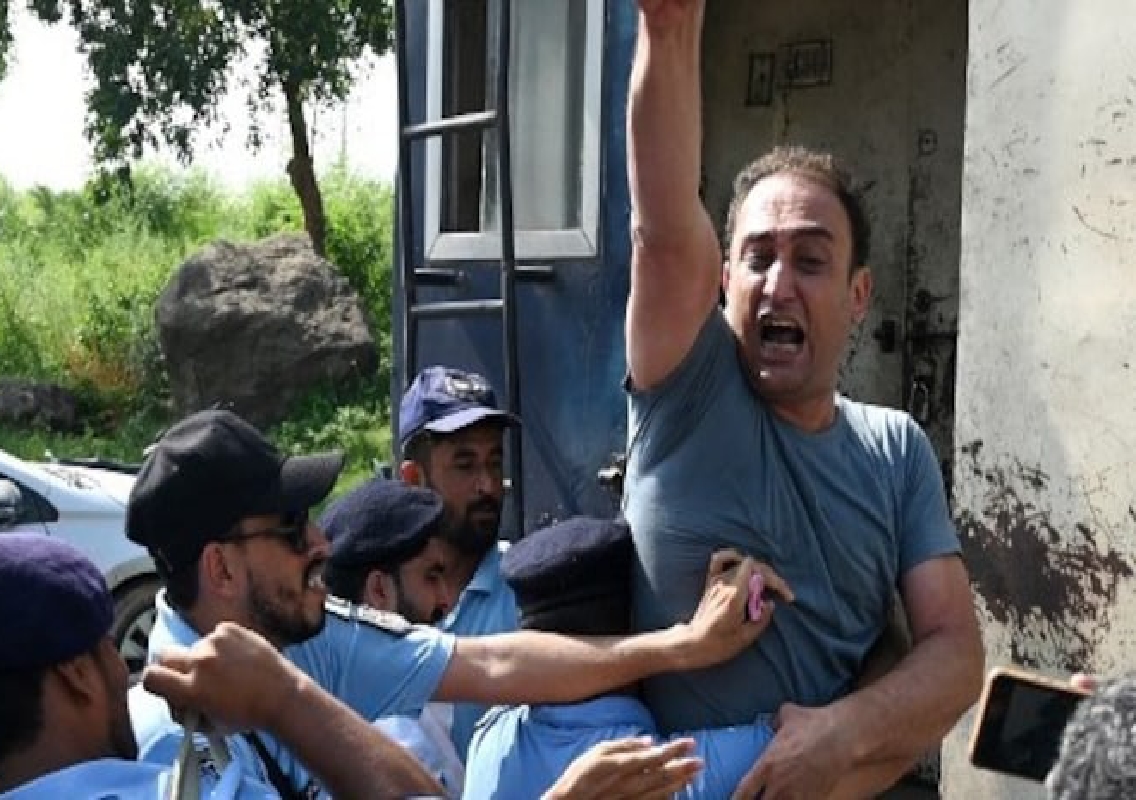
On September 8, tens of thousands of PTI members gathered on the outskirts of Islamabad, defying barricades to reach the capital. They demanded the immediate release of their leader, Imran Khan, who is imprisoned. In response, the government swiftly acted, arresting numerous PTI leaders and supporters. PTI claims that the arrests were orchestrated by the military establishment, further fuelling their assertion of an “undeclared martial law” in the country.
Adding to PTI’s woes was the recent legislation granting Islamabad city officials increased powers to regulate and ban public assemblies, a move that critics say is aimed directly at curbing PTI’s activities.
The History of Martial Law in Pakistan
The term “martial law” is a loaded one in Pakistan’s political history, with the military having taken over the government multiple times. PTI’s claim of “undeclared martial law” stems from their belief that the Shahbaz Sharif-led government, supported by the military and opposition parties like the Pakistan People’s Party, is behind the crackdown on PTI, including Imran Khan’s imprisonment.
The Significance of Islamabad’s Jalsa
The Islamabad rally, held on the first anniversary of Imran Khan’s imprisonment, marked a significant moment for PTI. The event was attended by several prominent PTI leaders, all demanding the unconditional release of Imran Khan and calling for political change. PTI supporters remained resolute, despite their party’s derecognition by the government.
Among the attendees was PTI leader Sher Afzal Khan Marwat, who addressed the crowd, promising that PTI would continue its resistance and march to Lahore. However, tensions flared between the protesters and the police, with PTI accusing the authorities of using excessive force to suppress the rally.
Following the rally, the government’s crackdown intensified. Several key PTI leaders, including PTI interim chairperson Gohar Khan and lawmakers Sher Afzal Khan Marwat and Shoaib Shaheen, were arrested. In a dramatic turn, Khyber Pakhtunkhwa’s Chief Minister, Ali Amin Gandapur, who gave a fiery speech at the rally, went missing for eight hours.
PTI’s Response: Allegations of Undeclared Martial Law
The crackdown and subsequent arrests led PTI to declare that an “undeclared martial law” was in effect. On social media, PTI leaders and handles flooded platforms like X with posts using the hashtag #UndeclaredMartialLaw, accusing the government of cracking down on dissent.
In one post, the PTI handle on X stated, “Seems like chaos and desperation in Rawalpindi’s power corridors after Imran Khan’s power show in Islamabad yesterday, despite every effort by the regime to thwart the rally. This is an #UndeclaredMartialLaw.”
New Legislation: A Tool to Silence Opposition?
What has amplified the cries of authoritarianism from PTI is the recent passing of the Peaceful Assembly and Public Order Bill 2024. The bill, which received President Asif Ali Zardari’s approval on the same day as the PTI rally, grants local authorities in Islamabad sweeping powers to regulate or even ban public assemblies.
The timing of the bill’s passage has been heavily criticised by PTI, who claim it was rushed through to specifically target their activities. PTI leaders have called it a “draconian law,” designed to crush opposition and dissent. The law carries harsh penalties, including up to three years in prison or heavy fines for those who defy its provisions.
PTI also alleges that the federal government used the preceding weeks to quietly introduce the legislation, strategically postponing PTI’s rally until it was in place. According to political observers, including Faran Jeffery, Deputy Director at ITC, a counterterrorism think-tank, the government deliberately delayed the rally to ensure the new legislation was in effect, knowing PTI would violate it during the demonstration.
Nationwide Crackdown and Political Fallout
Following the rally, PTI leaders, including Imran Khan’s allies, were swiftly arrested. Six MPs from PTI were among the 30 individuals remanded in custody by September 10, as reported by AFP. The arrests were made under the newly passed legislation, fuelling accusations that the government was acting to suppress opposition under the guise of law and order.
Despite the government’s heavy-handed approach, PTI remains defiant, with its leaders vowing to continue their struggle. Ali Amin Gandapur, who went missing briefly after his speech at the rally, warned that if Imran Khan was not released soon, PTI would take matters into its own hands.
What’s Next for Pakistan?
As the political crisis deepens, the question of where Pakistan heads next remains uncertain. PTI’s next target appears to be Lahore, where they plan to stage another major rally. However, with the government tightening its grip, including through the use of new legislation, PTI’s path forward looks fraught with challenges.
Imran Khan’s imprisonment and PTI’s declaration of “undeclared martial law” have brought Pakistan to a boiling point. The next few weeks could be critical in determining whether the government’s crackdown intensifies or if a resolution to the political stalemate can be found. All eyes now turn to PTI’s next moves and whether the opposition can continue to rally its supporters in the face of growing repression.