







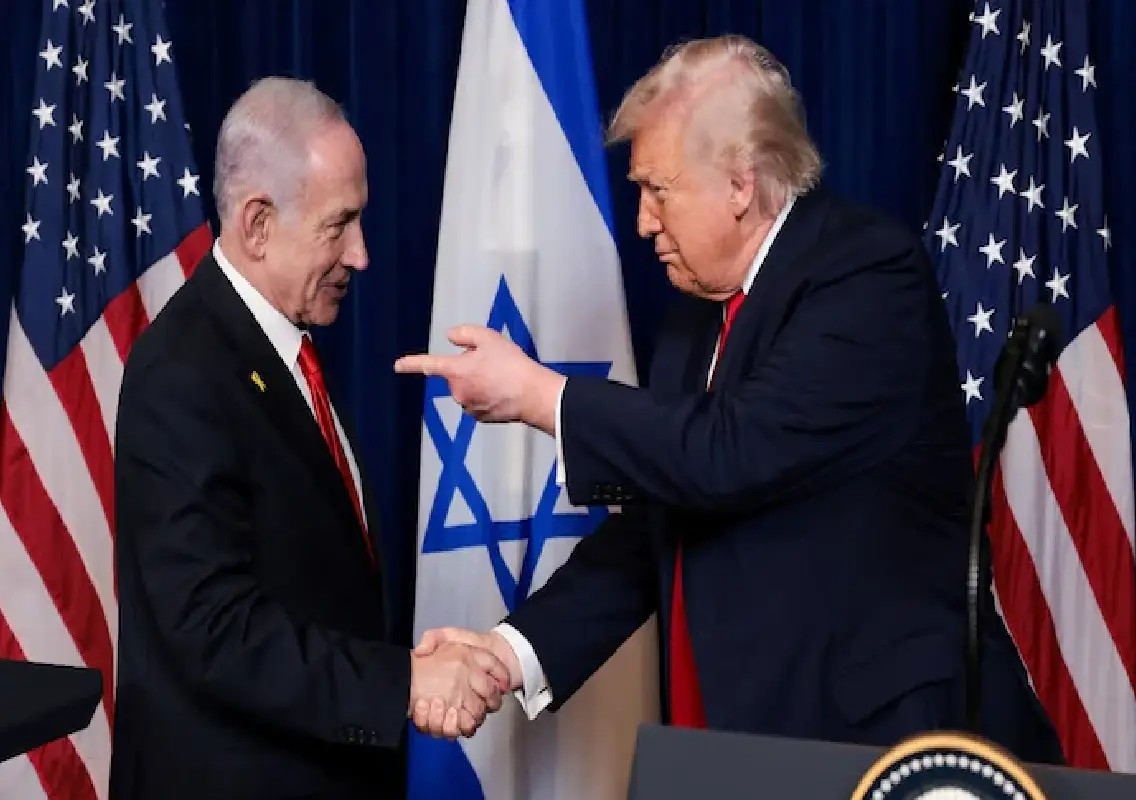


Washington: The United States defence establishment has reportedly heightened concerns over Israeli intelligence-gathering activities, with a Pentagon assessment warning that senior American officials could face increased surveillance efforts amid growing policy differences between US President Donald Trump and Israeli Prime Minister Benjamin Netanyahu over Iran and broader Middle East strategy.
According to reports, the Pentagon’s Defence Intelligence Agency (DIA) has elevated Israel’s counter-intelligence threat designation to a “critical” level, its highest internal assessment category.
Intelligence assessment raises alarm
The reported assessment emerged against the backdrop of increasing disagreements between Washington and Tel Aviv regarding the future course of the conflict involving Iran and regional security issues.
Officials familiar with the matter reportedly told US media outlets that the DIA circulated an internal notice accompanied by a detailed assessment outlining concerns about Israel’s intelligence-gathering capabilities.
The report is said to have concluded that Israel possesses highly advanced human intelligence and technical surveillance capabilities that warrant increased caution from US officials.
Sources indicated that the designation was not linked to any single incident but reflected broader concerns regarding intelligence collection activities.
Additional precautions for US officials
Current and former US officials reportedly stated that American personnel travelling to Israel have long been advised to follow enhanced security protocols.
These measures include the use of temporary communication devices, restricted discussions of sensitive information and strict operational security practices during official visits.
Security experts noted that senior officials often avoid discussing classified matters in hotels and other locations considered vulnerable to surveillance.
The latest assessment is expected to result in even stricter precautions for officials interacting with Israeli counterparts or travelling within the region.
Experts describe Israeli intelligence as aggressive
Analysts cited in the reports described Israel’s intelligence apparatus as one of the most capable and active in the world.
According to security experts, Israeli agencies have historically maintained strong intelligence-gathering operations focused on regional threats and strategic developments affecting national security.
Some former officials argued that the scope of alleged information collection activities may extend beyond what is typically expected between close allies.
However, no public evidence has been presented to indicate that US government officials were directly targeted.
Israel rejects allegations
Israel has strongly denied the claims.
A spokesperson for the Israeli Embassy in Washington reportedly dismissed suggestions that Israel conducts intelligence operations against American government officials.
The spokesperson stated that Israeli intelligence efforts are directed towards adversaries and security threats rather than allied governments.
Israeli officials have maintained that intelligence cooperation between the two countries remains extensive and continues to play an important role in regional security.
White House disputes report
The White House has also challenged the claims.
A US administration official reportedly described the allegations as inaccurate and questioned the credibility of the sources cited in the reports.
Despite the reported concerns, officials indicated that intelligence-sharing arrangements between the United States and Israel remain unchanged.
The two countries continue to cooperate closely on counter-terrorism, regional security and intelligence matters.
Differences over Iran strategy
The reported concerns come at a sensitive time in US-Israel relations, with disagreements emerging over policy towards Iran.
Since a ceasefire earlier this year, President Trump has reportedly pursued diplomatic efforts aimed at achieving a broader agreement with Tehran.
Meanwhile, Netanyahu has publicly expressed scepticism regarding Iran’s willingness to comply with negotiated arrangements and has continued to advocate a tougher security approach.
The differing views have reportedly led to tensions between the two leaders and raised questions about future coordination on Middle East policy.
Intelligence cooperation continues
Despite periodic disagreements, the United States and Israel remain among each other’s closest strategic partners.
Intelligence experts note that espionage concerns among allied nations are not uncommon, particularly when major geopolitical issues are involved.
While the reported Pentagon assessment has attracted significant attention, officials from both countries have emphasised that security cooperation and intelligence-sharing mechanisms remain intact.
As debates continue over Iran, regional conflicts and diplomatic strategies, the issue has highlighted the complex balance between alliance cooperation and national intelligence interests in international relations.