







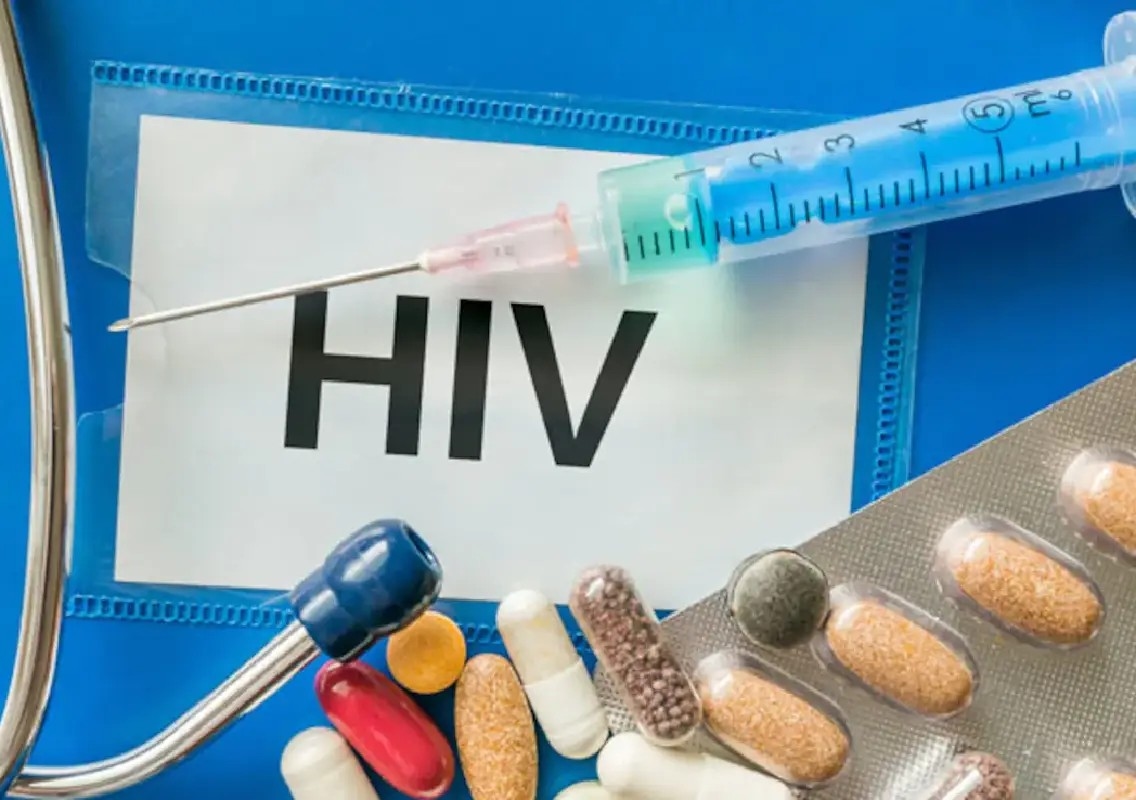


London: Low-income countries are reshaping their HIV/AIDS response as reductions in United States foreign aid place growing pressure on health systems that have long depended on international funding. Governments, aid organisations and healthcare providers are increasingly looking for alternative ways to sustain treatment and prevention programmes amid mounting financial challenges.
Countries look for sustainable funding
Many countries are strengthening domestic healthcare financing, expanding partnerships with international donors and encouraging greater community involvement to minimise the impact of reduced external assistance. Public health experts say the shift is prompting governments to build more self-reliant healthcare systems rather than depending heavily on foreign aid.
Some nations, including Brazil, have demonstrated that sustained domestic investment in HIV prevention and treatment can reduce dependence on overseas funding. However, experts caution that poorer countries with limited resources may face greater challenges in maintaining essential health services.
Concerns over access to treatment
Health organisations have warned that funding cuts could disrupt HIV prevention programmes, reduce access to medicines and affect outreach services for vulnerable communities. Experts also fear that reduced financial support may slow global progress towards the goal of ending AIDS as a public health threat by 2030.
The availability of newer HIV prevention medicines, including long-acting injectable treatments, could also be affected if countries are unable to secure adequate funding or affordable access.
Push for long-term resilience
Public health specialists say the changing funding landscape highlights the need for stronger national health systems, diversified financing and improved regional cooperation. While international assistance is expected to remain important, many countries are now prioritising long-term sustainability to ensure uninterrupted care for people living with HIV.
The evolving approach reflects a broader effort to balance immediate healthcare needs with long-term resilience as global aid priorities continue to change.