







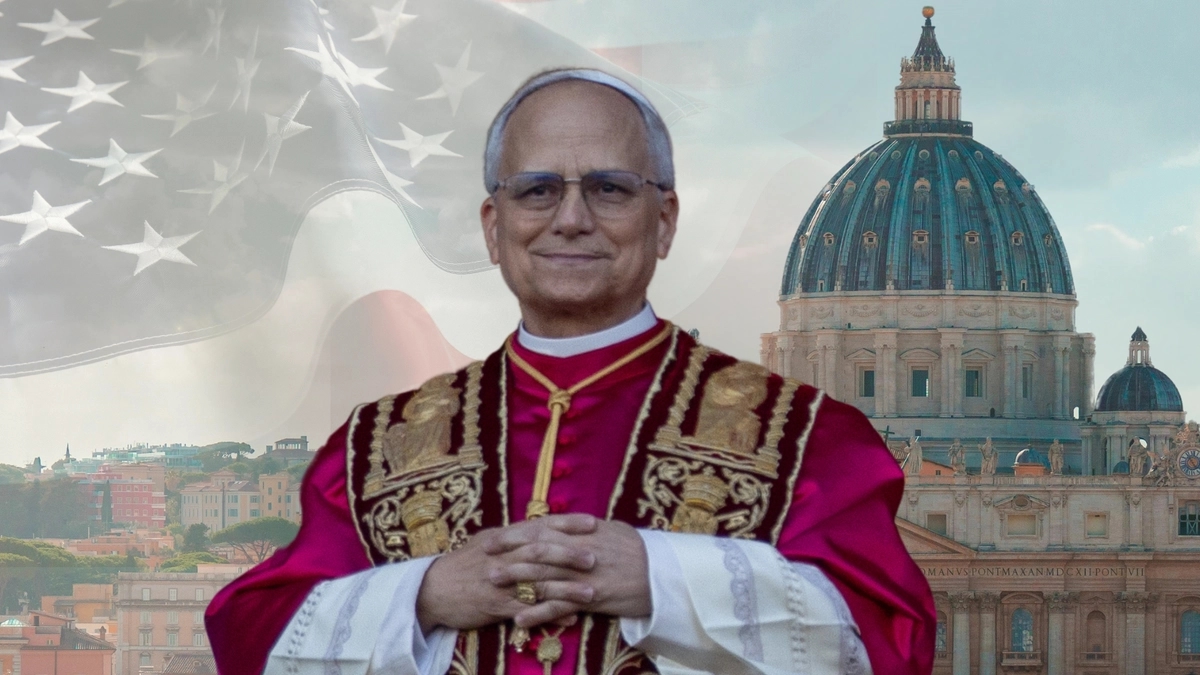


Pope Leo XIV, formerly Robert Prevost of Chicago, has made history as the first American-born pontiff—placing him in a highly unusual situation: an American citizen now serving as the head of a foreign state.
Prevost, born in 1955, holds both U.S. and Peruvian citizenship, the latter gained through his missionary and episcopal work in Peru. For the last ten years, he has maintained this dual status.
Now, as the pope, Leo governs both the Holy See—the spiritual and administrative core of the Roman Catholic Church—and Vatican City, a sovereign entity under international law.
This unique position raises intriguing questions: Can an American remain a U.S. citizen while acting as a foreign head of state?
Vatican City, though minuscule in size at just 0.17 square miles and housing only a few hundred residents, is fully sovereign. It gained independence in 1929 through the Lateran Treaty with Italy.
As Leo assumes his papal responsibilities, the legal and diplomatic implications of his citizenship will likely be monitored closely by both Vatican and U.S. officials.
Though there’s no automatic loss of citizenship, U.S. laws could interpret foreign allegiance in specific contexts—especially when involving leadership of another nation. Still, popes often transcend conventional diplomatic norms.
In essence, Pope Leo XIV’s rise marks not just a religious milestone but a rare moment in geopolitical identity.
- Pope Leo XIV calls for unity with China’s Catholics in first remarks
- Abuse survivors thank Pope Leo XIV by for fighting for them
#PopeLeoXIV #DualCitizenship #VaticanCity #USForeignPolicy