







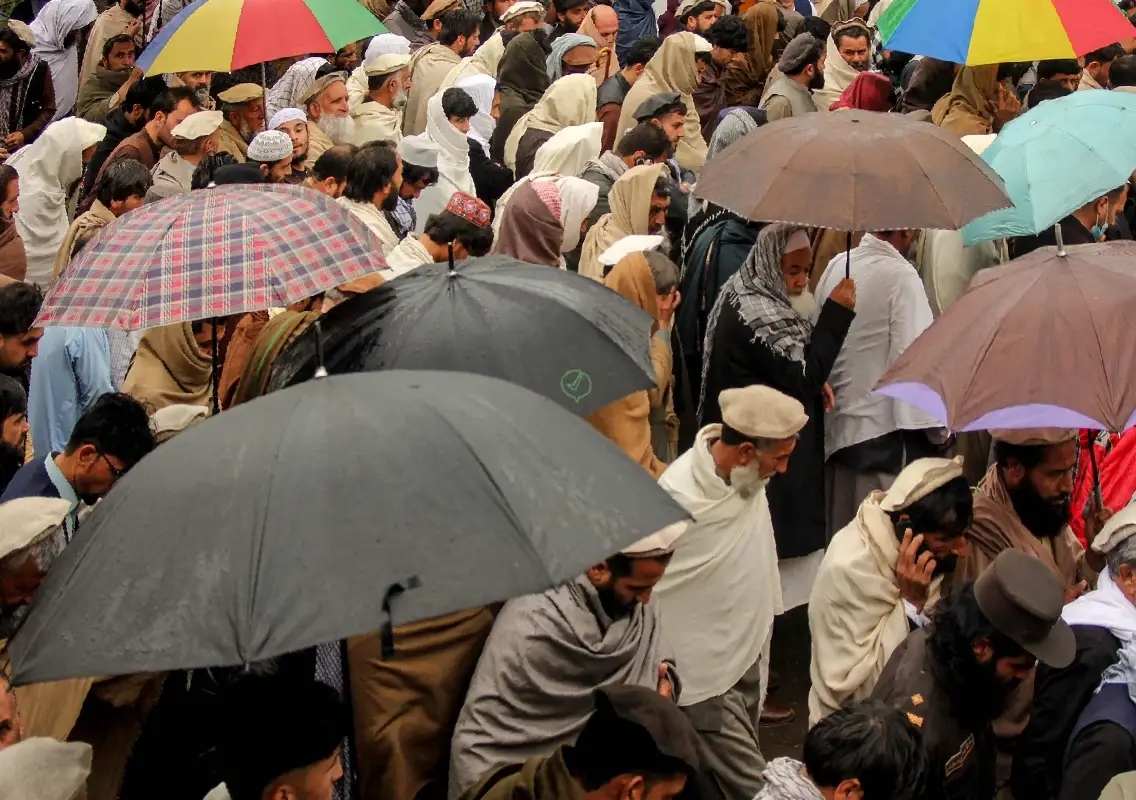


Even as tensions escalate between Afghanistan and Pakistan, both nations are now grappling with another crisis—devastating rains and floods that have claimed dozens of lives.
Heavy rains worsen crisis
In Pakistan’s Khyber Pakhtunkhwa province, continuous rainfall over the past week has led to at least nine deaths, including eight children, and left 47 others injured. Most casualties were caused by the collapse of roofs and walls as heavy rains battered the region since March 25.
Authorities reported damage to several homes, particularly in districts such as Bannu and North Waziristan, with intermittent rainfall expected to continue.
Flood devastation in Afghanistan
The situation is equally severe in Afghanistan, where flash floods triggered by heavy rainfall have killed at least 22 people and injured 32 others.
The worst-affected areas include Parwan, Maidan Wardak, Daykundi, and Logar provinces, where rural and mountainous communities have suffered significant damage. Houses have collapsed, and access to relief remains challenging.
The United Nations has repeatedly identified Afghanistan as highly vulnerable to climate change and natural disasters, with reduced international aid further complicating relief efforts.
Conflict deepens humanitarian strain
The natural disasters come amid a worsening conflict between the two countries. Cross-border tensions have intensified over the past month, with airstrikes, retaliatory attacks, and civilian casualties reported on both sides.
The situation escalated following military actions in late February, with both nations accusing each other of targeting civilians. While Pakistan maintains it struck militant sites, Afghanistan has alleged heavy civilian casualties.
A temporary truce brokered ahead of Eid has since expired, leading to renewed clashes.
Growing global concern
The dual crisis of conflict and natural disasters has raised alarm internationally, as both countries struggle to manage humanitarian challenges.
With rising casualties, damaged infrastructure, and ongoing hostilities, the region faces an increasingly complex emergency, requiring urgent attention and coordinated relief efforts