







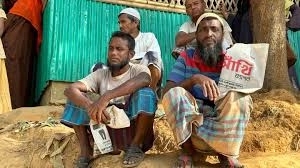


Cox’s Bazar (Bangladesh), Mar 9 – Rohingya refugees living in crowded camps in Bangladesh are voicing concerns about a looming reduction in food rations, with the World Food Programme (WFP) announcing that starting next month, their monthly food aid will be halved. This decision, slated to take effect on April 1, comes at a time when refugees are already facing challenging conditions.
Shamsud Douza, Bangladesh’s additional refugee relief and repatriation commissioner, warned that the cutback will severely affect over 1 million refugees, threatening their nutritional intake and potentially triggering both social and mental stress. “This will lead to a lack of nutrition, and the social and mental pressures within the community will increase,” Douza explained. Refugees will be forced to search for alternative means to secure food, further complicating their dire situation.
The food ration cut follows a broader reduction in aid funding, which many fear is tied to the U.S. government’s rollback of foreign assistance under President Donald Trump. While it is unclear whether the WFP’s decision directly relates to the Trump administration’s actions, the financial cuts have already impacted other support sectors. Douza pointed out that job losses and reduced services are taking a toll on the refugee community.
The U.S. has historically been the largest donor to Rohingya refugee aid, contributing nearly half of the financial support for the crisis. In 2024, the U.S. provided approximately $300 million in emergency food and nutritional assistance. Despite the cuts, funding for the Rohingya response will continue, although at reduced levels.
As news of the ration reductions spread through the camps, anxiety grew among the refugees, many of whom have no income-generating opportunities. “How will I buy rice, chilies, salt, sugar, and dal with 700 taka ($6)?” asked 40-year-old Manzur Ahmed, expressing his fear for his family’s survival. Other refugees also voiced concerns about the growing difficulty of accessing medical treatment, as hospitals are reportedly only offering medicines to emergency patients.
The Rohingya refugees, who fled Myanmar’s military crackdown in 2017 and have lived in Bangladesh for years, are caught in a complex situation, with calls for their return to Myanmar where the government faces international accusations of genocide. Meanwhile, Bangladesh continues to push for their repatriation, even as the humanitarian crisis deepens.
Read also: