







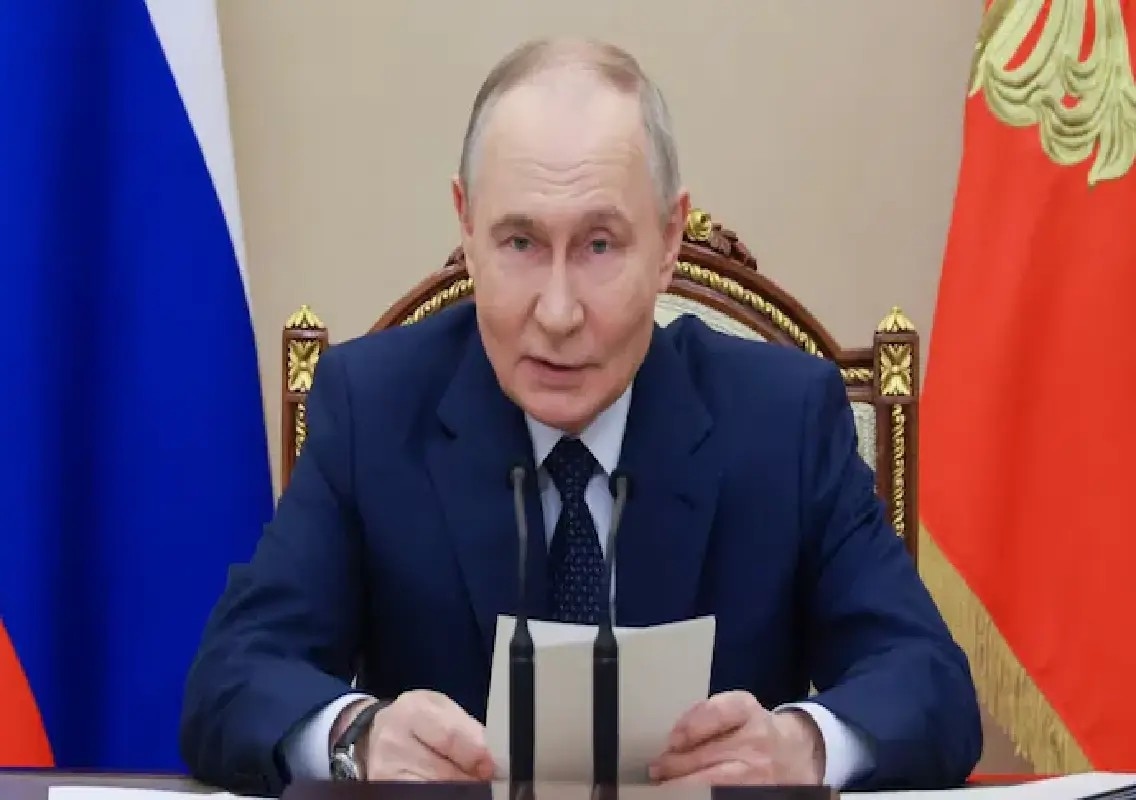


Moscow: Russia has reaffirmed its commitment to the OPEC+ grouping despite the decision by the United Arab Emirates to exit the bloc, signalling its intent to maintain stability in global energy markets.
The development comes at a time of heightened volatility in oil markets, largely driven by the ongoing West Asia crisis and disruptions linked to the Iran conflict.
Kremlin backs OPEC+ role
Kremlin spokesperson Dmitry Peskov described OPEC+ as a crucial platform for managing global oil supply and reducing market instability.
“This format helps to substantially minimise fluctuations in energy markets and makes it possible to stabilise those markets,” Peskov said during a media briefing.
He added that Russia sees continued value in the alliance, particularly during periods of geopolitical uncertainty.
UAE exit adds to uncertainty
The UAE’s decision to leave the Organization of the Petroleum Exporting Countries has raised concerns about unity among major oil producers.
As the fourth-largest producer within the OPEC+ framework, the UAE’s exit is being viewed as a significant development that could influence production strategies and market dynamics.
The move comes amid an ongoing global energy crisis triggered by tensions in West Asia, which have already exposed divisions among Gulf nations.
Russia emphasises continued cooperation
While acknowledging the UAE’s decision, Peskov said Moscow respects the move and hopes to continue bilateral energy cooperation with the Gulf nation.
Russia, which joined OPEC+ in 2016, remains one of the largest contributors to the alliance, second only to Saudi Arabia in terms of production.
OPEC+ role in global oil supply
According to estimates by the International Energy Agency, OPEC+ accounted for nearly 50 per cent of global oil and liquid fuel production last year.
The alliance has played a central role in coordinating output levels among major producers to balance supply and demand, particularly during periods of economic disruption.
Market stability in focus
With geopolitical tensions impacting supply chains and energy routes, the continued functioning of OPEC+ is seen as critical to preventing sharp price fluctuations.
Analysts note that any fragmentation within the group could lead to increased volatility in global oil prices.
Conclusion
Russia’s decision to remain in OPEC+ underscores its commitment to coordinated energy policies despite emerging divisions within the bloc. As global markets face uncertainty, the future cohesion of major oil producers will be key to maintaining stability.