







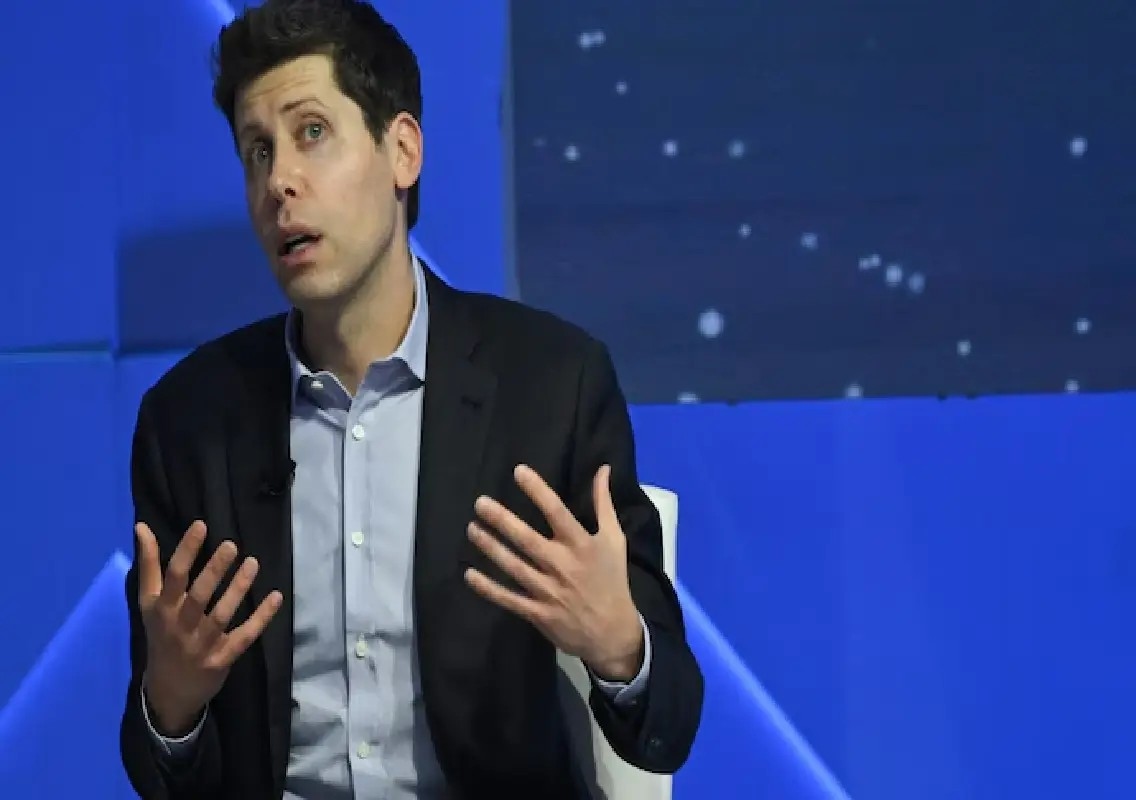


Sam Altman, chief executive of OpenAI, has issued a public apology after the company failed to alert law enforcement about online activity linked to a mass shooting that left eight people dead in Canada.
In a letter shared publicly, Altman acknowledged that the company should have taken additional steps after identifying concerning behaviour on a user account months before the attack.
“I am deeply sorry that we did not alert law enforcement,” he said, expressing condolences to the victims’ families and the wider community affected by the tragedy.
Deadly attack shocks community
The incident took place on February 10 in Tumbler Ridge, where 18-year-old Jesse Van Rootselaar carried out a series of shootings.
According to authorities, the suspect first killed her mother and younger stepbrother at home before opening fire at a local secondary school. The attack resulted in the deaths of five students and an educator, while 25 others sustained injuries.
The suspect later died by suicide, bringing the tragic sequence of events to an end.
Prior online activity flagged
OpenAI revealed that its internal monitoring systems had flagged the suspect’s account in June for potential involvement in violent activity. The account was subsequently banned for violating the platform’s usage policies.
However, the company decided not to escalate the matter to the Royal Canadian Mounted Police, concluding at the time that the activity did not meet the threshold for reporting to law enforcement.
This decision has since come under intense scrutiny in the aftermath of the attack.
Leadership acknowledges lapse
Altman admitted that the company’s response fell short and that earlier intervention might have been possible. He said he had spoken with local leaders, including Mayor Darryl Krakowka and British Columbia Premier David Eby, who conveyed the community’s grief and anger.
“While words can never be enough, an apology is necessary to recognise the irreversible loss,” Altman stated.
He also emphasised that the company is reviewing its internal protocols to ensure better handling of similar cases in the future.
Criticism over accountability
Despite the apology, Premier Eby described the response as “necessary, and yet grossly insufficient,” highlighting broader concerns about the responsibility of technology companies in identifying and reporting potential threats.
The case has intensified debate over how artificial intelligence platforms monitor harmful behaviour and when they should involve law enforcement agencies.
Calls for stronger safeguards
Experts and policymakers are increasingly calling for clearer guidelines on threat detection and reporting by technology firms. The incident has raised questions about the thresholds used by companies to determine when online activity warrants escalation.
Altman said OpenAI would work more closely with governments and authorities to improve safeguards and prevent similar tragedies in the future.
Conclusion
The apology from OpenAI’s leadership marks a significant moment in the ongoing discussion around the role of AI platforms in public safety. While the company has pledged reforms, the incident underscores the challenges of balancing privacy, monitoring and timely intervention in preventing real-world violence.