


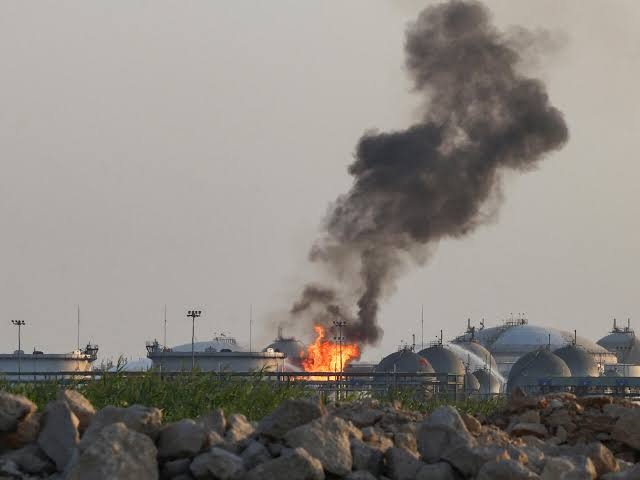


Saudi Arabia: Saudi Arabia has postponed its flagship Future Investment Initiative (FII) conference until 2027 as Yemen’s Iran-aligned Houthi rebels claimed fresh attacks on oil facilities, airports and other targets across the kingdom. The decision highlights growing security concerns in the Middle East and disruption to the Gulf’s business calendar.
The organisers confirmed the postponement on Monday, saying the 10th edition of the high-profile investment conference, informally known as “Davos in the Desert”, would no longer take place from October 26 to 29 as originally scheduled. A new date is expected to be announced soon.
The conference is a major platform for Saudi Arabia to attract international investors, business leaders and policymakers as it pursues economic diversification. Its postponement comes amid escalating regional tensions involving the United States, Israel and Iran, with security risks increasingly affecting business activities and international travel.
Houthis claim attacks on Aramco facilities and airports
The Houthis said they had carried out several attacks on targets in Saudi Arabia, including an Aramco facility in Yanbu, the Shaybah oilfield, King Khalid International Airport in Riyadh and Abha airport.
However, there was no immediate confirmation from Saudi authorities, and Reuters could not independently verify the Houthi claims. The reported targets span important parts of the kingdom’s energy infrastructure and aviation network, raising concerns about the potential impact of further attacks.
Saudi Arabia has faced mounting security challenges in recent weeks, with reported strikes targeting military installations, energy facilities and civilian infrastructure. The supplied report also cited attacks earlier in October that allegedly hit Aramco’s headquarters and Riyadh’s international airport, resulting in casualties and injuries.
The claims underline the vulnerability of strategic infrastructure during an expanding regional conflict. Oil facilities are particularly significant because disruptions to production, processing or transportation can affect energy markets, while attacks or threats involving airports can complicate travel and logistics.
Nevertheless, the latest Houthi claims remain unverified. The locations named by the group should not be treated as confirmed strike sites without independent evidence or an official assessment from Saudi Arabia.
Saudi Arabia postpones flagship investment summit until 2027
The FII conference has become one of Saudi Arabia’s prominent international business gatherings, bringing together senior executives, investors, government officials and policymakers. Its 10th edition was scheduled for October 26 to 29, but organisers have postponed it until 2027.
The event is closely associated with Saudi Arabia’s efforts to establish itself as a global investment destination. Through the conference, the kingdom promotes investment opportunities and presents its plans to reduce its dependence on oil revenues.
Saudi Arabia’s economic transformation agenda includes expanding tourism, sports, technology and other industries. Attracting foreign investment is central to these ambitions, making the annual conference an important venue for networking, announcing business initiatives and discussing investment opportunities.
This year’s expected speakers included Goldman Sachs chairman and chief executive David Solomon, Standard Chartered chief executive Bill Winters and Citi chief executive Jane Fraser, according to a draft programme cited in the report.
The postponement removes a major event from the kingdom’s October business calendar. However, organisers have not indicated that the conference has been cancelled permanently. Instead, they said the 10th edition would be held next year, with the revised date to be announced.
Organisers cite the need to deliver the full conference experience
In announcing the delay, FII organisers said the postponement was intended to ensure that the event could deliver “the full scale, extraordinary quality, and unforgettable impact” expected by its global community.
The statement did not, in the supplied account, provide a detailed breakdown of the security considerations behind the decision. The timing of the announcement, however, coincides with escalating regional tensions and the Houthis’ latest claims of attacks inside Saudi Arabia.
Reuters reported the previous week that organisers had considered a hybrid format that would allow executives to participate remotely. Such an arrangement could have enabled some participants to attend discussions without travelling to Riyadh.
The eventual decision to postpone the conference suggests that organisers opted to move the event rather than proceed with the original schedule. The available information does not establish that any single attack directly triggered the decision.
The conference’s scale makes the security environment particularly important. It attracts prominent business figures and policymakers from multiple countries, requiring arrangements for accommodation, transport, venue security and international travel.
Banks and private-equity firms reportedly raised security concerns
Security concerns among potential attendees also emerged in media reports ahead of the postponement.
Semafor reported on Monday that major banks and private-equity firms had privately conveyed concerns about attending the conference to Saudi Public Investment Fund Governor Yasir Al-Rumayyan. According to the report, chief executives also felt pressure to attend the four-day gathering.
The concerns reflect the challenges facing international business events during periods of heightened geopolitical uncertainty. Executives must consider not only the commercial value of attending but also the risks associated with travel, security arrangements and possible disruptions.
For Saudi Arabia, the FII conference is more than a conventional business meeting. It is also an opportunity to demonstrate the kingdom’s ability to convene global investors and sustain international interest in its economic plans.
A postponement therefore carries implications for the timing of investment discussions and networking opportunities, even if the event is expected to return in 2027.
Regional conflict disrupts the Gulf’s business calendar
The postponement comes amid wider disruption to business events across the Gulf. According to the supplied report, several conferences in the United Arab Emirates and Qatar were cancelled, postponed or restructured earlier in the year as regional countries faced attacks and security concerns.
The latest developments illustrate how conflict can affect sectors beyond the immediate areas of military activity. International conferences depend on reliable air travel, secure venues and the confidence of participants travelling from different parts of the world.
Energy infrastructure is another major concern. Saudi Arabia is a significant player in global oil markets, and threats to facilities or transport routes can raise questions about supply security. However, the effect of the latest claimed attacks on oil production or exports has not been independently established in the supplied information.
For international investors, the combination of security uncertainty and changes to major events can complicate travel plans and business scheduling. It can also affect opportunities for companies seeking to meet government officials, potential partners and financiers.
Implications for Saudi Arabia’s investment ambitions
The FII postponement is a setback to the kingdom’s immediate plans for its flagship investment gathering, although it does not by itself indicate a change in Saudi Arabia’s broader economic strategy.
Saudi Arabia has been working to attract foreign capital and develop industries beyond hydrocarbons. International participation in events such as FII can support those efforts by bringing investors and policymakers together to discuss projects, partnerships and financing.
The decision to move the conference to 2027 highlights the importance of security and regional stability to those ambitions. Organisers will need to communicate the revised schedule and provide clarity for participants who had planned to attend the October event.
For now, the Houthi claims remain unverified, and the full operational impact of the reported attacks is unclear. What is confirmed in the supplied report is the postponement of the FII conference and the organisers’ intention to hold its 10th edition next year.
The developments underline the growing intersection between regional security and international business. Saudi Arabia’s ability to maintain investor confidence will depend not only on its economic plans but also on the stability needed to host major international gatherings.