







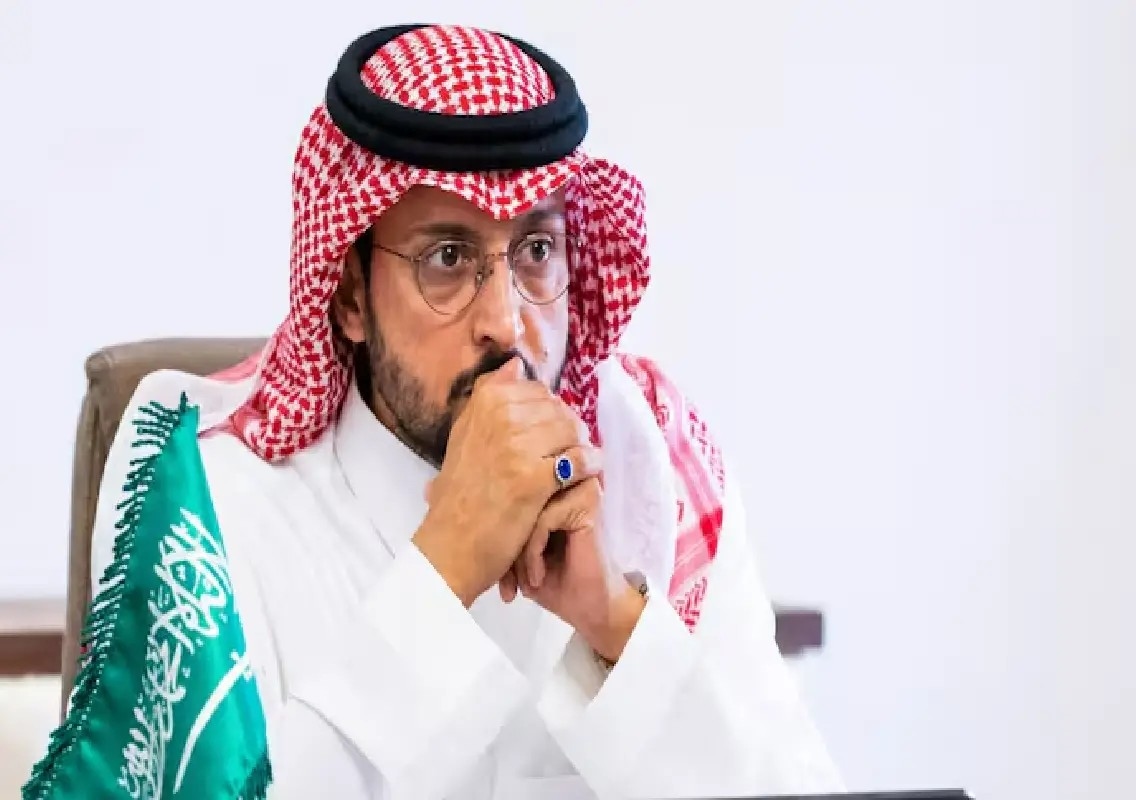


London: A UK coroner’s inquest has concluded that 29-year-old Saudi royal Prince Abdullah bin Fahad bin Abdullah bin Abdulaziz bin Jalawi Al Saud died after consuming a fatal combination of alcohol, party drugs and prescription medication while staying at a luxury hotel in London. The court ruled that the prince’s death was a case of “misadventure”, finding no evidence that he intended to take his own life.
The prince was found dead in his room at the Marriott Hotel in Kensington on November 25 after suffering a cardiac arrest caused by the combined effects of multiple substances, according to evidence presented before the Inner West London Coroner’s Court.
Prince found unresponsive in hotel room
According to the inquest, Prince Abdullah checked into the luxury hotel on November 19 for what was expected to be a week-long stay.
CCTV footage showed him leaving the hotel briefly for a cigarette on the evening before his death. The following day, a hotel cleaner entered his fifth-floor room and discovered him lying fully clothed on the bathroom floor.
Hotel staff immediately contacted emergency services, but paramedics were unable to revive him. He was pronounced dead at the scene.
Toxicology revealed multiple substances
Evidence presented during the hearing showed that toxicology tests detected a high concentration of alcohol in the prince’s blood, measuring 222 mg per 100 ml—almost three times England’s legal drink-driving limit.
Medical experts told the court that the alcohol level alone could have been sufficient to induce a coma.
Investigators also found potentially fatal levels of gamma-hydroxybutyrate (GHB), commonly referred to as a party drug. In addition, toxicology reports detected cannabis and therapeutic levels of prescription medications, including Xanax and other anti-anxiety drugs.
Experts concluded that the combination of alcohol, GHB and prescription medicines caused cardiac arrest, leading to the prince’s death.
History of addiction treatment
The court heard that Prince Abdullah had previously sought medical treatment for alcohol misuse and dependence on prescription medication.
In August 2025, he was admitted to the Priory Clinic in Roehampton, where he underwent a detoxification programme for alcohol, benzodiazepines and pregabalin.
Consultant psychiatrist Dr Victoria Chamorro told the court that the prince responded positively to treatment. Although he experienced anxiety and a low mood when admitted, he successfully completed the detoxification programme without physical complications.
Following his discharge, he reportedly missed some scheduled follow-up appointments but was not considered to be at risk of self-harm.
The inquest also heard that he later received treatment at Rainford Hall Clinic in Merseyside before leaving the facility in October after recovering from an upper respiratory infection.
Coroner rules death was misadventure
Assistant Coroner Jean Harkin concluded that there was no evidence to suggest Prince Abdullah intended to end his life.
The court noted that investigators found no suicide note, no indication that he had expressed suicidal thoughts and no evidence of third-party involvement. CCTV footage also confirmed that he was alone during the final hours before his death.
Based on the medical evidence, the coroner recorded a verdict of death by misadventure, stating that the cause of death was multi-drug ingestion.
The Saudi Royal Court later confirmed the prince’s death in an official statement and announced that funeral prayers would be held at the VIP Imam Turki bin Abdullah Mosque in Riyadh.
Conclusion
The inquest concluded that Prince Abdullah’s death resulted from the accidental ingestion of a fatal combination of alcohol, GHB and prescription medication. The coroner ruled out suicide or foul play, describing the incident as a death by misadventure based on the evidence presented before the court.