







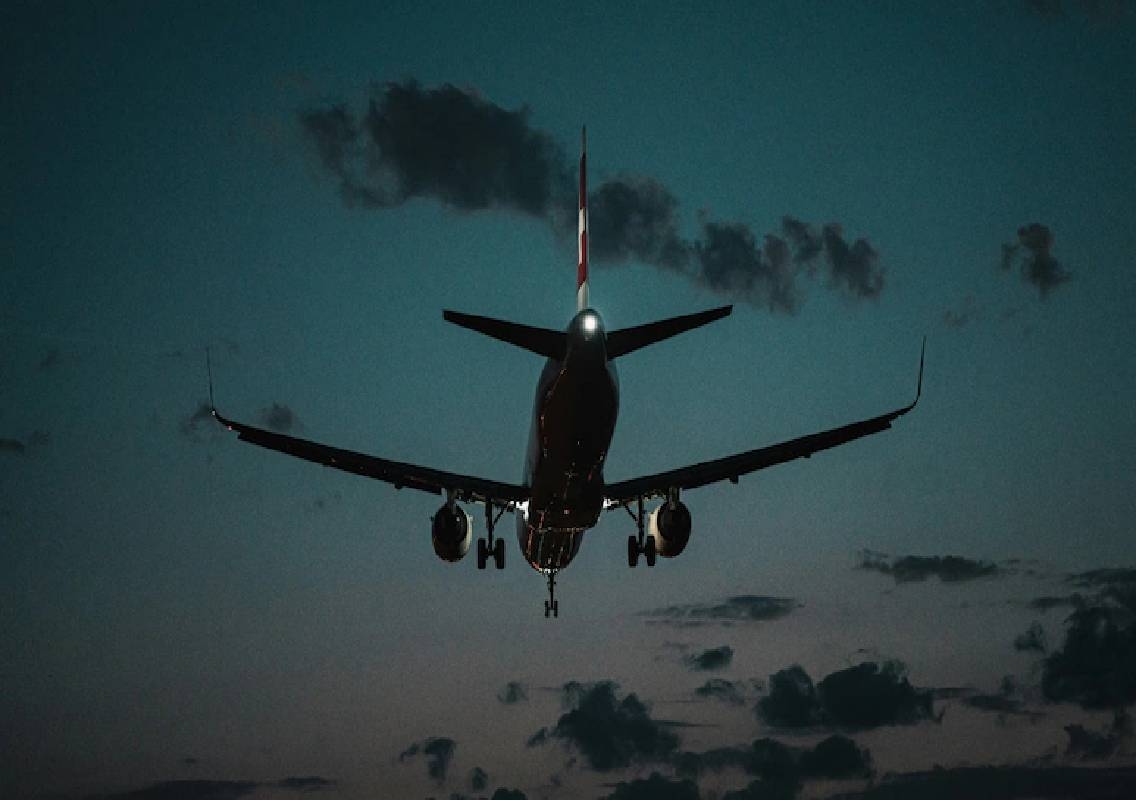


Shanghai: More than 1,300 flights have been cancelled at Shanghai’s two major airports as China prepares for Typhoon Dolphin, which is moving towards the country’s eastern coast after bringing heavy rain to northern Taiwan. Authorities have stepped up emergency measures, including evacuations, port closures and travel restrictions, as the powerful storm threatens to bring torrential rain, strong winds, flooding and landslides.
The storm had maximum sustained winds of around 162 kmph on Sunday morning, according to reports, with its approach prompting widespread disruption across eastern China. Shanghai’s Hongqiao and Pudong airports have been among the major transport hubs affected, while authorities in Shanghai and surrounding regions have begun relocating people from areas considered vulnerable to the storm.
The preparations come after Typhoon Dolphin passed through parts of Japan and affected northern Taiwan. Its outer bands brought heavy rainfall to Taipei and other areas before the system moved towards mainland China. Taiwanese airlines also cancelled some services to China amid the worsening weather conditions.
More than 1,300 flights cancelled in Shanghai
The cancellation of more than 1,300 flights at Shanghai’s two airports represents one of the most visible effects of Typhoon Dolphin as China prepares for its arrival.
Shanghai Pudong International Airport and Shanghai Hongqiao International Airport handle a large volume of domestic and international passenger traffic. The disruption is therefore expected to affect thousands of travellers, with further cancellations and delays possible depending on the storm’s track and intensity.
Reports said around 60% of flights at the two Shanghai airports had been cancelled as the authorities prepared for the typhoon. Airlines have also been making adjustments to services in other parts of eastern China as the storm approaches.
The flight disruptions come as authorities prioritise passenger safety ahead of the expected worsening weather. Strong winds can create dangerous conditions for aircraft operations, while heavy rain can affect airport ground operations, visibility and access to terminals.
Travellers in Shanghai and other parts of eastern China have consequently been advised to check with airlines for updated schedules before heading to airports.
Typhoon Dolphin approaches China’s east coast
Typhoon Dolphin is expected to make landfall along China’s eastern coast, with Zhejiang and parts of Fujian among the areas facing the threat of strong winds and heavy rainfall. Shanghai and several other provinces are also expected to experience significant rain as the storm moves inland.
The storm had already affected northern Taiwan, where its outer bands produced heavy rain, including in Taipei. The system previously moved across areas around Japan’s Okinawa region, where it caused injuries and power disruptions before continuing towards China.
Forecasters are particularly concerned about the amount of rainfall that could accompany the typhoon. Some parts of Zhejiang are expected to receive 250–500 mm of rain, increasing the risk of flooding and landslides, particularly in mountainous areas. Heavy rain is expected to continue across parts of eastern China through August 10.
The slow movement of the storm could further increase the duration of rainfall in affected areas, potentially worsening flooding risks.
Hundreds of thousands moved to safer areas
China has launched extensive precautionary measures as Typhoon Dolphin approaches.
Authorities have relocated hundreds of thousands of people from areas considered vulnerable to the storm. According to the Associated Press, more than 390,000 people were evacuated in Taizhou, while more than 30,000 people were relocated in Shanghai. Reports have also indicated that around 300,000 people had been moved from surrounding regions as part of the preparations.
Evacuations are particularly important in coastal and low-lying areas where storm surges, flooding and strong winds can pose significant risks.
Officials have also been checking vulnerable infrastructure and securing facilities that could be damaged by high winds. The preparations are intended to reduce the risk to residents before the storm reaches the mainland.
China has activated emergency responses in several affected provinces. The national authorities have also issued warnings about possible flooding and geological disasters, including landslides.
Ports and water transport suspended
Typhoon Dolphin is also disrupting maritime activity along China’s eastern coast.
Shanghai’s Yangshan port, one of the world’s major container shipping hubs, has been cleared of vessels ahead of the storm. Water-based transport activities, including ferries and cruises, have also been suspended in affected areas.
The suspension of port operations is another significant consequence because Shanghai plays a crucial role in China’s international trade and supply chains.
Strong winds and high waves can make loading, unloading and vessel movements dangerous. Clearing vessels and restricting maritime traffic allows authorities to reduce the possibility of accidents while giving port operators time to secure equipment and infrastructure.
Other ports and coastal facilities in the projected path of the typhoon have also been placed under heightened monitoring.
Heavy rain raises flooding and landslide concerns
While strong winds are an immediate threat from Typhoon Dolphin, heavy rainfall could prove equally disruptive.
Forecasts indicate that parts of Zhejiang could receive several hundred millimetres of rain. Such rainfall can overwhelm drainage systems, cause rivers to rise rapidly and trigger flash flooding in vulnerable areas.
Mountainous parts of Zhejiang face an additional risk from landslides because saturated soil can become unstable after prolonged and intense rainfall. Authorities have therefore warned residents in vulnerable locations and prepared emergency response teams.
The Chinese government has also warned of possible major flooding in several river systems. Emergency agencies have been instructed to monitor water levels and respond to areas where conditions deteriorate.
The impact could extend beyond the immediate coastal areas because Typhoon Dolphin is expected to continue producing heavy rain as it moves inland and weakens.
Taiwan and Japan also affected
China is not the only country affected by Typhoon Dolphin.
Before approaching mainland China, the storm moved through the western Pacific and affected Japan’s Okinawa region. Five elderly people suffered non-life-threatening injuries in Okinawa, while the storm also caused power outages affecting tens of thousands of buildings, according to reports.
Northern Taiwan was subsequently hit by the storm’s outer bands. Taipei experienced heavy rainfall, while some airlines cancelled flights between Taiwan and China because of the deteriorating weather.
The storm’s movement across several countries and territories has created a wider travel disruption across East Asia.
Emergency response intensified across eastern China
China has raised emergency preparedness levels as Typhoon Dolphin approaches. Several provinces have activated emergency responses, with officials focusing on evacuations, flood prevention, infrastructure inspections and the protection of coastal communities.
The measures are designed to minimise casualties and damage as the storm reaches the mainland.
Authorities have also urged residents in affected areas to follow official instructions and avoid unnecessary travel during the worst weather. With strong winds and heavy rain expected, outdoor activities and transport services could face further restrictions.
Shanghai, in particular, is closely monitoring the situation because of its large population, extensive transport network and importance as a global commercial centre.
Travel disruption could continue
The cancellation of more than 1,300 flights is unlikely to be the only disruption caused by Typhoon Dolphin.
Depending on the storm’s final path, further flight cancellations could occur across eastern China. Rail services, ferries, road transport and port operations could also be affected by flooding and high winds.
Travellers planning to fly through Shanghai or other cities in eastern China are likely to face delays or cancellations as airlines respond to changing weather conditions. Passengers are expected to receive updated information directly from airlines and airports as operations are adjusted.
The situation could remain fluid until the typhoon passes the most affected areas and weather conditions begin to improve.
China braces for Typhoon Dolphin’s landfall
Typhoon Dolphin has prompted a major emergency response across eastern China, with Shanghai cancelling more than 1,300 flights as authorities prepare for the storm’s arrival.
The combination of 162 kmph winds, heavy rainfall, coastal flooding and landslide risks has led authorities to evacuate vulnerable residents, suspend maritime activities and secure critical infrastructure.
For Shanghai, the immediate priority is protecting residents and maintaining essential services as the typhoon approaches. The widespread flight cancellations underline the seriousness of the threat, while the evacuation of hundreds of thousands of people demonstrates the scale of preparations across the region.
With Typhoon Dolphin expected to bring heavy rain to eastern China through August 10, authorities remain on high alert for flooding, landslides and further transport disruption.