







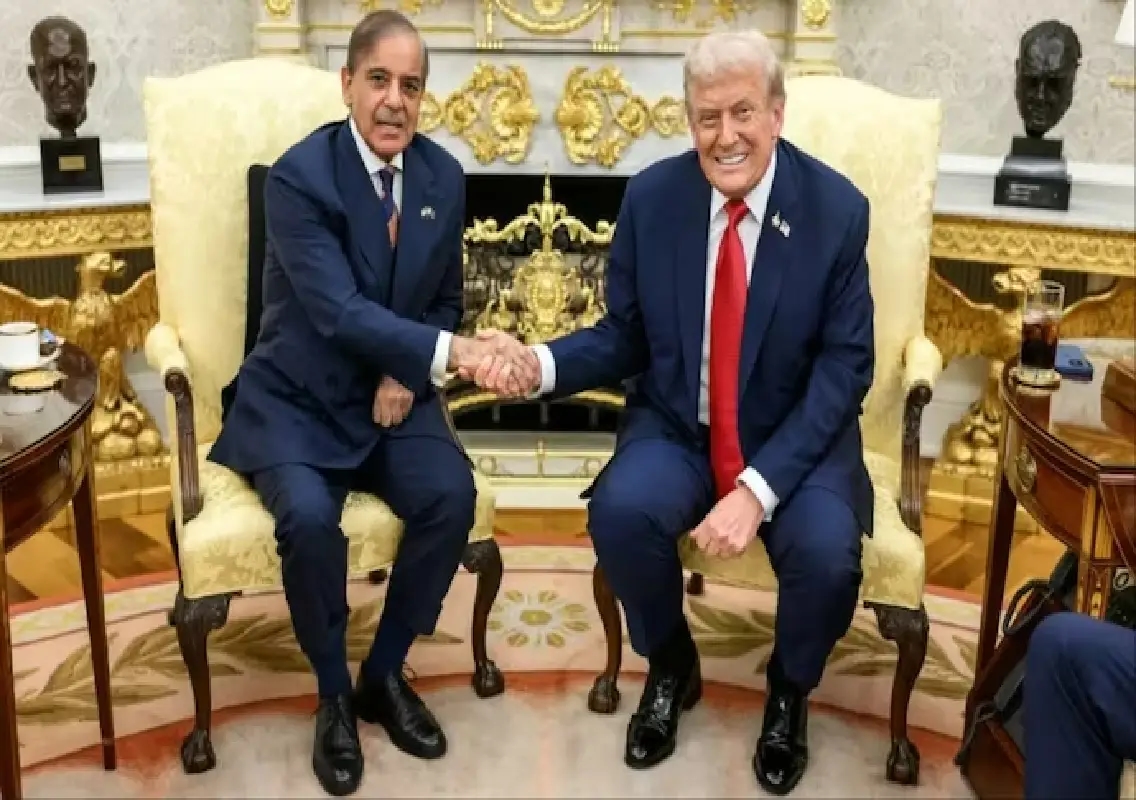


Pakistan Prime Minister Shehbaz Sharif’s public appeal to US President Donald Trump to extend a deadline on Iran and allow a diplomatic pause was reportedly pre-coordinated with the White House, according to a report by The New York Times.
The development suggests that behind-the-scenes diplomatic engagement was already underway before the message was made public.
Message reportedly approved in advance
According to the report, Sharif’s statement calling for a pause in hostilities and renewed diplomatic efforts was not a spontaneous move. Instead, it had been reviewed and approved by the White House prior to being posted.
Sources familiar with the communication indicated that the coordination reflected ongoing diplomatic efforts between the United States and Pakistan regarding tensions involving Iran.
The White House, however, dismissed speculation that President Trump personally drafted the message.
Appeal for ceasefire and diplomacy
Sharif had urged a temporary halt in hostilities, advocating for a two-week pause to allow diplomacy to progress. He also called on Iran to reopen the strategically important Strait of Hormuz during the same period as a goodwill gesture.
In his statement, the Pakistani Prime Minister emphasised that diplomatic efforts were “progressing steadily, strongly and powerfully,” and expressed hope that a pause would help achieve a “conclusive termination of war.”
Shortly after, Trump announced a two-week ceasefire window, aligning with the broader call for de-escalation.
Draft message sparks online debate
The episode has triggered debate on social media after screenshots surfaced showing what appeared to be an earlier version of the message labelled “Draft – Pakistan’s PM Message on X.”
The draft reportedly included references to continued diplomatic efforts and a pause in measures linked to the Iran situation, leading to speculation about whether the message had been prepared in advance.
Observers have questioned whether Pakistan’s diplomatic messaging in this instance was independently shaped or influenced by external actors.
Broader geopolitical implications
The reported coordination highlights the complex nature of international diplomacy amid rising tensions in the Middle East. The Strait of Hormuz, a critical global oil transit route, remains central to geopolitical stability in the region.
Any disruption in the area can have far-reaching economic and strategic consequences, making diplomatic engagement crucial.
Conclusion
While official responses have downplayed the extent of coordination, the revelations point to active behind-the-scenes diplomacy involving key global players. The incident underscores how public statements by world leaders may sometimes reflect carefully negotiated positions rather than spontaneous political messaging.