


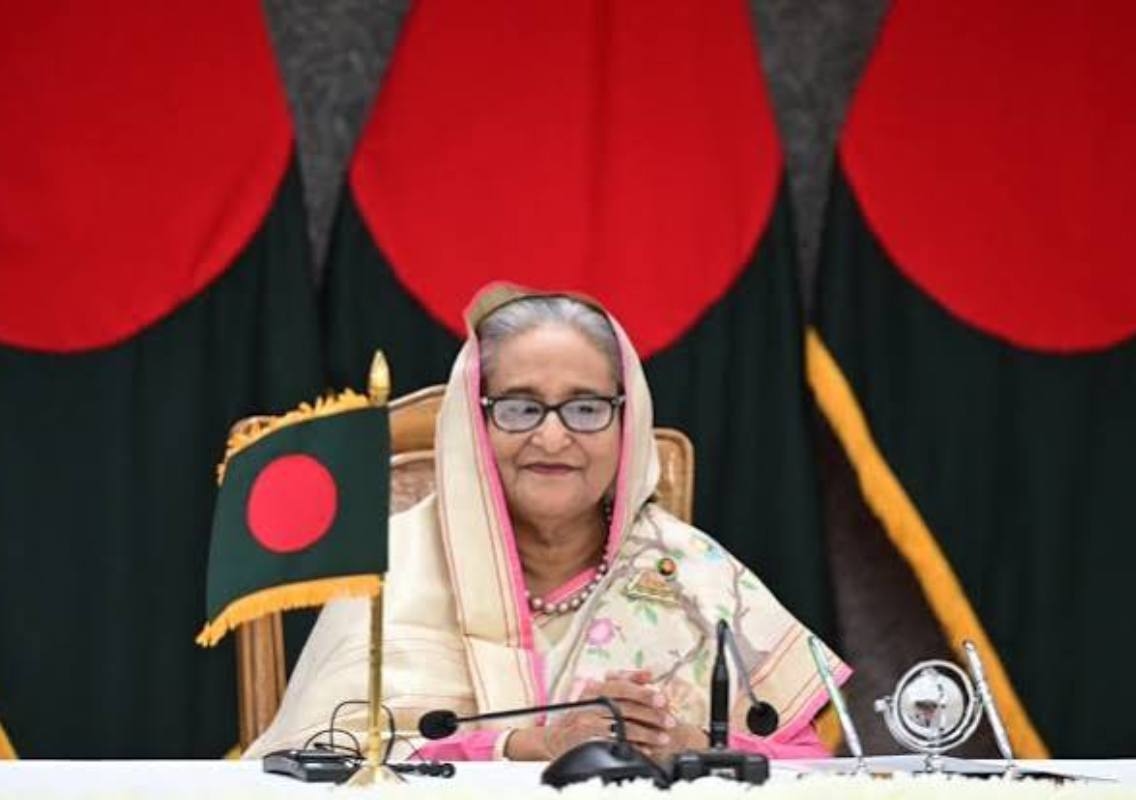


New Delhi: Former Bangladesh Prime Minister Sheikh Hasina has taken a significant step towards her proposed return to Bangladesh by seeking a fresh passport and national identity card from the country’s embassy in New Delhi. The move comes as Dhaka continues to demand her extradition from India under the existing bilateral treaty, rejecting the need to issue her new travel documents.
Hasina’s lawyers have written to Bangladesh’s embassy in Delhi requesting the issuance of a new passport and National Identity Card (NID). The letter marks her first reported formal communication with the diplomatic mission since she fled Bangladesh in August 2024 following a student-led uprising that brought her more than two decades in power to an end.
The development comes amid competing positions on how Hasina should return. While her legal team has sought fresh documents on the basis of her Bangladeshi nationality, the government in Dhaka has maintained that she must be handed over through the extradition process.
Bangladesh’s State Minister for Foreign Affairs Humaiun Kobir has reiterated that his government wants Hasina returned under the India-Bangladesh extradition arrangement. His remarks underline the continuing diplomatic disagreement over the next steps in the case.
Hasina’s lawyers seek new passport and identity card
The application was reportedly sent by Hasina’s lawyers from London-based Matrix Chambers to Preeti Rahman, the acting high commissioner at Bangladesh’s embassy in New Delhi.
In the letter, the legal team referred to reports that the interim government and other Bangladeshi authorities had revoked Hasina’s existing passport and National Identity Card. It requested the embassy to take the necessary steps to issue fresh documents.
The lawyers argued that Hasina remains a Bangladeshi national and cited the country’s obligations under international human rights instruments. They also requested that the applications be processed expeditiously.
The request is significant because the former prime minister has been living in India since leaving Bangladesh in August 2024. Fresh travel and identity documents could become relevant to any arrangements concerning her proposed return, although the application does not itself establish that the Bangladeshi authorities will approve it.
Hasina has previously indicated that she intends to return to Bangladesh in December. She has said that she is prepared to surrender before a court after returning. Her aides have indicated that a specific date would be announced once the necessary formalities are completed.
The passport request therefore represents a new development in her stated plan, even as the legal and diplomatic circumstances surrounding her return remain unresolved.
Why does Sheikh Hasina want to return to Bangladesh?
Hasina left Bangladesh in August 2024 after weeks of student-led protests escalated into a nationwide uprising against her government. The demonstrations, initially driven by student grievances, developed into a broader movement demanding political change and accountability.
The unrest eventually ended Hasina’s long tenure as prime minister. She subsequently took refuge in India, where she has remained while facing legal proceedings in Bangladesh.
Her proposed return comes against the backdrop of serious criminal charges. In November 2025, Bangladesh’s International Crimes Tribunal sentenced her to death in absentia for crimes against humanity over the deadly crackdown on protesters during the uprising.
The proceedings and verdict have become central to the political dispute surrounding her future. Hasina has denied the allegations while living in exile. Despite the sentence, she has said that she intends to return and surrender before a court.
Her stated willingness to face judicial proceedings is an important part of her explanation for wanting to go back. However, her return would take place in a highly contentious political and legal environment, with questions over her security, the judicial process and the status of her party likely to remain prominent.
The Awami League, which was Bangladesh’s largest political party during Hasina’s tenure, has also been banned following her removal from office. Several of its leaders and supporters have been arrested, while others have left the country, including for India.
These developments have made the former prime minister’s political future uncertain. A return could bring renewed attention to the cases against her and the wider political questions arising from the 2024 uprising.
Bangladesh insists on extradition instead of issuing a passport
Dhaka has made it clear that it wants Hasina returned through the formal extradition process rather than by issuing her a new passport.
State Minister for Foreign Affairs Humaiun Kobir said Bangladesh expected India to hand her over under the bilateral extradition treaty. According to Bangladeshi newspaper The Daily Star, he described Hasina as a fugitive and a terrorist and said there was an active extradition arrangement between the two countries.
Kobir also questioned why Bangladesh should issue a passport to someone whom its authorities are seeking to bring back through legal channels.
He argued that a passport was not necessary for the handover of a person wanted by the authorities, adding that a judicial process was already in place. His remarks reflected Dhaka’s position that the matter should be handled as an extradition case rather than a routine application for travel documents.
Bangladesh has repeatedly pursued Hasina’s return since she arrived in India. New Delhi has previously said that it is examining Dhaka’s extradition request.
The latest passport application creates a further point of disagreement between the two sides. Hasina’s lawyers are seeking documents through the Bangladeshi diplomatic mission, while Dhaka is insisting that her return should be facilitated through the existing legal framework.
Whether the embassy will act on the request, and how the Bangladeshi government will respond, remain unclear.
India-Bangladesh relations face another diplomatic test
Hasina’s continued presence in India has been a sensitive issue in relations between New Delhi and Dhaka since the fall of her government in 2024.
India’s decision to provide refuge to the former prime minister has drawn repeated attention from Bangladesh’s new political leadership. Dhaka’s extradition demands have added to the diplomatic challenges facing the two neighbouring countries.
The issue is particularly sensitive because it involves questions of national sovereignty, bilateral treaty obligations and the legal status of a former head of government. Both countries must also consider the wider consequences of how the matter is handled.
For India, the extradition request requires consideration within the framework of the bilateral agreement and applicable legal procedures. For Bangladesh, securing Hasina’s return is linked to its demand for accountability over the crackdown on protesters.
A possible return could also have significant domestic political implications. Hasina continues to have supporters in Bangladesh, while opponents of her government are demanding that those responsible for the violence during the uprising face justice. Her presence in the country could intensify political divisions and bring the cases against her back into the national spotlight.
At the same time, a resolution of the extradition dispute could influence the broader relationship between New Delhi and Dhaka. The issue has remained a source of friction, and its handling could affect diplomatic engagement between the neighbours.
Passport request adds uncertainty to Hasina’s December plan
Hasina’s reported application for a fresh passport and National Identity Card marks a notable development in her stated intention to return to Bangladesh in December. It is the first reported formal communication of this kind with the country’s embassy in Delhi since her departure in 2024.
However, the request does not mean that her return has been approved or that a date has been finalised. Dhaka continues to insist on extradition, while the Indian government has previously said it is examining Bangladesh’s request.
The next steps will depend on how the embassy and the relevant authorities respond to the application, as well as the progress of the diplomatic and legal process between the two countries.
For now, Hasina’s attempt to secure fresh documents has brought her proposed return back into focus. With a death sentence in absentia, an extradition request and a politically divided Bangladesh shaping the circumstances, her December plan remains subject to significant legal and diplomatic hurdles.