









From convenience to wellbeing
Smart homes are entering a new phase. After years of app-controlled gadgets and novelty features, 2026 is shaping up to be about how technology supports comfort, health and everyday ease, rather than just automation.
Designers say the next wave of smart appliances will focus on reducing mental load, improving sleep and air quality, and helping households function more intuitively.
“2026 will be about devices that support how people feel and function in their homes, not just add convenience,” says Catherine Shuman, founder of The Intentional Design Studio.
Lighting that follows the body clock
One of the biggest shifts is expected in smart lighting. Designers are moving away from basic phone-controlled bulbs toward circadian lighting systems that adjust automatically through the day.
“These systems mimic natural daylight rhythms,” Shuman explains. “Better lighting supports sleep, stabilises mood and helps regulate the nervous system.”
Warm tones in the evening and cooler light during the day are expected to become standard in bedrooms, living spaces and even home offices.
Smarter kitchens, less stress
The kitchen is another area seeing meaningful innovation. Smart ovens that can be preheated remotely, dishwashers that operate during optimal energy-use hours, and intelligent faucets that dispense precise amounts of water are gaining popularity.
“These features genuinely save time, reduce stress and encourage healthier routines,” Shuman says, especially for working parents and busy professionals.
Clean air as a priority
Indoor air quality is emerging as a major concern, particularly in urban homes. Designers expect smart air quality monitoring systems to see rapid adoption in 2026.
These systems track carbon dioxide levels, volatile organic compounds (VOCs), humidity and allergens, automatically activating purifiers or ventilation when needed. “Healthy air is foundational to a healthy home,” Shuman adds, noting that awareness around indoor pollution is rising.
Refrigerators that think ahead
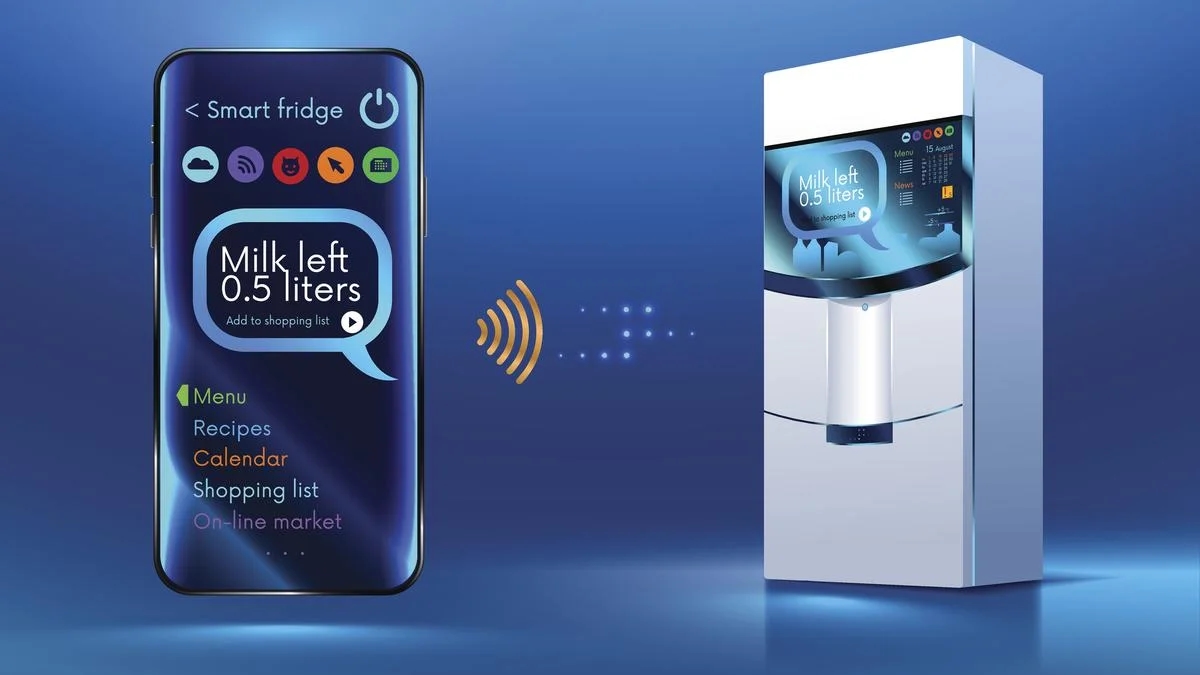
According to Ilene Chase, owner of Ilene Chase Design LLC, smart refrigerators will become more useful rather than flashy.
“With inventory management, you can see what’s inside your fridge remotely, what’s expiring, and what needs to be used first,” she says. This reduces food waste, avoids last-minute grocery surprises and supports healthier eating habits.
A quieter kind of innovation
Rather than overwhelming users with apps and alerts, designers say the smartest homes of 2026 will be subtle, responsive and quietly supportive—technology that fades into the background while improving daily life.