







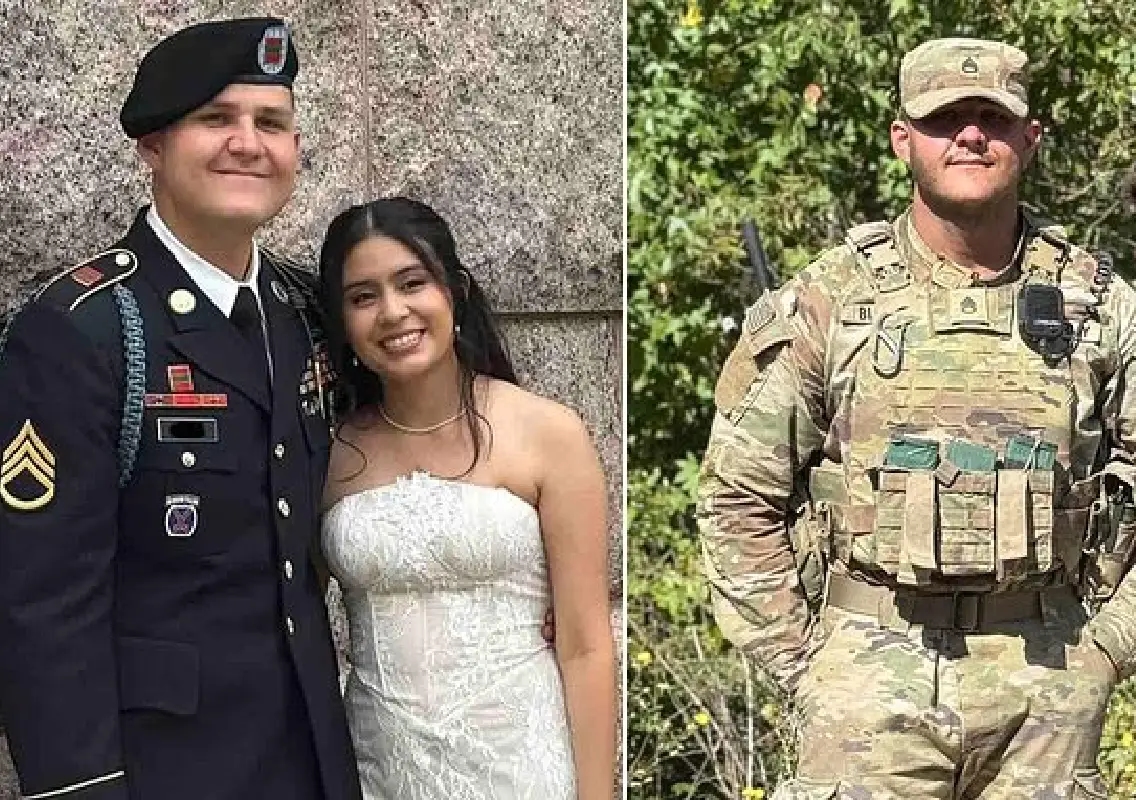


In a controversial incident, agents from Immigration and Customs Enforcement (ICE) detained the wife of a US Army staff sergeant at a military base in Louisiana, sparking debate over immigration enforcement policies.
Detention at military base
Annie Ramos, 22, was taken into custody at Fort Polk while accompanying her husband, Matthew Blank, a serving soldier preparing for deployment. The couple had recently married and were in the process of arranging her legal residency.
According to reports, Ramos was detained after officials discovered she did not have a valid visa or green card at the time of entry to the base.
Legal status under scrutiny
Ramos, originally from Honduras, had reportedly been under a deportation order issued in 2005 when she was an infant. She later applied for Deferred Action for Childhood Arrivals (DACA), but her application was not processed.
The couple had already engaged legal assistance and were preparing to regularise her immigration status through marriage.
Family alleges lack of consideration
Family members said they had presented all relevant documents, including her passport and marriage certificate, when visiting the base. However, authorities contacted ICE, leading to her detention.
Ramos was handcuffed and taken to a detention facility in Louisiana, where she remains.
Broader concerns over immigration policy
The case has raised concerns about the impact of immigration enforcement on military families. Critics argue that such actions contradict assurances that deportation efforts would prioritise individuals with criminal backgrounds.
Ramos has no reported criminal history and has lived in the United States since childhood.
Emotional toll on family
Speaking about the incident, her husband said the couple had been following legal procedures to secure her residency. The sudden detention has disrupted their plans, especially as he prepares for deployment.
Ramos expressed distress, stating that the US is the only home she has known.
Ongoing questions
The incident has intensified discussions around immigration enforcement, humanitarian considerations and the treatment of individuals with longstanding ties to the country.
Authorities have not yet issued a detailed public response on the matter