







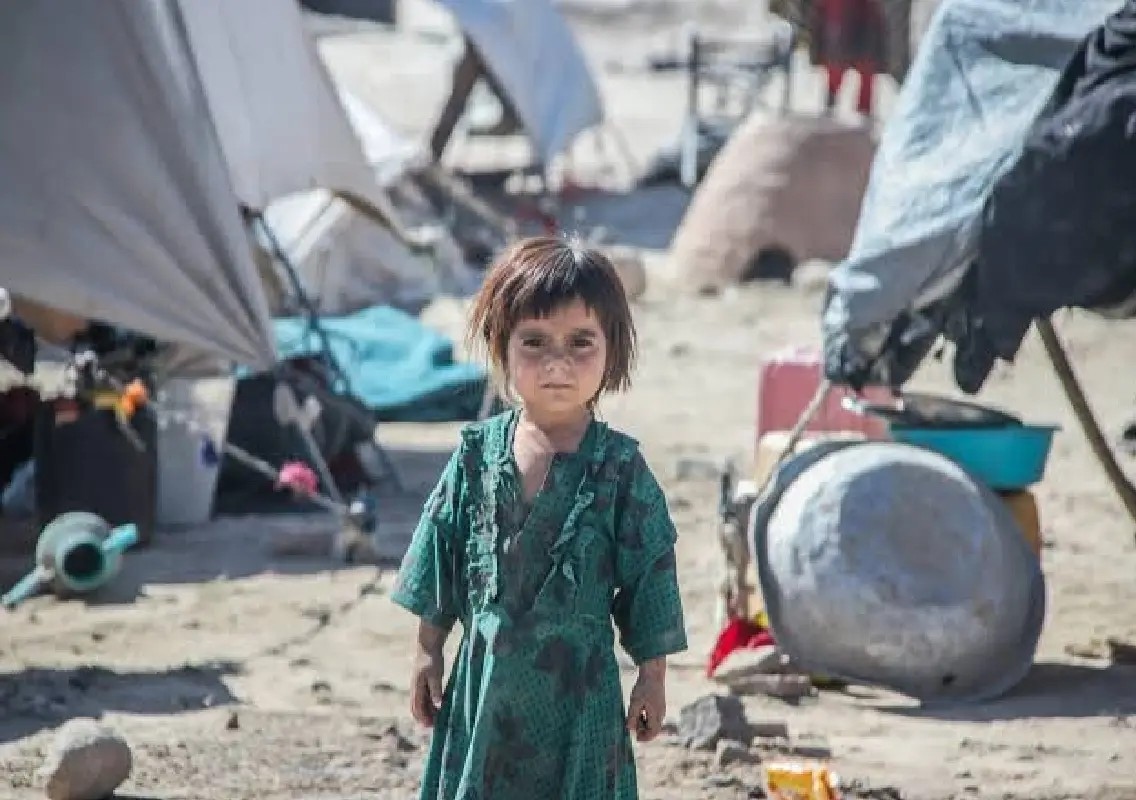


Taliban policies are depriving Afghan children and young people of fundamental rights and narrowing their prospects for the future, United Nations Special Rapporteur Richard Bennett has warned. His latest report says restrictive policies are affecting education, freedom of expression and children’s participation in social and public life.
Girls continue to lose access to education
Bennett expressed particular concern over the continued denial of education beyond the sixth grade for girls. Five years after the Taliban returned to power, a generation of Afghan girls is growing up without access to secondary education. UNESCO estimates that about 2.4 million girls remain excluded from secondary education in 2026.
The UN expert warned that the restrictions are not only affecting children’s lives today but are also reducing their ability to shape their own futures and contribute to Afghanistan’s development.
Children face wider risks
The report also highlights concerns over child and forced marriage, child labour, gender-based violence, indoctrination and the weakening of child-protection systems.
Children living in poverty, remote communities and marginalised groups, as well as those with disabilities or affected by displacement, are among those facing particular risks, according to Bennett.
Restrictions on media, culture and freedom of expression are also limiting the range of ideas and experiences available to young Afghans.
UN expert calls for urgent action
Bennett urged the Taliban to restore full access to comprehensive education for girls, strengthen child-protection and justice systems, prevent child marriage and labour, and expand healthcare and social protection for children with disabilities.
He also called on the international community to support humanitarian assistance and alternative education pathways while strengthening accountability mechanisms.
Despite the severe restrictions, Bennett said Afghan children continue to demonstrate resilience and determination. He stressed that investing in their education, opportunities and voices is essential to building a more peaceful and inclusive Afghanistan.