







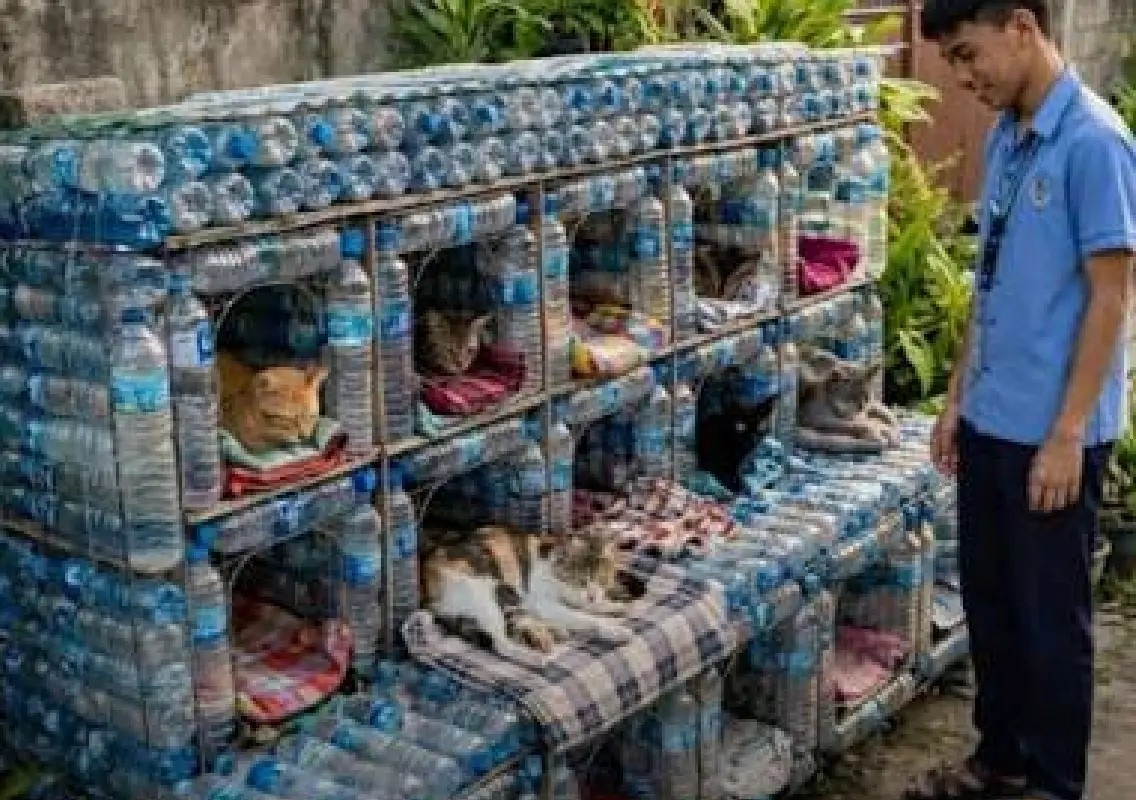


Kanab : A remarkable chapter in the history of animal welfare in the United States began with an unlikely figure — a 14-year-old boy who helped build an animal sanctuary from a patch of bare desert.
The story of Best Friends Animal Society is closely connected with the efforts of a small group of animal lovers who sought to create a different approach to caring for abandoned and homeless animals. What began as a modest sanctuary eventually developed into one of America’s most influential animal welfare organisations.
The organisation’s work helped promote the no-kill movement, challenging the idea that healthy and treatable animals in shelters should routinely be euthanised.
From desert land to animal sanctuary
The organisation’s origins can be traced to a group of people who came together with a shared commitment to animals. Their efforts eventually led to the creation of an animal sanctuary in southern Utah.
The young teenager who became part of this journey helped with the early development of the sanctuary, contributing to an effort that initially had limited resources but a strong commitment to animal welfare.
The setting was remote and difficult, but the founders gradually transformed the land into a place where animals could be rescued, cared for and given another opportunity to find permanent homes.
Challenging traditional shelter practices
A central principle of the organisation was that animals entering shelters should have a genuine opportunity to survive and find homes.
The no-kill philosophy sought to reduce unnecessary euthanasia by increasing adoption, rescue partnerships, foster care and other forms of animal support.
This approach eventually influenced discussions about animal sheltering across the United States. Shelters and rescue groups increasingly explored ways to save more animals through community partnerships and improved adoption programmes.
A movement grows across America
Best Friends Animal Society expanded its work beyond its original sanctuary. It developed programmes focused on adoption, community support, animal rescue and collaboration with shelters.
The organisation also became associated with campaigns encouraging communities to work towards no-kill goals.
Its broader influence came from demonstrating that animal welfare could involve not only operating a shelter but also building networks among shelters, volunteers, foster carers, rescue organisations and members of the public.
Changing the way communities view homeless animals
The no-kill movement helped change public conversations about homeless animals. Instead of viewing overcrowded shelters only as places where animals were housed temporarily, advocates promoted approaches focused on prevention, adoption and keeping animals alive while suitable homes were found.
The movement also encouraged people to consider fostering and adoption as practical ways of helping reduce pressure on shelters.
Such changes have influenced animal welfare organisations throughout the country.
A legacy built around compassion
The story of the organisation demonstrates how a relatively small and unconventional beginning can develop into a much wider social movement.
The teenager who helped build the early sanctuary was part of a group that believed animals deserved greater protection and better opportunities. Over time, that belief helped shape an organisation whose work reached far beyond the original desert property.
The history of Best Friends Animal Society also illustrates the role of persistence in animal welfare. Changing shelter practices requires long-term community involvement, funding, volunteers and public support.
Today, the no-kill philosophy remains an important part of the American animal welfare conversation. While debates continue about how best to address shelter overcrowding and animal welfare, the movement has helped place adoption, rescue and humane treatment at the centre of the discussion.
What began with a small group working on remote desert land ultimately became part of a much larger transformation in how America approaches homeless animals — showing how compassion, determination and community action can create lasting change.