







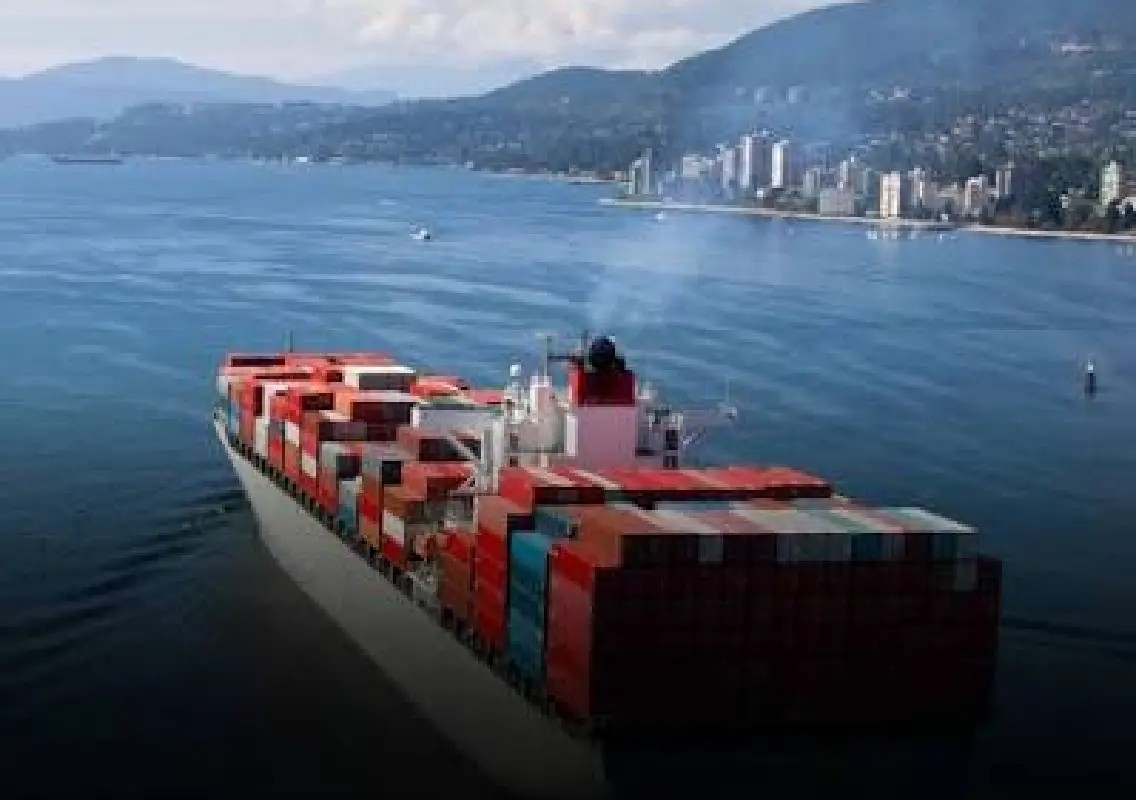


Istanbul : Ten crew members are feared dead after a Turkish cargo ship sank in the Marmara Sea off Istanbul following a collision with a tanker early Wednesday, September 2. Search-and-rescue teams were deployed immediately, but authorities said there were no immediate signs of survivors.
The 90-metre Tugberk Imamoglu sank after colliding with the Turkish-flagged tanker Alsu at around 3 am, according to Turkish maritime authorities. All 10 people aboard the cargo ship, including its captain, were Turkish nationals.
The vessel sank remarkably quickly, with Transport Minister Abdulkadir Uraloglu saying it went down in approximately 11 minutes. A lifeboat and other lifesaving equipment belonging to the cargo ship were found in the sea, but the crew members were not inside.
Cargo ship disappears beneath the Marmara Sea
The collision occurred about 32 kilometres south of Silivri, a western district of Istanbul province. The Tugberk Imamoglu was carrying rolled steel and was travelling from Iskenderun on Türkiye’s Mediterranean coast towards Eregli on the Black Sea.
The emergency signal from the cargo ship was received at approximately 3:26 am. The first rescue vessel reached the area at around 4:10 am.
Authorities said the cargo ship was believed to have sunk because it stopped responding to calls and the mobile phones of its crew members went unanswered.
The vessel ultimately sank in waters approximately 900 metres deep, creating a difficult environment for the rescue operation.
Search operation launched for missing crew
Turkish authorities launched an extensive search operation following the sinking.
Two helicopters and multiple search-and-rescue vessels were deployed to the area. The tanker involved in the collision also remained at the scene and assisted with the search.
Despite finding the lifeboat and other equipment, rescuers initially found no trace of the 10 crew members.
Officials continued efforts to locate the missing sailors, while authorities worked to establish precisely what happened in the moments before the collision.
The incident has caused concern in Türkiye because all 10 people aboard the cargo vessel remain unaccounted for.
Two vessels were in radio contact
The circumstances surrounding the collision are now being investigated.
Ünal Baylan, head of Türkiye’s General Directorate of Maritime Affairs, said the two vessels had been communicating by radio shortly before the accident. According to him, this indicated that the crews were aware of each other and were communicating about their respective routes.
The owner of the Tugberk Imamoglu, however, has made a different claim about the circumstances.
According to the vessel’s owner, the cargo ship’s captain contacted the Alsu before the collision and warned the tanker that it was entering the cargo vessel’s shipping lane. The company said its initial findings suggested that navigational movements by the Alsu contributed to the collision.
There was no immediate response from the tanker’s owners to that allegation. Investigators will have to examine available evidence, including communications and navigation data, before determining responsibility.
Tanker remains largely undamaged
The second vessel involved, the Alsu, is a 91-metre oil or chemical tanker.
Unlike the cargo ship, the tanker was not reported to have suffered significant damage in the collision and was able to assist in the rescue operation.
The Alsu was travelling from Kocaeli, east of Istanbul, towards Aliaga on Türkiye’s Aegean coast.
The contrasting outcomes of the collision — with one vessel sinking rapidly while the other remained afloat — have added to questions about the impact and circumstances of the accident.
Investigators are expected to examine the ships’ courses, speed, communications and manoeuvres as part of the inquiry.
Busy waters raise navigation concerns
The collision occurred in one of the world’s heavily travelled maritime regions.
The Marmara Sea forms part of the wider Turkish Straits system, connecting the Black Sea with the Aegean Sea and, through the Mediterranean, the wider international maritime network.
The Bosphorus and Dardanelles are important routes for commercial shipping, making safe navigation particularly important.
Large numbers of vessels pass through the region every year, including cargo ships, tankers and other commercial vessels.
Maritime experts quoted in reports said the crowded nature of the waterway requires careful navigation and communication between ships. The exact cause of the latest collision, however, remains under investigation.
Prosecutors open investigation
The Silivri Public Prosecutor’s Office has launched an investigation into the sinking.
The investigation will seek to establish how the two ships came into collision despite having been in radio communication before the incident.
Investigators are likely to examine navigation records, radio communications, vessel tracking information and other evidence available from both ships.
The findings will be important in determining whether human error, technical problems, navigational decisions or other circumstances contributed to the disaster.
At this stage, authorities have not formally assigned blame for the collision.
Tragedy comes after another deadly maritime accident
The sinking occurred only days after another serious maritime tragedy involving Turkish nationals.
A passenger ferry sank off the coast of Cyprus on Sunday, with eight people confirmed dead and around 20 others reported missing at the time of the latest reports.
Turkish naval units were also involved in the search operation following that incident.
The back-to-back maritime emergencies have placed additional demands on Turkish search-and-rescue resources while highlighting the dangers faced by passengers and seafarers in busy waters.
Families await news of the missing sailors
For the families of the 10 crew members aboard the Tugberk Imamoglu, the search has become a desperate wait for information.
The discovery of the empty lifeboat and lifesaving equipment has raised fears about the fate of those aboard, but authorities continued searching the area.
The absence of confirmed survivors means that the 10 crew members are currently feared dead, although search-and-rescue efforts and the investigation remain ongoing.
The rapid sinking of the vessel left little time for the crew to abandon the ship safely. Officials said it went beneath the surface within roughly 11 minutes of the reported collision.
Investigation may determine what went wrong
The sinking of the Tugberk Imamoglu is likely to prompt close scrutiny of navigation practices in the Marmara Sea.
The fact that the two vessels were reportedly communicating before the collision will be a particularly important element of the investigation.
Authorities will need to establish whether the ships correctly interpreted each other’s intentions, whether navigational instructions were followed and whether either vessel had sufficient time and space to avoid the collision.
Until the investigation is completed, claims about responsibility remain unconfirmed.
For now, the focus remains on the 10 missing crew members and the search for any possible survivors.
The tragedy has once again underlined the risks involved in commercial shipping, particularly in busy waterways where large vessels operate in close proximity.
As Turkish authorities continue the search and investigate the circumstances, families and colleagues of the 10 sailors remain hopeful for answers about what happened during those critical minutes before the cargo ship disappeared beneath the Marmara Sea.