







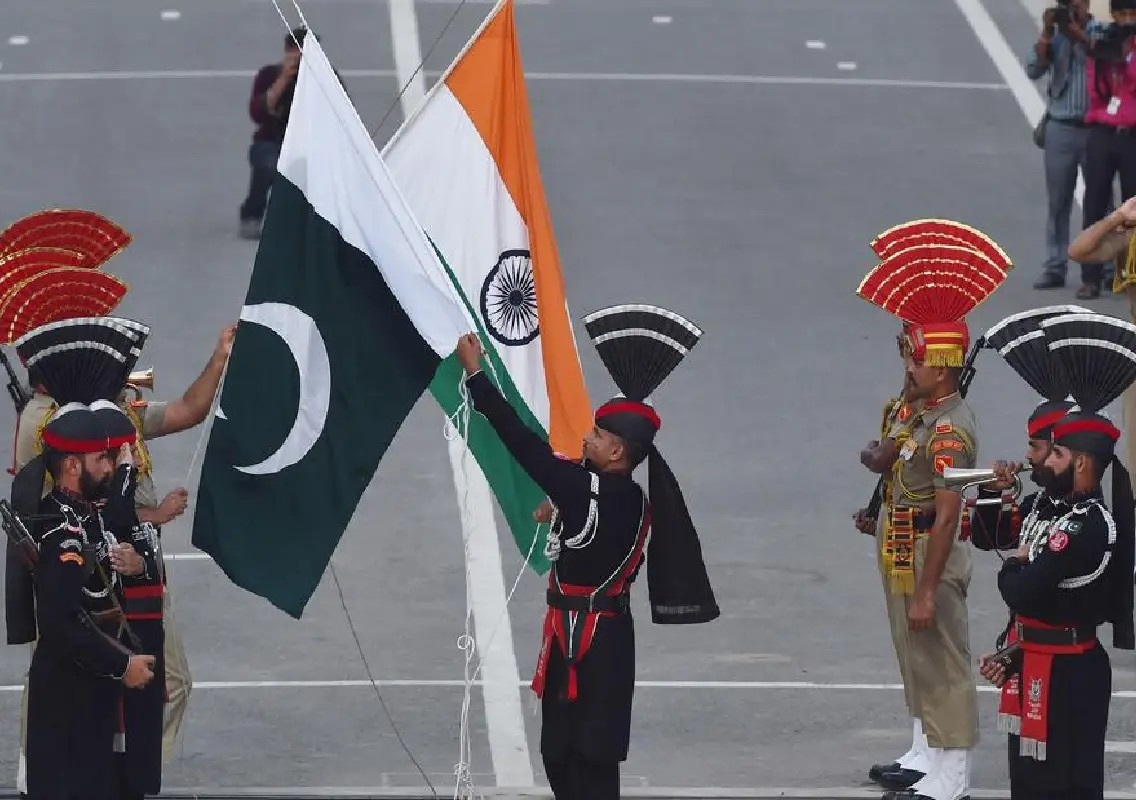


London: India’s first Independence Day on August 15, 1947, was accompanied by celebrations across the country and diplomatic activity overseas. But Britain’s hurried decision to leave India also left several unresolved questions, including an unusual dispute over flags at India House in London.
Britain had originally indicated that the transfer of power would take place later, but the process was brought forward to August 1947. The compressed timetable left governments and officials with little time to settle the practical arrangements surrounding the creation of India and Pakistan.
A question of flags
One of the issues concerned India House, the diplomatic property that had represented British India in London.
With Pakistan becoming an independent country on August 14, questions arose over how its new diplomatic presence should be represented in Britain. A proposal connected to flying the Pakistani flag at India House reportedly became a matter of contention.
The episode reflected the wider uncertainty surrounding diplomatic assets, official representation and administrative responsibilities during Partition.
Independence came with unfinished business
The transfer of power created two new dominions while countless institutional arrangements still had to be worked out. Government departments, armed forces, financial resources, diplomatic properties and other assets had to be divided between the two countries.
The hurried process also coincided with the enormous human tragedy of Partition, as millions were displaced amid communal violence.
For India, August 15 became a defining national day, while Pakistan celebrated Independence Day on August 14. The years that followed saw the two neighbours develop a complicated relationship shaped by conflict, diplomacy and shared history. (en.wikipedia.org)
A small episode from a historic moment
The India House flag dispute may appear minor compared with the events unfolding across the subcontinent. Yet such episodes reveal how independence was not a single moment but a vast administrative transition involving thousands of decisions.
Nearly eight decades later, these forgotten details offer a glimpse into the uncertainty behind one of the most consequential moments in South Asian history.