









US President Donald Trump has reiterated that his administration is in talks with Iran to end the ongoing conflict, even as Tehran has firmly denied any such negotiations, deepening uncertainty over diplomatic efforts.
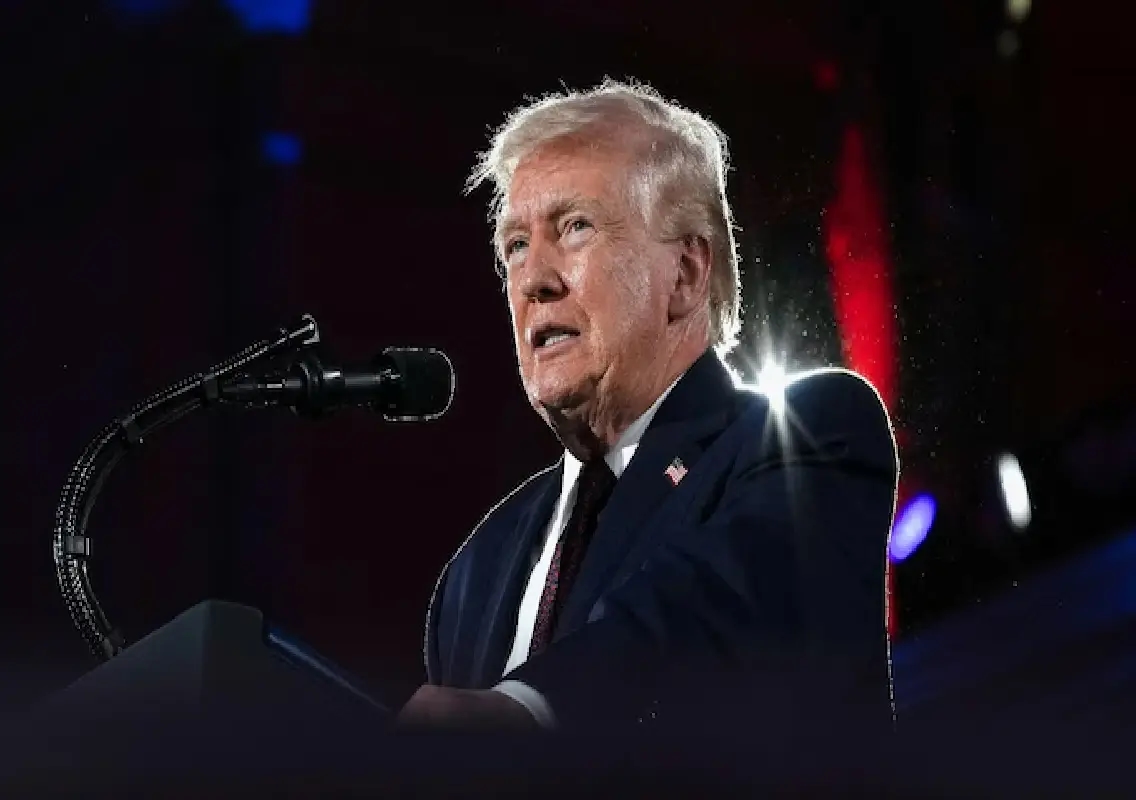
Speaking at a Republican fundraiser, Trump claimed that backchannel discussions with Iran were progressing and that Tehran was eager to strike a deal to end the nearly month-long war.
Controversial remarks spark attention
In a striking and controversial statement, Trump also claimed that Iran’s leadership had informally suggested he take on the role of Supreme Leader—an assertion that has not been substantiated.
“There’s never been a head of a country that wanted that job less,” Trump said, adding that he declined the alleged offer.
The remarks have drawn attention globally, given their unusual nature and the absence of any confirmation from Iranian officials.
Iran denies talks outright
Iran has categorically rejected Trump’s claims of ongoing negotiations. Officials in Tehran stated that no discussions are taking place and dismissed the US assertions as unfounded.
A spokesperson for Iran’s military command criticised the claims, saying Iran would not engage in negotiations under current circumstances.
Iranian media outlets also reported that the country has instead proposed its own conditions for any potential resolution to the conflict.
Ceasefire proposal and disagreements
Amid escalating tensions, reports suggest that Washington has put forward a multi-point ceasefire proposal through intermediaries, including Pakistan.
The reported proposal includes:
- Dismantling Iran’s nuclear programme
- Ending support for proxy groups such as Hezbollah
- Reopening the Strait of Hormuz
However, Iran has rejected these terms and is said to have presented a separate five-point counter-proposal, signalling that any agreement would depend on its own conditions.
Power dynamics in Iran
The situation is further complicated by internal developments in Iran’s leadership. Following the reported killing of former Supreme Leader Ali Khamenei, his son Mojtaba Khamenei is said to have assumed the position, though he has not appeared publicly since the conflict escalated.
Reports suggesting injuries to the new leadership have added to speculation about a power vacuum within the country.
War impact on global stability
The ongoing conflict has had significant global repercussions, particularly on energy markets. The strategic importance of the Strait of Hormuz—through which a large share of the world’s oil passes—has heightened concerns about supply disruptions.
Any prolonged instability in the region could affect fuel prices and economic conditions worldwide.
Conclusion
With the United States claiming progress in negotiations and Iran firmly denying any talks, the diplomatic path to ending the conflict remains unclear. The situation continues to evolve amid military tensions, leadership uncertainties, and global economic implications, leaving the international community closely watching for any signs of de-escalation.