







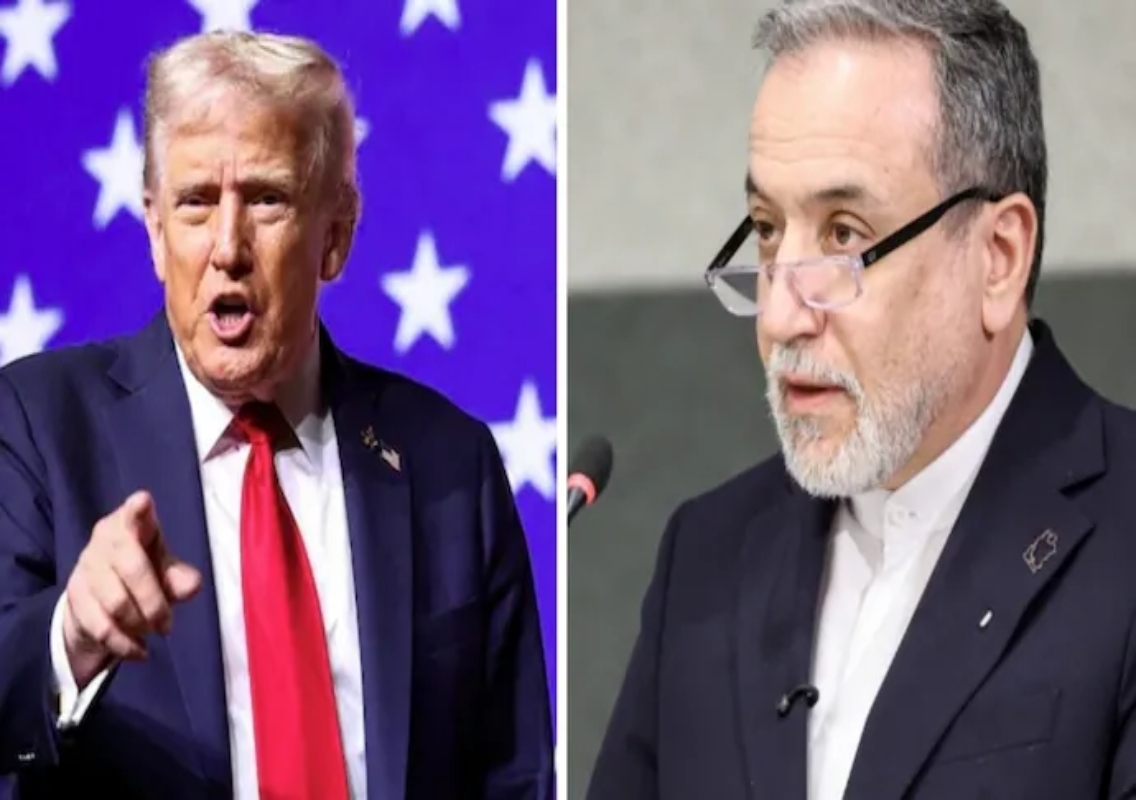


Washington: US President Donald Trump has denied reports that his administration offered Iran sanctions relief and access to frozen Iranian funds in exchange for concessions on Tehran’s nuclear programme.
Trump rejected the reported offer on Monday, saying he had offered Iran “nothing”. His denial came as indirect diplomatic contacts between the United States and Iran continued through Qatari and Pakistani mediators, with disagreements remaining over Iran’s nuclear activities, sanctions and the Strait of Hormuz.
The dispute comes amid renewed efforts to find a negotiated path towards ending the seven-month conflict between the two countries. US and Iranian officials have held separate discussions with mediators as diplomatic activity intensified around the United Nations General Assembly in New York.
Trump rejects report of sanctions offer
Trump’s denial followed an Axios report that cited US officials as saying Washington was willing to consider economic relief if Iran made concrete commitments concerning its nuclear programme.
According to India Today, Trump responded to the report on Truth Social by rejecting the claim and stating that he had offered Iran nothing. The White House has continued to emphasise restrictions on Iran’s nuclear activities as a central issue in any potential agreement.
The reported disagreement highlights the uncertainty surrounding the ongoing indirect negotiations. While mediators have described contacts as constructive, significant differences remain between Washington and Tehran over the terms and sequencing of any agreement.
Fresh mediation efforts continue
The latest diplomatic activity has involved Qatar and Pakistan, which have been communicating with officials on both sides.
Qatari mediators met Iranian Foreign Minister Abbas Araghchi to discuss proposals that have been under consideration. Separate contacts with Trump administration officials were also expected as mediators attempted to narrow the differences between the two countries.
A US official described the indirect discussions as “positive and constructive”, while acknowledging that substantial gaps remained, particularly concerning nuclear issues and the order in which commitments would be implemented.
The renewed talks follow earlier diplomatic attempts that failed to produce a lasting settlement.
Nuclear programme remains a central issue
The Iranian nuclear programme remains one of the main obstacles to an agreement.
The Trump administration has said that any settlement must include meaningful restrictions on Iran’s nuclear activities, with US officials stating that Washington wants assurances that Iran will not acquire a nuclear weapon.
Iran, meanwhile, has maintained its own conditions for negotiations. Tehran has been seeking measures related to sanctions, its economic situation and the reopening of the Strait of Hormuz.
Reuters reported that Iranian officials have previously said Tehran would not accept concessions on its nuclear programme under conditions it considers unacceptable. Iran has also insisted that its nuclear activities are not intended to produce nuclear weapons.
The competing positions have made the sequencing of commitments a particularly difficult issue in the talks.
Strait of Hormuz adds another complication
The Strait of Hormuz has emerged as another major issue in the negotiations.
Iran has linked the reopening of the strategic waterway to the outcome of negotiations and the fulfilment of its conditions. The route is crucial to global energy shipments, making developments around the strait significant for international oil markets.
Iran’s recent proposals have included provisions concerning the reopening of the strait, while discussions have also involved sanctions and frozen Iranian assets.
The United States, however, has continued to press for commitments relating to Iran’s nuclear programme as part of any broader settlement.
Iran awaits formal US response
Iranian Foreign Minister Abbas Araghchi said Tehran was waiting for Washington’s formal response to its latest proposals before deciding its next steps.
According to India Today, Araghchi said Iran had presented its ideas and expected a clear position from the United States. Tehran has also maintained that reopening the Strait of Hormuz would depend on negotiations and the fulfilment of Iranian conditions.
The comments indicate that diplomatic channels remain open despite the sharp differences between the two sides.
Reuters has also reported that US and Iranian officials held separate meetings with mediators as part of renewed efforts to end the conflict. The discussions have focused on an amended version of a seven-day proposal put forward by Iran.
What Iran’s proposal includes
According to officials cited in the India Today report, the revised proposal under discussion includes several measures aimed at reducing tensions.
These include ending hostilities, releasing frozen Iranian assets, providing relief from sanctions on Iranian oil exports and lifting restrictions on Iranian ports.
In return, Iran would reopen the Strait of Hormuz and resume discussions concerning its nuclear programme.
The reported terms remain part of ongoing diplomatic discussions and do not represent a concluded agreement between Washington and Tehran.
Trump had previously rejected Iran’s broader proposal, arguing that Tehran was facing increasing economic pressure. At the same time, he indicated that further negotiations could take place during the week.
No agreement announced yet
Trump’s latest denial adds another layer of uncertainty to the diplomatic process.
While reports have pointed to possible discussions over sanctions relief and frozen Iranian funds, the US president has publicly denied offering such concessions. Iran, meanwhile, continues to seek a negotiated settlement involving economic and strategic issues alongside discussions on its nuclear programme.
For now, mediators from Qatar and Pakistan are continuing their efforts to bring the two sides closer together. The outcome will depend on whether Washington and Tehran can narrow their differences over nuclear restrictions, sanctions, the Strait of Hormuz and the sequence of commitments.
No final agreement has been announced, and the positions publicly stated by the United States and Iran remain substantially different.