







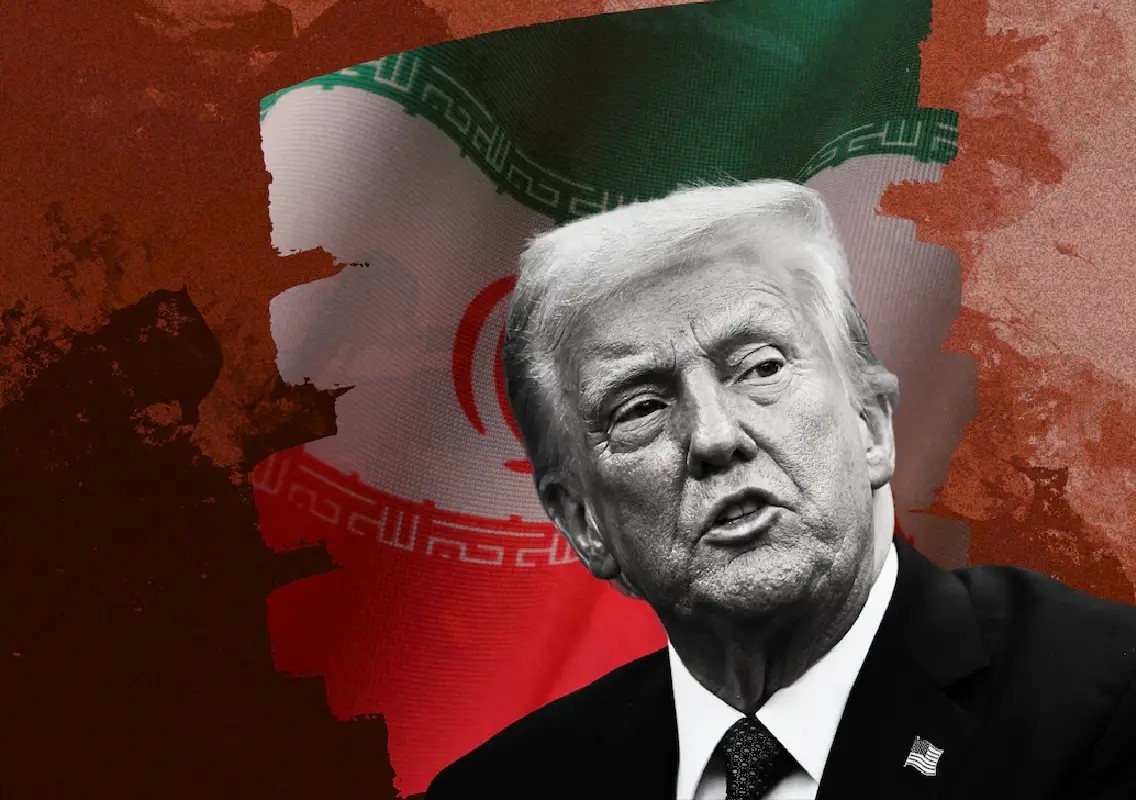


Washington: US President Donald Trump is facing renewed pressure after fresh military exchanges between the United States and Iran threatened a fragile ceasefire, complicating his efforts to end the conflict and avoid a prolonged war in West Asia.
The latest escalation began after Iran targeted US military facilities in Bahrain and Kuwait following American strikes on Iranian targets, which Washington said were launched in response to attacks on commercial tankers in the Strait of Hormuz.
Ceasefire comes under fresh strain
Trump declared that the interim agreement aimed at ending the conflict was “over” and ordered additional strikes against Iranian targets. The renewed violence has cast doubt over the future of the ceasefire signed just weeks ago and raised concerns that diplomacy may be losing momentum.
Although both sides have avoided a full-scale war, analysts believe the latest exchange has made a comprehensive peace agreement increasingly difficult to achieve.
Trump faces difficult choices
Political experts say the US President has few favourable options. Escalating military action could draw the United States deeper into the conflict, while easing pressure on Iran could weaken Washington’s position and embolden Tehran.
Trump has maintained that the conflict will end quickly and has reiterated that preventing Iran from advancing its nuclear programme remains a key objective. However, analysts say there is little indication that Tehran is prepared to make the major concessions sought by Washington.
Political and economic pressures mount
The renewed fighting comes at a politically sensitive time for Trump, with the US midterm elections approaching. Rising oil prices, triggered by tensions in the Strait of Hormuz, have also raised concerns about inflation and economic stability.
The conflict has overshadowed international diplomatic efforts and increased fears over disruptions to global energy supplies, as nearly one-fifth of the world’s oil shipments pass through the strategically important waterway.
Analysts believe the most likely outcome is continued periodic military exchanges alongside intermittent diplomatic talks, rather than a lasting peace settlement in the near future