









Washington: US President Donald Trump said he discussed the release of political prisoners with Chinese President Xi Jinping during their meeting in Washington last week, including cases involving Hong Kong media tycoon Jimmy Lai and Myanmar scholar and US citizen Min Zin.
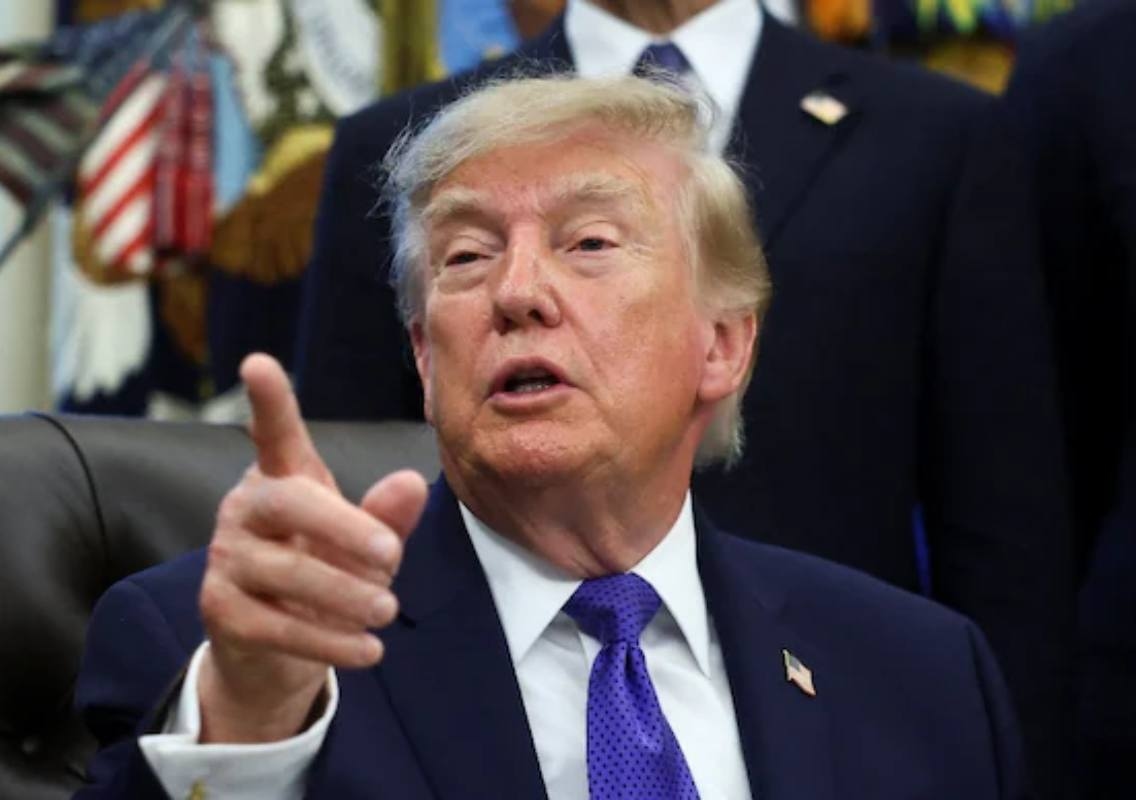
Trump made the remarks on Wednesday when reporters asked whether he had raised the cases of people detained in China during his talks with Xi. Trump confirmed that he had, saying the two leaders had held what he described as “very, very important discussions” and expressing hope that they would prove fruitful.
The comments came after the White House had indicated ahead of Xi’s visit that Trump was expected to raise cases involving people Washington considers to have been wrongfully detained in China.
However, Trump did not provide details about what Xi said in response or whether any agreement was reached concerning the detainees.
Trump confirms discussions with Xi
Asked specifically about political prisoners such as Min Zin and Jimmy Lai, Trump said he had raised the issue with Xi.
“We talked, and I think we had some very, very important discussions. Hopefully, fruitful discussions,” Trump told reporters.
The brief comments did not establish whether the discussions produced any commitment from Beijing. Reports also said it remained unclear whether Trump raised wider human rights issues concerning Tibet, China’s Uyghur Muslim population or Beijing’s policies on ethnic unity.
Trump has made securing the release of Americans detained overseas a recurring foreign-policy priority. The cases of Americans held in China have therefore attracted attention as Washington and Beijing seek to manage broader disagreements over trade, technology, security and human rights.
The issue of detainees was raised during a summit that otherwise focused heavily on the broader US-China relationship.
Jimmy Lai remains a prominent case
Jimmy Lai is one of the most closely watched detention cases involving Hong Kong.
Lai founded the now-shuttered Apple Daily newspaper and became a prominent critic of Beijing’s policies in Hong Kong. He was convicted in December 2025 on two counts of conspiracy to collude with foreign forces and one count involving the publication of seditious materials.
A Hong Kong court sentenced him to 20 years in prison in February 2026. The sentence was handed down under Hong Kong’s national security framework and made Lai one of the most prominent figures to receive a lengthy prison term under the legislation.
His case has drawn sustained attention from foreign governments and international rights and press-freedom organisations. The British government, for example, has separately raised Lai’s case with Chinese authorities and called for his release on humanitarian grounds.
Trump’s latest comments indicate that Lai’s case was among the matters discussed with Xi, although the US president did not disclose the substance of the Chinese leader’s response.
Who is Min Zin?
Min Zin, a Myanmar scholar and US citizen, is another case that Washington has highlighted.
Chinese authorities arrested Min Zin in June, and the US government designated him as wrongfully detained in August, according to reports.
His case has particular significance for Washington because he is an American citizen being held in China. The Trump administration has placed a focus on securing the release of US citizens detained abroad, making individual cases an important part of its engagement with foreign governments.
Trump’s remarks did not indicate whether China had offered any commitment concerning Min Zin’s detention.
Wider human rights issues remain unclear
Although Trump confirmed that political prisoners were discussed, it remains unclear how extensively broader human rights concerns featured in the meeting.
Questions remain over whether the talks included issues involving Tibet, China’s Uyghur population or the country’s policies concerning ethnic and national unity.
The uncertainty reflects the limited details released publicly about the private conversation between Trump and Xi. Neither side has provided a detailed account of the human rights issues discussed during the meeting.
The summit itself covered a much wider range of subjects, including trade, artificial intelligence, Taiwan and strategic relations between Washington and Beijing. The two governments also agreed on measures aimed at keeping communication open on several areas of disagreement.
Human rights and US-China diplomacy
The discussion of political prisoners adds another layer to an already complex US-China relationship.
Washington and Beijing continue to negotiate over economic and strategic issues while also managing disagreements over security and human rights. Individual detainee cases can become particularly sensitive because they involve both humanitarian concerns and diplomatic relations.
For the United States, raising specific cases allows Washington to seek action on individual detainees without necessarily making the entire bilateral relationship dependent on broader human rights negotiations.
For China, however, cases involving people convicted under its national security laws are linked to its domestic legal and sovereignty claims. This can make negotiations over individual prisoners politically sensitive.
In the case of Jimmy Lai, for instance, Hong Kong authorities have maintained that his conviction was based on offences under local law, while foreign governments and rights organisations have criticised the proceedings and called for his release. The competing positions remain part of the wider diplomatic dispute surrounding Hong Kong.
No details on outcome yet
Trump’s statement confirms that political prisoner cases were raised during his meeting with Xi, but it does not establish whether the discussion resulted in any immediate action.
The US president described the talks as important and expressed hope that they would be fruitful. However, no release announcement concerning Lai, Min Zin or other detainees accompanied his remarks.
The cases are likely to remain part of Washington’s engagement with Beijing as the two countries attempt to manage differences across trade, security, technology and human rights.
For now, Trump’s comments provide confirmation that individual detainees were discussed at the presidential level, while the substance of Xi’s response and any possible follow-up measures remain undisclosed.