







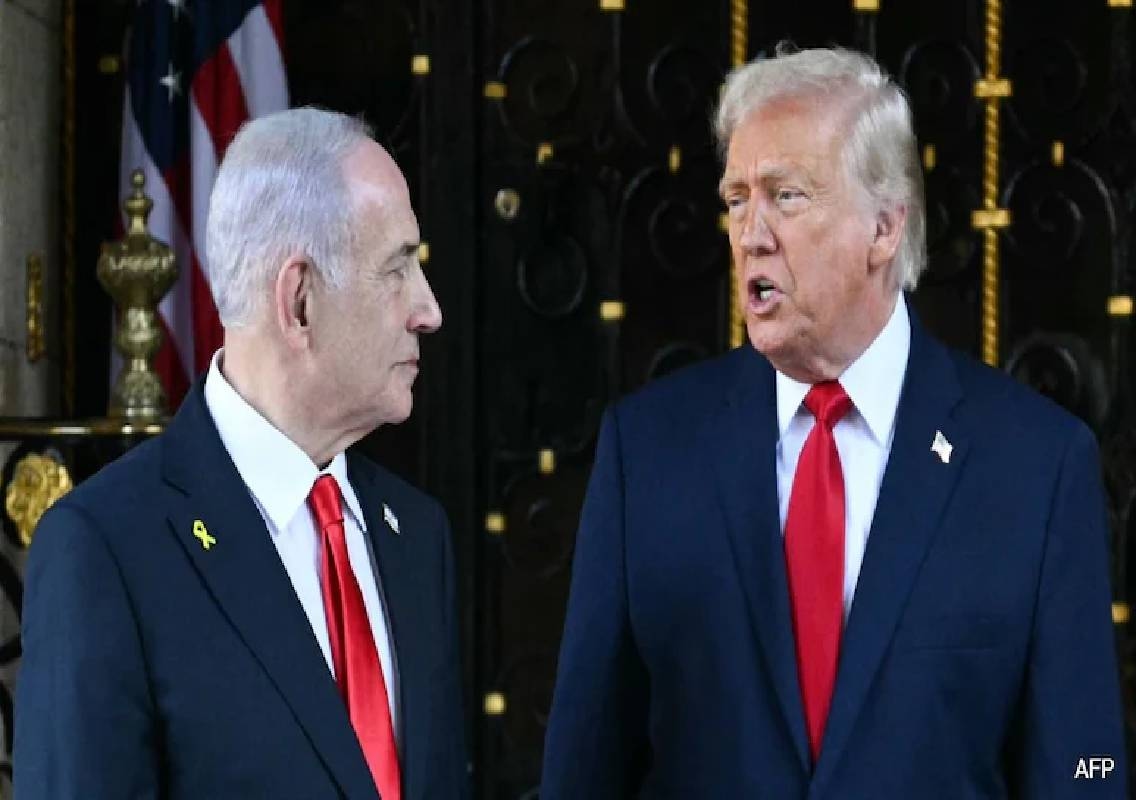


New Delhi: US President Donald Trump on Saturday announced that the United States and Israel have agreed to hold off planned military strikes on Iran, saying that the broad parameters of a deal to end the ongoing conflict have been reached. Trump claimed the decision followed requests from Iran and several Middle Eastern countries, adding that the proposed agreement includes the immediate reopening of the Strait of Hormuz and an end to Iran’s nuclear threat.
The announcement comes amid heightened tensions in the region after reports suggested Washington and Tel Aviv were preparing fresh joint military operations targeting Iran’s energy infrastructure. Trump’s statement has raised hopes of a diplomatic breakthrough after months of escalating hostilities.
Trump says deal framework has been agreed
In a post on his social media platform Truth Social, Trump said the US military was fully prepared to launch large-scale attacks against Iran but had decided to pause military action after receiving requests to allow diplomacy a chance.
According to Trump, the proposed agreement would ensure the immediate, complete and total reopening of the Strait of Hormuz, one of the world’s most important oil shipping routes, while also addressing concerns over Iran’s nuclear programme.
He described the move as being in the “future benefit of the world” and said the planned military operation had been cancelled, subject to the successful completion of the agreement.
Netanyahu also agrees to pause attacks
Trump said Israeli Prime Minister Benjamin Netanyahu had agreed to join the United States in delaying further military action while negotiations continue.
He urged all parties involved to finalise the agreement quickly, expressing optimism that the conflict could be brought to an end through diplomatic efforts rather than further military escalation.
Neither the Israeli government nor Iranian officials immediately issued detailed statements confirming Trump’s claims.
Reports suggested fresh strikes were imminent
The announcement followed reports from several US media organisations that Washington and Israel were preparing coordinated military strikes against Iranian targets.
According to reports, the proposed attacks were expected to focus on energy-related infrastructure, with operations potentially beginning over the weekend. Trump had earlier warned that Iran would be hit “very hard” if tensions continued to escalate.
Reports suggested the United States had not yet given final approval for the operation, although military coordination between Washington and Tel Aviv was reportedly underway.
Strait of Hormuz remains central issue
The Strait of Hormuz has remained one of the biggest flashpoints during the conflict.
Iran has largely restricted movement through the strategic waterway since the war began on February 28, disrupting global energy markets and raising concerns about oil supplies. Nearly one-fifth of the world’s oil shipments normally pass through the narrow maritime corridor.
Trump said reopening the route would form one of the key pillars of any final peace agreement.
Background of the conflict
The latest developments come after months of conflict between the United States and Iran.
The two sides had signed a preliminary agreement aimed at ending the war earlier this year. However, the understanding later collapsed after Washington accused Tehran of targeting commercial vessels in the Strait of Hormuz. Iran denied the allegations and responded by attacking American military installations in Gulf countries.
Trump subsequently declared the agreement “over”, while Iran suspended the memorandum of understanding, accusing the United States of violating its commitments.
Diplomatic uncertainty remains
While Trump’s statement has fuelled optimism about a possible end to the conflict, uncertainty remains over whether all parties have formally accepted the proposed framework.
Officials from Iran have not publicly confirmed the reported agreement, and details regarding timelines, verification mechanisms and future negotiations remain unclear.
Analysts say the coming days will determine whether the diplomatic opening leads to a lasting ceasefire or merely delays another round of military confrontation.
Conclusion
Trump’s announcement marks a significant shift after days of speculation over fresh US-Israeli strikes on Iran. If negotiations succeed, the reopening of the Strait of Hormuz and a broader peace agreement could ease tensions across the Middle East and reduce pressure on global energy markets. However, with no formal agreement yet signed, the situation remains fluid.