







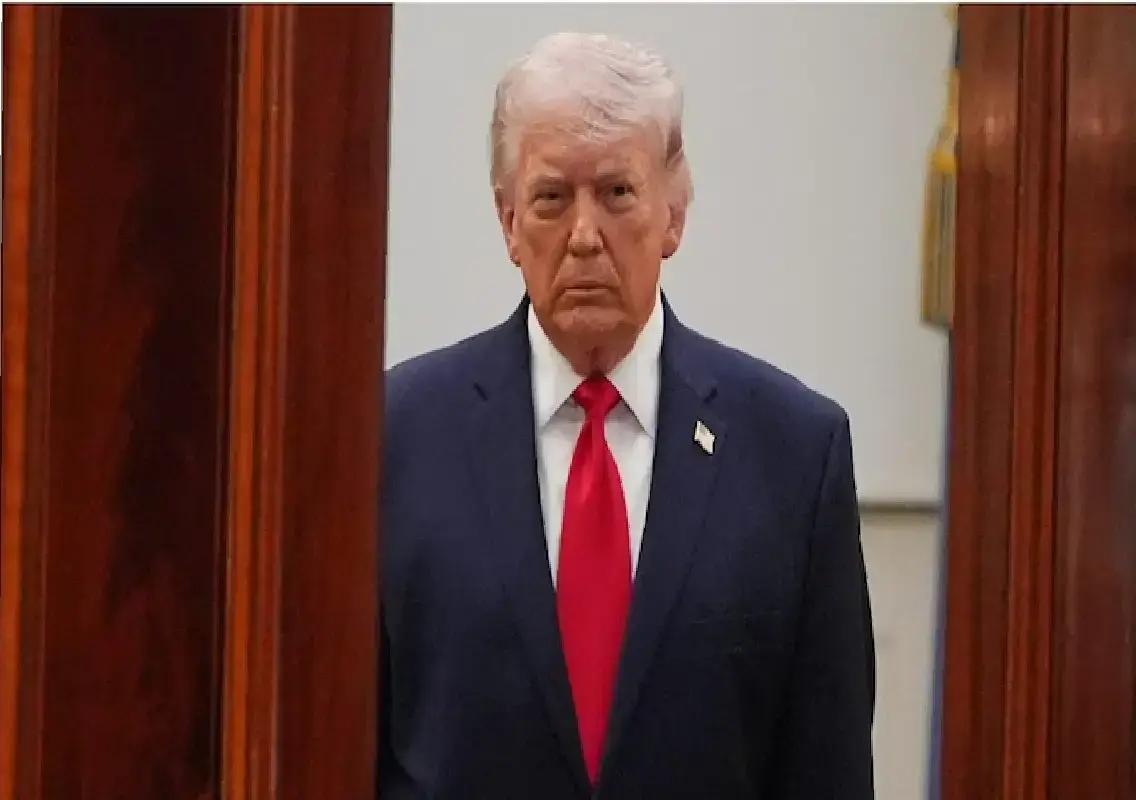


Washington: Donald Trump has escalated rhetoric in the ongoing conflict with Iran, warning that the United States could target the country’s power plants if ongoing talks fail to yield results.
The warning came through a post on his social media platform, where he claimed that the US military had “not even started destroying what is left in Iran” and signalled further escalation if a resolution is not reached.
Threats of wider infrastructure strikes
In his message, Donald Trump indicated that key infrastructure could be targeted next, including bridges and electric power plants. “Bridges next, then Electric Power Plants,” he wrote, urging Iran’s leadership to act quickly to end the conflict.
The remarks mark a sharp escalation in tone, as the conflict enters a prolonged phase with increasing pressure on both sides to negotiate a settlement.
Recent developments have already seen infrastructure damage in Iran, including a major bridge linking Tehran to Karaj being hit in an airstrike, resulting in casualties and raising global concern.
Escalation amid ongoing conflict
The warning comes amid a broader military confrontation involving the US and its allies against Iran, which has entered its fifth week. Thousands of people have reportedly been killed, and the conflict has caused widespread destruction and displacement.
Analysts say that threats to target energy infrastructure could significantly intensify the conflict and expand its humanitarian and economic impact.
The strategic Strait of Hormuz, a key global oil transit route, has also been at the centre of tensions, with disruptions contributing to volatility in global energy markets.
Iran responds to attacks
Reacting to recent strikes, Iran’s Foreign Minister Abbas Araghchi condemned attacks on civilian infrastructure, stating that such actions would not force Iran to surrender.
Iran has warned of retaliatory measures and has previously indicated it could target energy infrastructure in the region if its own facilities are attacked, raising fears of a broader regional conflict.
Legal and humanitarian concerns
Experts and international organisations have expressed concern over the implications of targeting civilian infrastructure such as power plants. Such actions could disrupt essential services including electricity, water supply, healthcare, and food distribution for millions of civilians.
Human rights groups have warned that attacks on critical infrastructure may violate international humanitarian law if they cause disproportionate harm to civilians.
Global implications
The escalating rhetoric and military actions have already impacted global markets, particularly energy prices. Disruptions in oil supply routes and infrastructure have led to increased volatility, affecting economies worldwide.
Diplomatic efforts are ongoing, but tensions remain high, with no clear resolution in sight. The situation continues to draw international attention, with concerns about a potential wider war in the Middle East.
Conclusion
Donald Trump’s latest warning to Iran underscores the fragile and volatile nature of the ongoing conflict. While talks remain a possibility, the threat of further escalation looms large.
The coming days are likely to be critical in determining whether diplomatic efforts can prevent a deeper crisis or whether the conflict will intensify with potentially far-reaching consequences.