







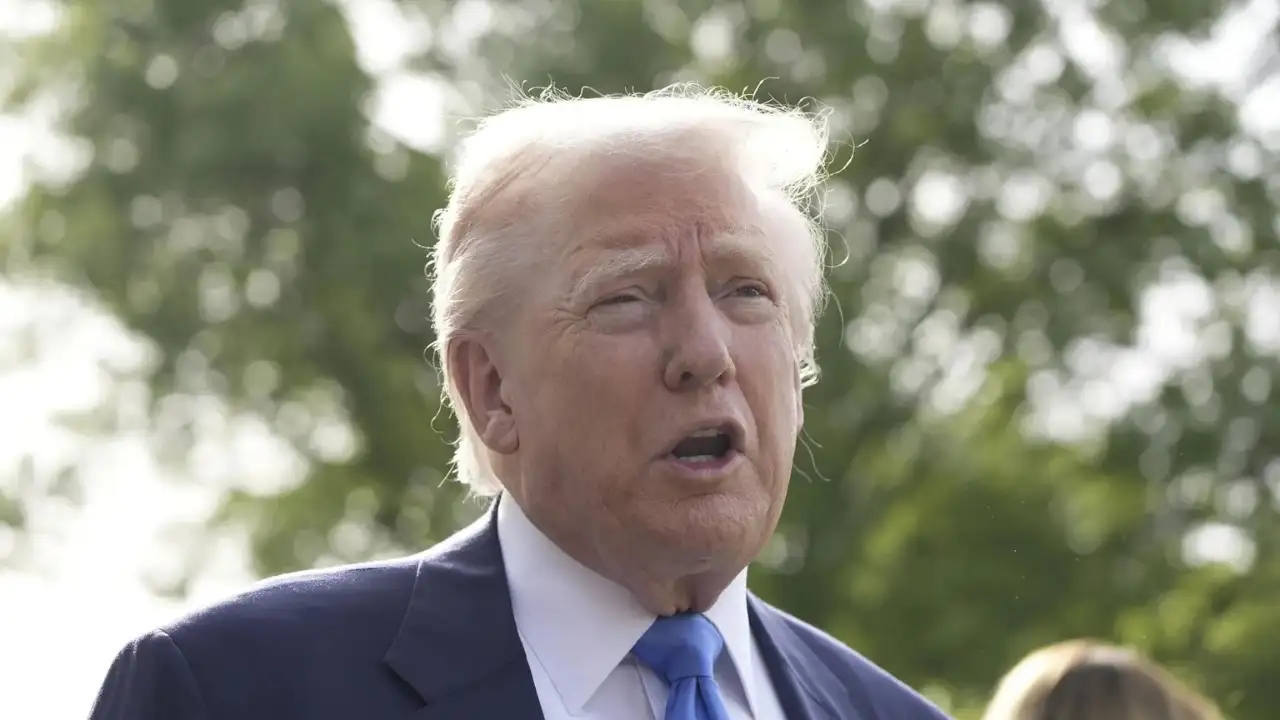


In the wake of Donald Trump‘s return to office, his erratic policies have caused turmoil within the global order established after World War II. Emphasizing “America First,” Trump’s administration has ignited a global tariff conflict, reduced U.S. foreign assistance, and alienated key allies. His public backing of Russia’s perspective on the invasion of Ukraine, along with his provocative suggestions to annex Greenland, seize the Panama Canal, and incorporate Canada into the U.S., has heightened global anxiety.
Trump’s approach has not only strained ties with traditional partners but also emboldened adversaries, triggering fears about the future of U.S. influence. Many analysts warn that his aggressive policies could have long-term consequences, even if a new administration in 2028 reverts to traditional diplomacy. His “America First” stance has led countries to reassess their alliances with the U.S., with some European nations investing in their own defense capabilities, while South Korea contemplates a nuclear arsenal of its own. Meanwhile, the White House justifies Trump’s measures as necessary responses to geopolitical challenges involving Russia, China, and Iran.
As the global balance continues to shift, several nations are looking for new strategies to protect their interests, with some deepening ties with China and others focusing on strengthening European partnerships. While it’s not too late for the U.S. to restore its leadership role, the lasting effects of Trump’s policies remain uncertain and potentially irreparable.
- Donald Trump sparks outrage after appearing to nap at Pope Francis’ funeral
- Trump calls Pahalgam strike ‘a bad one’ as India-Pak tensions surge
#TrumpEra #GlobalTurmoil #AmericaFirst #DiplomaticCrisis