







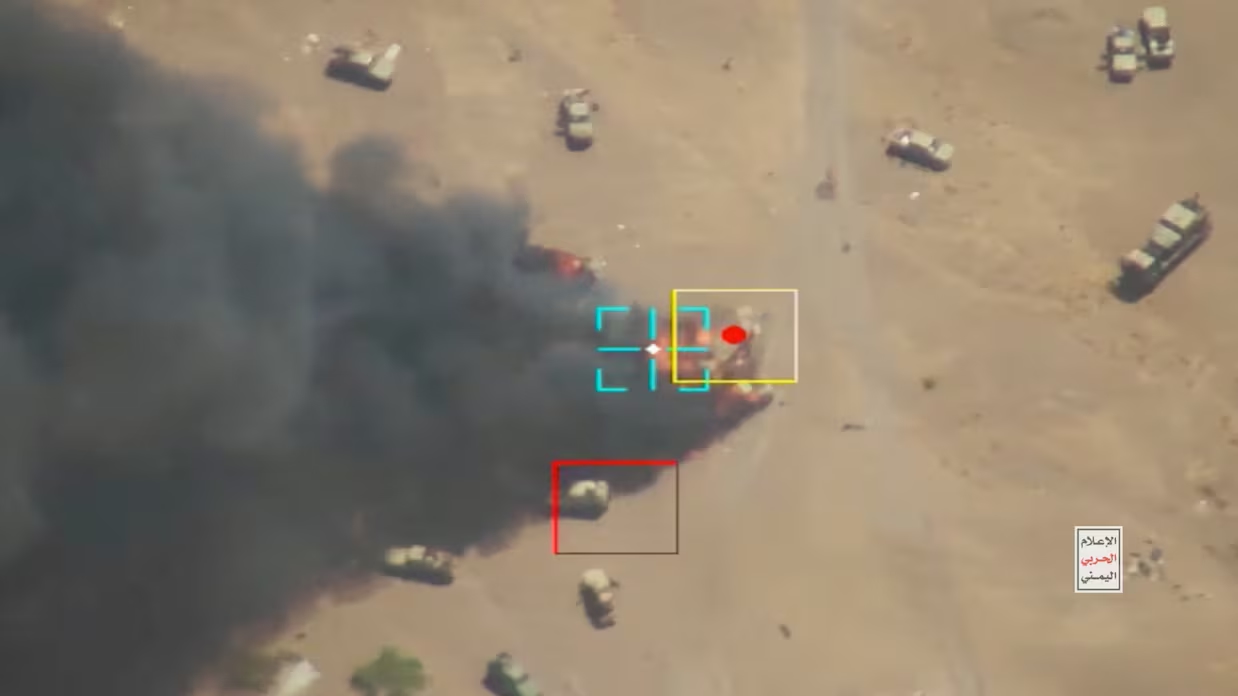


Riyadh: Two airports in southern Saudi Arabia were targeted in attacks on Monday night, leaving three people with minor injuries and causing material damage, according to the kingdom’s civil aviation authority, as fighting between Yemen’s Saudi-backed government forces and Houthi rebels intensified around the strategic Red Sea coast and Bab Al Mandeb Strait.

The General Authority of Civil Aviation (GACA) said King Abdullah bin Abdulaziz International Airport in Jizan and Najran International Airport were targeted. The authority said it was assessing the damage and taking measures to protect passengers and staff and maintain the security of Saudi Arabia’s civil aviation system.
The attacks came as Saudi-backed Yemeni forces launched a major offensive against the Houthis along the western coast, with government forces claiming to have regained control of the Bab Al Mandeb Strait, the Dhubab area and the strategic port city of Mokha.
The Houthis have denied losing control of the areas. The renewed fighting has increased security concerns around one of the world’s most important maritime passages, while Saudi Arabia has stepped up military operations against Houthi positions in Yemen.
Three people injured in airport attacks
GACA said the attacks on the Jizan and Najran airports caused three minor injuries and material damage.
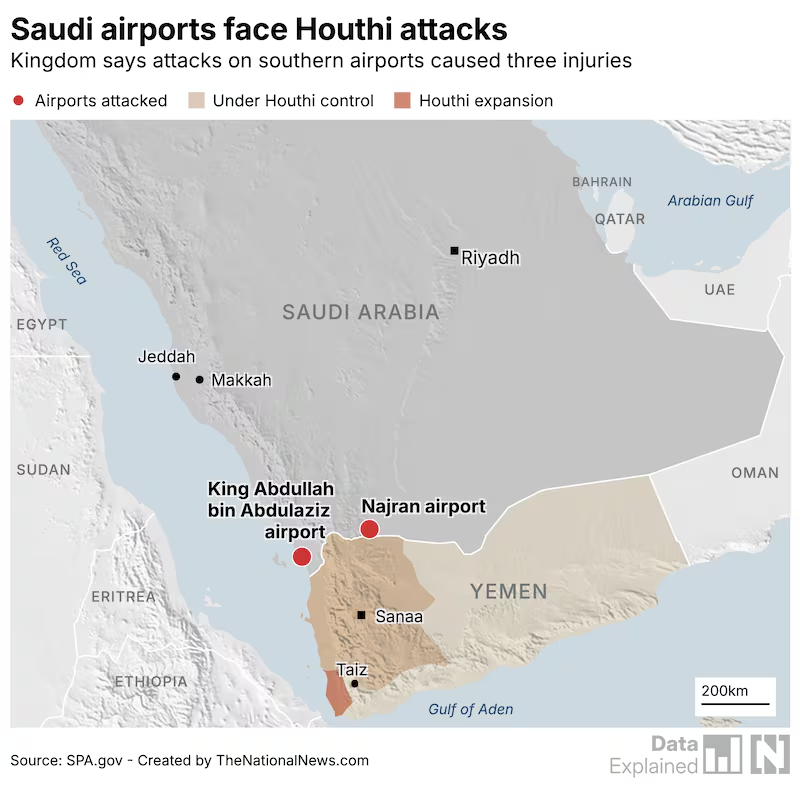
The authority did not publicly provide details about the weapons used in the attacks or identify who was responsible. The airports are located in southern Saudi Arabia, close to the border with Yemen, and have previously been exposed to security risks connected with the conflict across the border.
GACA said authorities were assessing the damage and implementing measures to ensure the safety of passengers and aviation personnel.
The attacks occurred as Houthi forces stepped up claims of strikes against Saudi targets following the latest Saudi-backed military offensive in Yemen.
The Saudi Interior Ministry also warned people against filming or sharing images of missile and drone interceptions or their impact sites, saying that such activity could expose individuals to legal liability.
Houthis claim wider attacks across Saudi Arabia
The Houthi movement claimed on Monday night that it had carried out attacks against several Saudi targets, including King Khalid International Airport in Riyadh, an Aramco refinery in Rabigh, Abha International Airport and a military base in Khamis Mushait.
Those additional claims could not immediately be independently verified.
The reported attacks came amid a wider escalation that has seen Houthi forces threaten Saudi infrastructure while Saudi Arabia provides air support to Yemeni government forces advancing along the Red Sea coast.
Reuters reported that the Houthis had also claimed attacks on Saudi oil facilities as Yemeni government forces pushed towards the Bab Al Mandeb Strait and the city of Mokha.
The attacks and counter-attacks have raised concerns about the security of civilian infrastructure and energy facilities in Saudi Arabia, as well as the wider impact of the conflict on regional trade.
Riyadh airport operations face disruption
The security situation also affected operations at Saudi Arabia’s main international airport in Riyadh.
Flights to and from King Khalid International Airport were reported to be on hold on Tuesday, according to aviation monitoring platform FlightsRadar24. The airport’s website was also reported to be inaccessible.
The disruption followed the Houthi claim that King Khalid airport had been targeted, although details of the reported attack and its effect on airport infrastructure were not immediately independently confirmed.
For Saudi Arabia, the potential threat to major airports adds another dimension to the latest escalation. Airports are critical civilian facilities, and any disruption can affect both domestic travel and international connections.
The situation also comes after repeated warnings from Saudi authorities over drone and missile threats, particularly as military operations have intensified in Yemen.
Saudi-backed forces push towards Bab Al Mandeb
The latest escalation began with a major offensive by Yemeni government forces backed by Saudi Arabia.
The internationally recognised Yemeni government said its forces had secured the Bab Al Mandeb Strait, the Dhubab area overlooking the sea lane and the port city of Mokha.
Reuters reported that Saudi-backed forces launched a rapid offensive on October 5 and pushed Houthi fighters away from several strategic areas around the strait. The Yemeni government said Mokha had been captured during the operation.
The Houthis disputed the claims, making the exact extent of territorial changes difficult to establish independently.
The fighting represents a significant escalation after a period in which a UN-brokered truce had largely halted cross-border attacks between the Houthis and Saudi Arabia.
The current offensive is aimed at weakening Houthi control of strategically important territory along Yemen’s western coast and reducing their ability to threaten the Red Sea shipping route.
Saudi coalition steps up air and naval operations
Saudi-led coalition forces have been providing air support to Yemeni government forces involved in the offensive.
Coalition spokesman Maj Gen Turki Al Malki said Saudi forces had destroyed a ballistic missile launch platform in Sanaa and a missile storage facility in Saada that contained 20 ballistic missiles.
Coalition naval forces also carried out operations around Hodeidah, targeting what Saudi authorities described as Houthi military facilities and preparations for attacks against shipping in the southern Red Sea.
The coalition said its naval operations targeted weapons depots, storage facilities for explosive-laden boats and naval mines.
The claims could not all be independently verified, but they illustrate the expanding military dimensions of the latest confrontation.
The Saudi-backed campaign is taking place both on land and at sea, reflecting the strategic importance of controlling Yemen’s Red Sea coastline.
Makkah defence alliance activated
The escalation has also brought Saudi Arabia, Pakistan and Turkiye closer together militarily.
The three countries agreed on Monday to immediately begin implementing collective-defence commitments under the Makkah Defence Alliance, including arrangements for the rapid deployment of agreed military forces and capabilities to Saudi Arabia.
The decision followed an emergency meeting of the alliance’s Strategic Political and Defence Committee in Riyadh.
The alliance was established through a defence agreement signed by Saudi Arabia, Pakistan and Turkiye. The agreement provides for collective action in response to an armed attack against a member state.
The latest decision is therefore significant because it moves the agreement towards practical implementation at a time when Saudi Arabia is facing renewed attacks from the Houthis.
The three countries had already increased military and intelligence cooperation in response to the escalation. Their military chiefs met in Riyadh in September to discuss the integration of defensive capabilities under the agreement.
Bab Al Mandeb becomes a major flashpoint
The Bab Al Mandeb Strait is at the centre of the latest fighting because of its importance to global maritime trade.
The narrow waterway connects the Red Sea with the Gulf of Aden and provides a crucial passage for ships travelling between the Mediterranean and Asian markets through the Suez Canal.
Control of territory overlooking the strait gives military forces the ability to threaten shipping moving through one of the world’s major commercial routes.
The latest Yemeni government offensive was therefore not simply about territory. Regaining control around Bab Al Mandeb is also intended to reduce the Houthis’ ability to threaten maritime traffic.
Reuters described the waterway as a vital Red Sea shipping route and reported that the Saudi-backed offensive could weaken the Houthis’ position around the strategic passage.
Red Sea security faces renewed pressure
The fighting comes at a particularly sensitive time for regional shipping.
The Red Sea and Bab Al Mandeb have already faced repeated security threats during the Yemen conflict, forcing shipping companies to reassess routes and security risks.
The renewed ground offensive and the subsequent Houthi claims of attacks against Saudi airports and energy facilities create the possibility of further disruption.
Saudi Arabia has also condemned what it described as continuing Houthi attacks against civilian and economic infrastructure and against vessels operating around the southern Red Sea and Bab Al Mandeb.
The situation has therefore developed beyond the battlefield in Yemen, with aviation, energy infrastructure and maritime transport all facing potential risks.
What happens next
The attacks on Jizan and Najran airports mark a new escalation in the conflict, coming shortly after Saudi-backed Yemeni forces claimed significant gains along the western coast.
While the Yemeni government says it has secured Bab Al Mandeb and captured Mokha, the Houthis have rejected those claims. At the same time, Houthi statements about attacks on Saudi targets remain only partly independently verified.
Saudi Arabia is responding through continued military operations in Yemen and increased defensive coordination with Pakistan and Turkiye under the Makkah Defence Alliance.
For the moment, the security situation remains fluid. The extent to which the Yemeni government can maintain its gains around Bab Al Mandeb, and whether the Houthis respond with further attacks on Saudi infrastructure, will be closely watched.
The latest airport attacks have also underscored how quickly fighting along Yemen’s coast can spill across the border and affect civilian infrastructure, regional aviation and one of the world’s most important shipping corridors.