







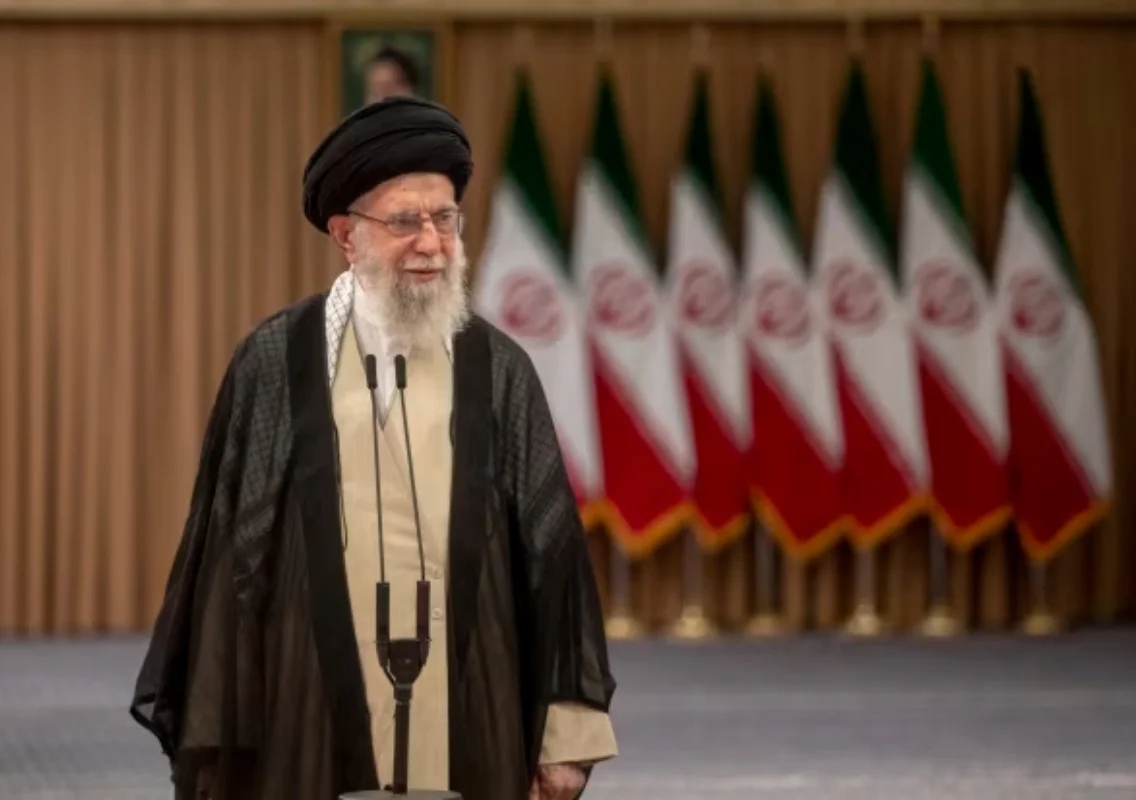


Conflicting claims have emerged over the fate of Ayatollah Ali Khamenei, Iran’s Supreme Leader, after coordinated military strikes by the United States and Israel allegedly targeted his compounds and several senior Iranian officials. The situation has triggered intense global debate and heightened tensions in the Middle East.
On February 28, 2026, former U.S. President Donald Trump asserted in a social media post that Khamenei had been killed in joint U.S.–Israeli air raids that struck key Iranian leadership and military infrastructure. Trump described Khamenei as “one of the most evil people in history” and claimed that multiple senior figures in Iran’s power structure were eliminated in the strikes. Israeli Prime Minister Benjamin Netanyahu echoed the claim, stating there were “many signs” that the 86-year-old leader was “no longer” alive following the attack.
Tehran denies death claims
Iranian state media and government sources have categorically denied the reports of Khamenei’s death. Officials quoted in Iranian news agencies described the Supreme Leader as “steadfast and firm in commanding the field,” and emphasised that the assertions from foreign leaders were unverified. Tehran’s response has been defiant, with authorities pledging a strong military response should the allegations prove true. As of now, Iranian official outlets have not published independent photographic or video confirmation of Khamenei’s condition.
The conflicting narratives reflect a broader information battle unfolding alongside military escalation in the region. Independent verification remains limited, and major international broadcasters continue to classify the dispute as open and unverified.
Regional escalation after strikes
The alleged strikes follow an intensive joint military operation conducted by the United States and Israel targeting Iranian leadership and command infrastructure. Iran has since conducted multiple retaliatory attacks against U.S. military bases and strategic positions across the Middle East, signalling an intensification of hostilities.
Regional analysts warn that if Khamenei’s death is confirmed, it could precipitate significant shifts in Iranian governance and potentially alter strategic calculations across the broader region.
Who is Ayatollah Ali Khamenei?
Ayatollah Ali Khamenei has served as Iran’s Supreme Leader since 1989, succeeding Ayatollah Ruhollah Khomeini. With near-absolute control over Iran’s military, judiciary and foreign policy, he has been a central figure in shaping the country’s domestic and international posture for nearly four decades. His tenure has witnessed decades of conflict, internal unrest, and pro-democracy protests — including nationwide demonstrations in 2025 and early 2026 where calls for reform and challenges to the regime’s authority were widely reported.
Global reaction and uncertainty
International reactions have ranged from cautious diplomacy to urgent calls for de-escalation. United Nations officials have urged all parties to avoid further military escalation, highlighting the risk that a widening conflict could engulf neighbouring countries and destabilise global energy markets.
Meanwhile, Western capitals are seeking verification before formally accepting claims about Khamenei’s status. Diplomatic sources in Europe and Asia have emphasised the importance of verified, open-source evidence before drawing definitive conclusions.
The situation remains highly fluid, with the truth of conflicting narratives still unconfirmed and sharp escalation possible in the coming days.