







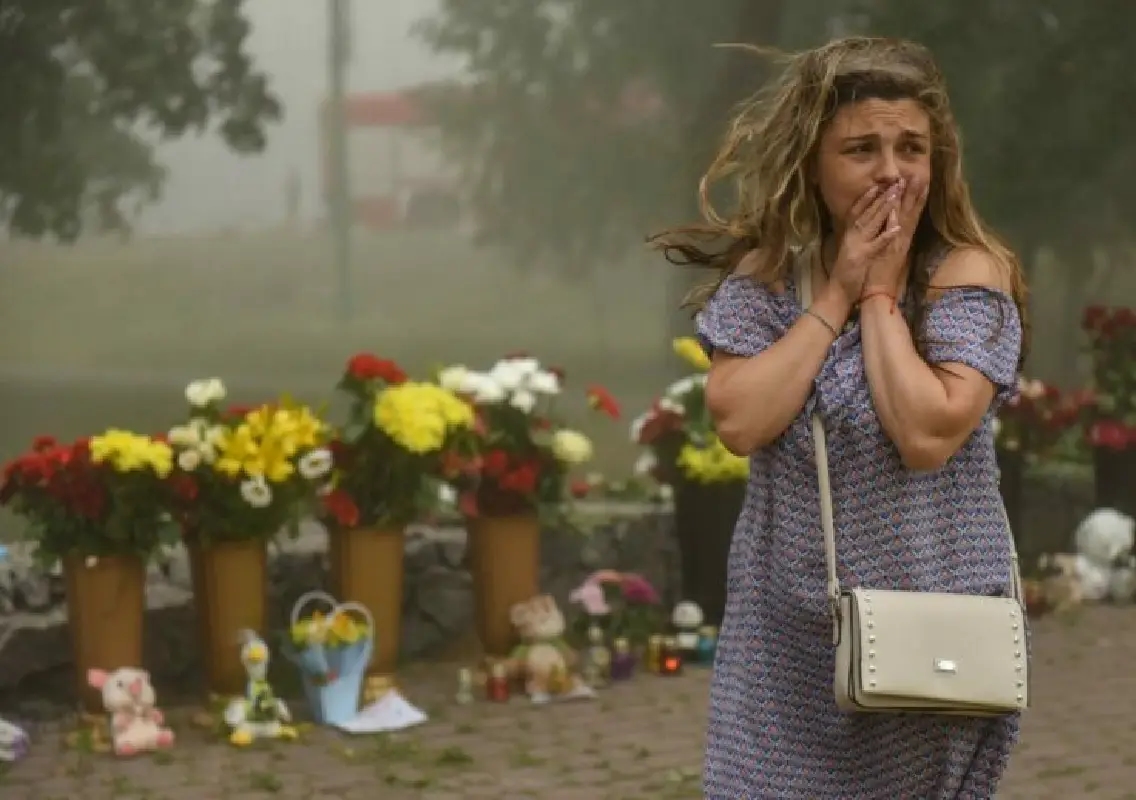


Sixty-five-year-old Halyna Popriadukhina has fled her home three times since Russia’s invasion of Ukraine began in February 2022, as fighting continues to reshape the country’s east.
Originally from Vremivka in the Donbas region, she was milking cows when missiles first struck on February 24, 2022. Urged by her son, she left behind her house and livestock, unsure if she would ever return.
A homeland at the heart of conflict
Her native Donbas — comprising the Donetsk and Luhansk regions — remains central to ongoing negotiations between Kyiv and Moscow. Volodymyr Zelenskyy has repeatedly rejected demands to cede territory, saying the issue concerns not just land but people and sovereignty.
Russia currently controls about one-fifth of Ukraine’s territory. The conflict, now entering its fifth year, has displaced nearly four million people within Ukraine, with millions more seeking refuge abroad.
Popriadukhina briefly returned to Donetsk in mid-2022, only to flee again as Russian forces advanced. After further incursions westward, she relocated to central Ukraine, where local authorities allocated her a modest house in the village of Dzenzelivka.
Loss and uncertainty
She now lives hundreds of kilometres from home, uncertain about the fate of her two sons. One disappeared after being hospitalised in Mariupol during intense fighting. The other went missing in 2023 after enlisting.
According to Ukrainian officials, tens of thousands of soldiers and civilians remain missing or have been killed since the war began.
Despite being offered relocation abroad, Popriadukhina refused to leave Ukraine. Her village, like many others, features an “Alley of Heroes” honouring fallen soldiers — a daily reminder of the war’s human cost.
As aid organisations warn of dwindling resources for internally displaced families, she reflects on a conflict that has uprooted lives and erased communities.
“Everything was lost,” she said quietly, recalling the home she once built and the uncertainty that now defines her days.