







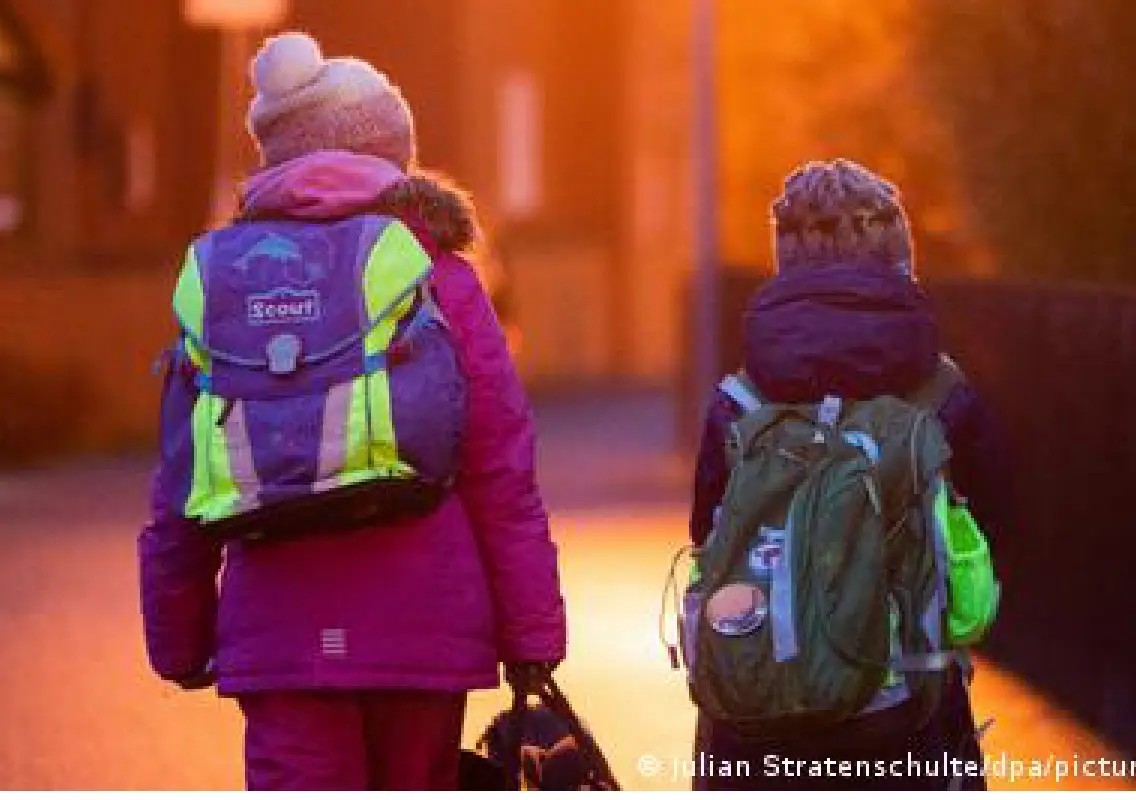


UNICEF has expressed concern over a significant decline in child well-being indicators in Germany, describing the latest findings as “alarming”.
According to UNICEF’s latest Innocenti Report Card examining child well-being across OECD and EU countries, Germany ranked 25th among 37 countries assessed on factors including education, mental health, poverty and physical well-being.
The report stated that only 60 per cent of 15-year-olds in Germany currently achieve minimum proficiency in reading and mathematics, placing the country 34th among nations with comparable educational data. UNICEF Germany reportedly termed the decline in academic performance “alarming”.
The study highlighted widening inequality between economically disadvantaged and wealthier families. While around 90 per cent of children from affluent households achieved basic educational competencies, the figure reportedly dropped to 46 per cent among children from poorer backgrounds.
Germany ranked 15th in physical health indicators and 21st in mental health among surveyed nations. UNICEF also noted that child poverty levels in the country have remained stagnant at around 15 per cent for several years.
The broader UNICEF report warned that children across wealthy countries have experienced noticeable setbacks in academic performance, mental well-being and physical health since the COVID-19 pandemic. Rising obesity rates, declining life satisfaction and learning losses caused by prolonged school closures were identified as major concerns.
The report ranked the Netherlands, Denmark and France as the top three countries for overall child well-being.
UNICEF called for stronger investment in children’s education, mental health support and healthcare systems, warning that failure to act could carry long-term social and economic consequences.#Germany #UNICEF #ChildWellbeing #Education #MentalHealth #WorldNews #newskarnataka