







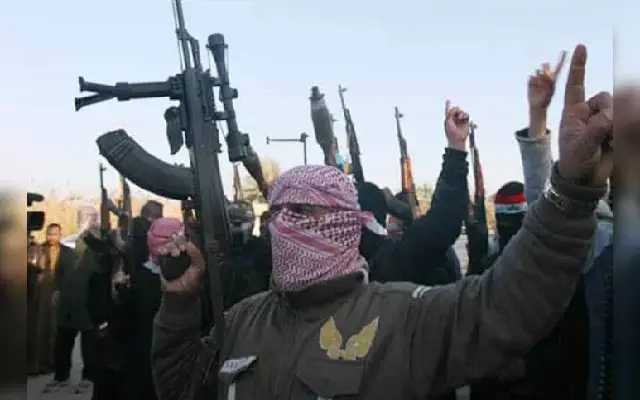


A look at history often reveals patterns that shape the future. In 1990, as global geopolitics shifted, India faced turbulence in Punjab and Kashmir while Pakistan staged military maneuvers to divert attention. At the same time, victorious militants from Afghanistan emerged, setting the stage for a new era of extremism.
The roots of Al Qaeda trace back to the 1979 Soviet invasion of Afghanistan. Supported by the US, Saudi Arabia, and Pakistan, the Afghan mujahideen evolved into a global network. Following the Soviet withdrawal, Osama bin Laden turned against the West, seeing it as the next occupying force. The Gulf War of 1990 further fueled this transformation.
History repeats itself when complacency follows intense global focus. The withdrawal of US forces from Iraq in 2011 paved the way for ISIS. Though weakened, remnants of ISIS and Al Qaeda persist in Afghanistan, Syria, and Africa, waiting for the right moment to resurface.
The destruction in Gaza risks radicalizing an entire generation. While Hamas and ISIS differ ideologically, desperation can forge new alliances. Hezbollah, backed by Iran, continues to expand its influence, while terrorist groups strengthen ties beyond borders.
While global attention remains fixated on major conflicts, these “smaller” wars are quietly shaping security dynamics in unpredictable ways. Overlooking them could prove costly.
Read Also: