







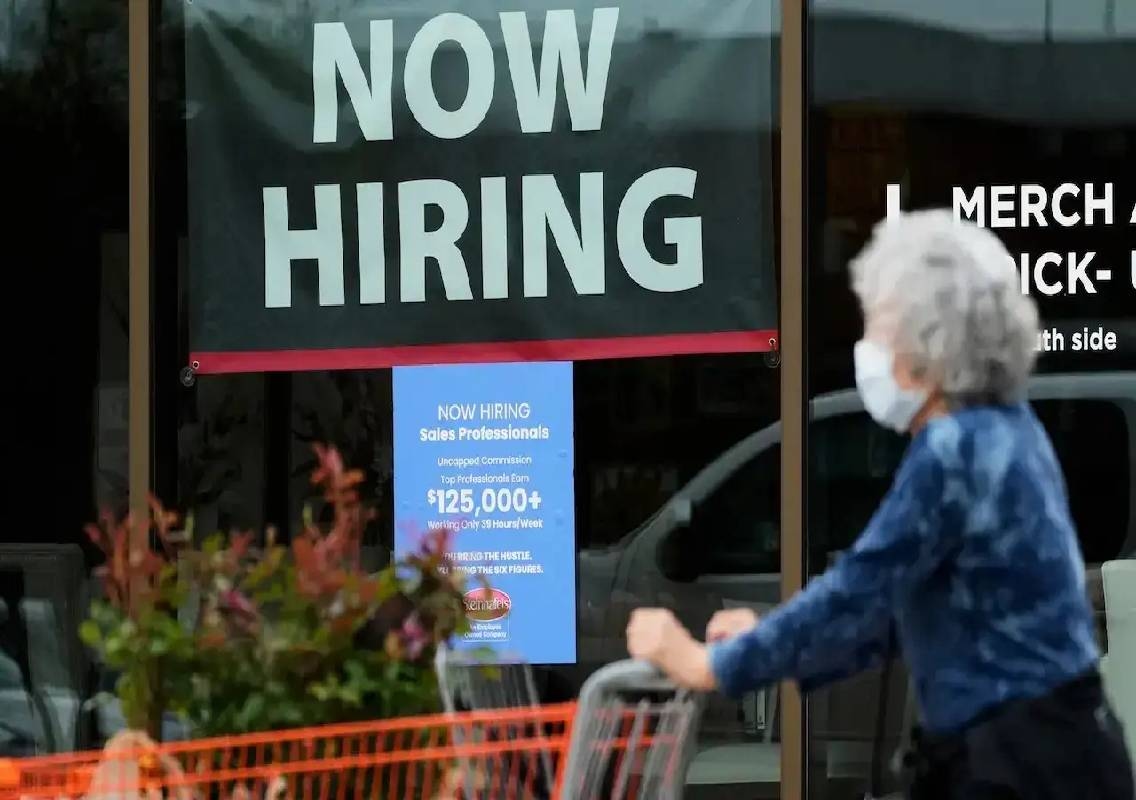


Washington DC: The United States labour market remained resilient in May, with employers adding 172,000 jobs, significantly surpassing market expectations and reinforcing confidence in the country’s economic outlook despite inflationary pressures and global uncertainties.
According to newly released government data, the unemployment rate remained unchanged at 4.3 per cent during the month, indicating continued stability in the labour market. The stronger-than-expected hiring figures suggest that businesses are maintaining confidence and continuing to expand their workforce even as policymakers navigate concerns over inflation, interest rates and geopolitical tensions.
The latest employment report is expected to play a key role in shaping discussions ahead of the US Federal Reserve’s upcoming policy meeting later this month.
Hiring growth exceeds forecasts
Economists had projected the addition of approximately 80,000 jobs in May. However, actual job creation more than doubled those estimates, with employers adding 172,000 positions across various sectors of the economy.
The strong performance was further supported by revisions to previous employment figures. The Bureau of Labor Statistics revised job growth numbers for March and April upwards by a combined 93,000 jobs, indicating that labour market conditions were stronger than initially reported.
The revisions provide additional evidence that businesses have continued hiring at a healthy pace despite concerns about slowing economic growth and rising costs.
Analysts noted that stronger hiring activity reflects ongoing demand for workers across multiple industries and demonstrates that employers remain optimistic about business conditions in the near term.
Labour market continues to show resilience
The latest jobs report adds to a growing list of indicators pointing to continued strength in the US employment market.
Earlier in the week, the US Labor Department reported that job openings increased to 7.6 million in April. At the same time, layoffs, resignations and employee discharges remained broadly stable, suggesting that labour demand continues to outpace supply in many sectors.
A stable unemployment rate combined with rising job vacancies has reinforced the view that the labour market remains one of the strongest components of the US economy.
Economic experts believe that steady employment growth is helping support consumer spending, which remains a major driver of economic activity across the country.
Private-sector hiring remains healthy
Additional evidence of labour market strength came from payroll processing company ADP, which reported that private-sector employers added 122,000 jobs during May.
The gains were spread across most industries and business sizes, indicating broad-based hiring activity rather than growth concentrated in a few sectors.
According to ADP’s report, only the information technology and natural resources sectors experienced declines in hiring during the month.
ADP Chief Economist Nela Richardson said the latest data reflected a more balanced and widespread hiring environment than in recent years.
She noted that employers appear increasingly confident as the summer hiring season approaches, contributing to stronger labour market momentum despite economic headwinds.
The broad distribution of hiring gains suggests that many companies continue to see opportunities for growth and expansion.
Focus shifts to Federal Reserve policy
The employment report arrives just days before the Federal Reserve’s June policy meeting, where officials are expected to assess the latest economic data before making decisions on interest rates.
Financial markets broadly expect the central bank to leave rates unchanged for now.
Typically, signs of labour market weakness can encourage central banks to lower interest rates in an effort to stimulate economic growth. However, policymakers remain cautious because lower borrowing costs can also increase inflationary pressures.
The Federal Reserve has been balancing two key objectives: maintaining price stability while supporting maximum employment.
Strong job growth may provide policymakers with additional flexibility to keep rates steady as they continue monitoring inflation trends.
Trump administration calls for lower rates
The employment report also comes amid continued calls from President Donald Trump’s administration for lower interest rates.
Administration officials have argued that rate reductions would help stimulate investment, support business expansion and strengthen overall economic growth.
However, many economists believe that Federal Reserve policymakers are unlikely to support immediate rate cuts given ongoing concerns about inflation and the potential risks of easing monetary policy too quickly.
The central bank has repeatedly stressed that future policy decisions will depend on incoming economic data, including employment, inflation and consumer spending trends.
Strong jobs market supports economic outlook
The latest figures highlight the continued strength of the US labour market at a time when global economic uncertainty remains elevated.
Rising geopolitical tensions, persistent inflation concerns and slower growth in several major economies have raised questions about the durability of economic expansion. However, steady hiring and low unemployment continue to provide support for the US economy.
A strong labour market generally boosts household incomes, consumer confidence and spending, helping to offset broader economic challenges.
Conclusion
The addition of 172,000 jobs in May and a stable unemployment rate of 4.3 per cent demonstrate the resilience of the US labour market amid economic uncertainty. With hiring continuing to exceed expectations and job openings remaining elevated, employment remains a key pillar supporting the world’s largest economy. The latest data is also likely to strengthen expectations that the Federal Reserve will maintain a cautious approach to interest rate policy in the months ahead.