







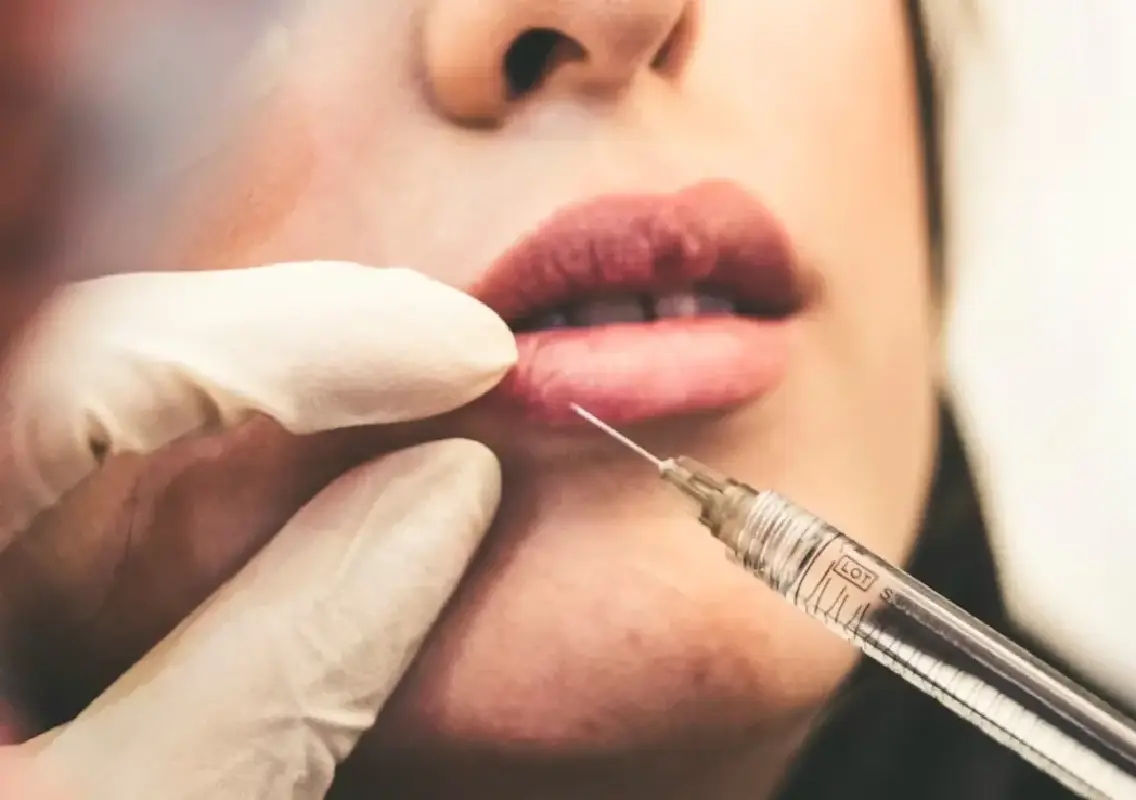


A new and controversial cosmetic procedure gaining traction in the United States has ignited debate over medical safety and ethics, as clinics begin offering injectable fillers made from cadaver-derived fat to enhance the body.
The procedure is being marketed under the brand Tiger Aesthetics’s product AlloClae, which uses processed human fat tissue donated for medical use. The filler is promoted as an alternative for patients who lack sufficient body fat for traditional cosmetic procedures such as the Brazilian Butt Lift (BBL).
The trend drew public attention after a 34-year-old Manhattan-based financial professional told the New York Post that she spent nearly ₹40 lakh on the procedure to enhance her hips and buttocks and correct complications from earlier liposuction. She described the material as “ethically sourced”, stating that donated tissue is routinely used in medicine.
How the procedure works
According to doctors, the fat is taken from registered organ and tissue donors and processed into an acellular fat matrix, with all DNA and living cells removed to minimise immune reactions. Plastic surgeon Darren Smith said the treatment is often sought by thin patients or those who have lost significant weight using medications such as Ozempic and Mounjaro.
Unlike traditional surgery, the filler is injected during short in-office procedures without general anaesthesia. Surgeons told Business Insider that sessions typically last under an hour and involve minimal downtime.
Costs, risks and ethical questions
Procedures reportedly cost between $10,000 and $100,000, depending on volume. However, medical experts warn of potential risks, including infection, fat necrosis, embolism, and complications in breast cancer screening.
The trend has also raised ethical concerns, with critics questioning whether donors fully consented to their tissue being used for elective cosmetic enhancement rather than life-saving treatment. As demand grows, regulators and medical bodies are expected to closely scrutinise both safety standards and consent practices surrounding the procedure.