







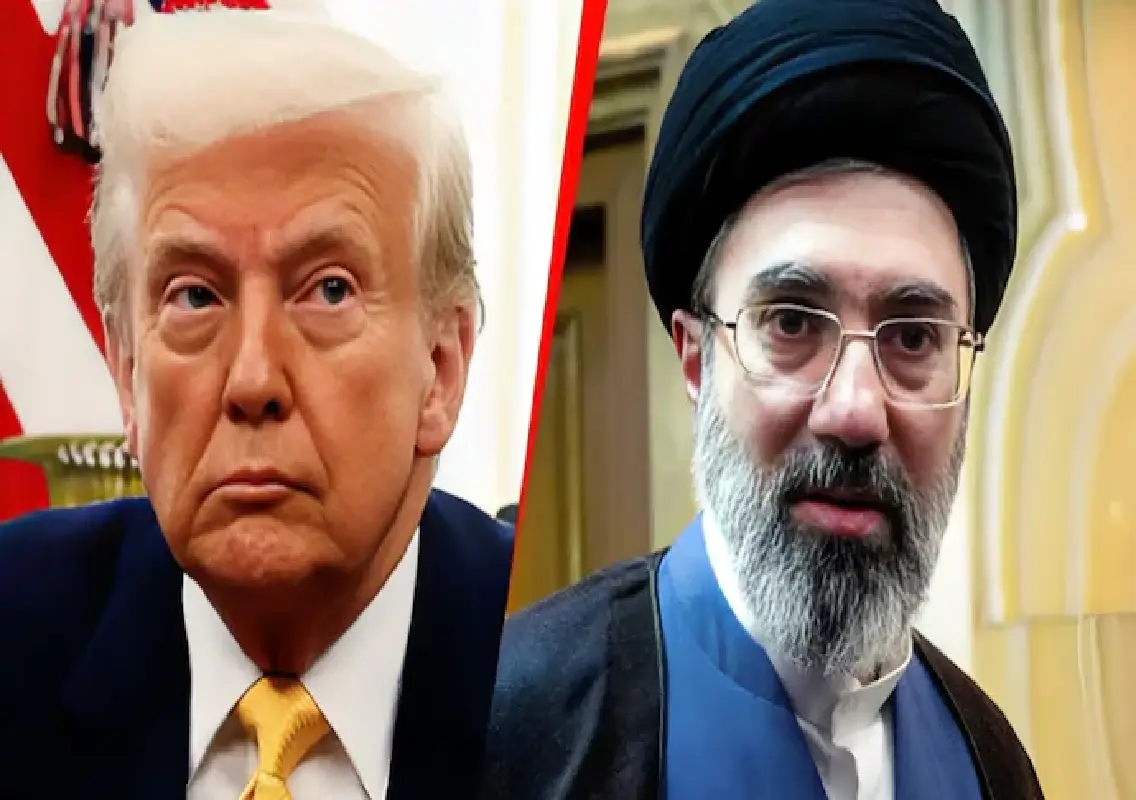


The United States and Iran are reviewing a proposed framework aimed at ending ongoing hostilities in the Middle East, even as Tehran has firmly stated that it will not reopen the strategically crucial Strait of Hormuz as part of any temporary ceasefire.
Two-phase ceasefire proposal
The proposed plan outlines a two-step process, beginning with an immediate ceasefire, followed by negotiations toward a broader and more comprehensive agreement.
According to sources, the initiative—tentatively referred to as the “Islamabad Accord”—has involved backchannel discussions among key international figures. Asim Munir is reportedly in continuous contact with JD Vance, US special envoy Steve Witkoff, and Iranian Foreign Minister Abbas Araqchi.
Earlier reports suggested that a 45-day ceasefire is being considered as part of the initial phase, which could eventually pave the way for a long-term resolution.
Iran firm on Hormuz position
Iran has maintained a hardline stance on the reopening of the Strait of Hormuz, a vital global energy corridor through which nearly 20 per cent of the world’s oil and natural gas passes.
Senior officials in Tehran have indicated that the country will not accept external pressure or deadlines regarding decisions on the waterway, making it a key sticking point in negotiations.
US warning escalates tensions
The development comes amid heightened rhetoric from Donald Trump, who has warned of potential strikes on Iran’s energy and transport infrastructure if Tehran fails to comply with demands to reopen the Strait.
Trump, in a strongly worded message, extended a deadline for Iran to act, while also signalling that negotiations remain ongoing. However, he cautioned that failure to reach an agreement could lead to severe military consequences.
Ongoing conflict and global impact
The talks are taking place against the backdrop of continued military escalation. Fresh aerial strikes have been reported across the region, more than five weeks after the United States and Israel launched sustained operations against Iran on February 28.
The conflict has resulted in thousands of casualties and triggered a sharp rise in global oil prices, reflecting growing concerns over supply disruptions.
In response to the attacks, Iran has effectively shut down the Strait of Hormuz and carried out retaliatory strikes targeting US and Israeli military positions, as well as energy infrastructure across the Gulf region.
Conclusion
While diplomatic efforts appear to be gaining momentum, significant differences remain, particularly over the status of the Strait of Hormuz. The coming days will be crucial in determining whether the proposed ceasefire can hold or if tensions will escalate further, with wide-ranging implications for global security and energy markets.