







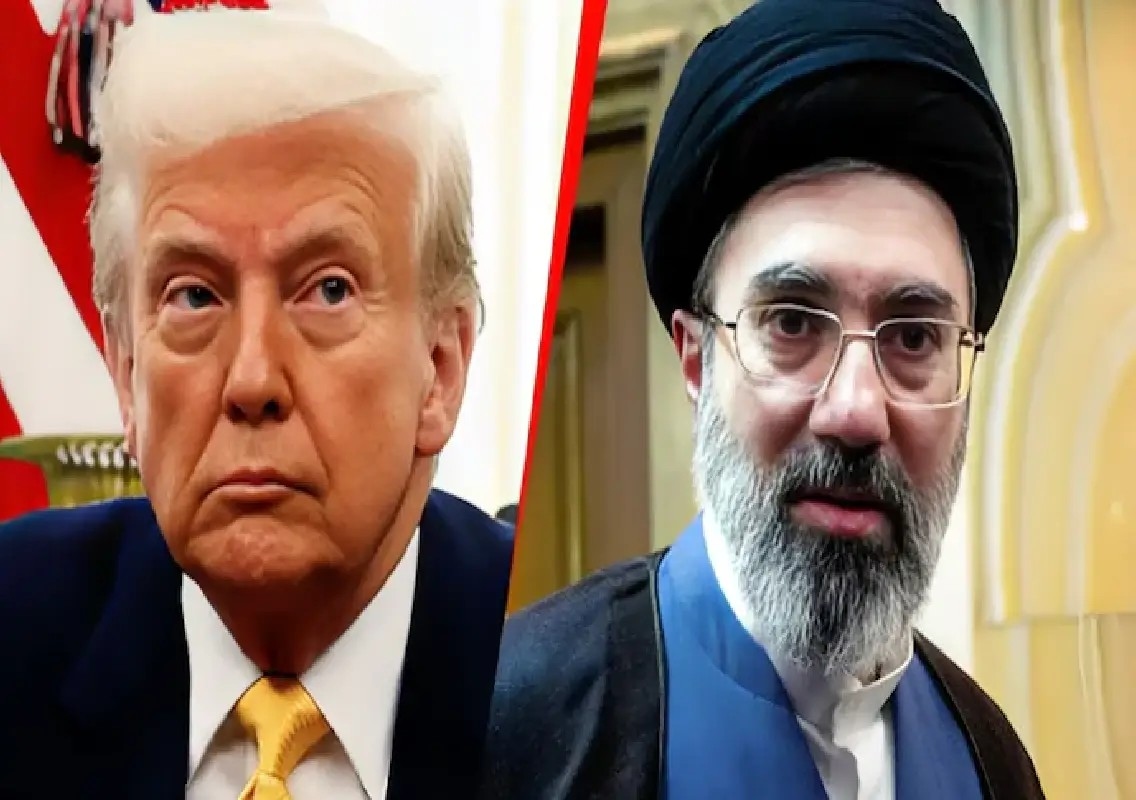


Washington: The United States and Iran continue to remain divided over key issues including Tehran’s enriched uranium stockpile and control over the strategically important Strait of Hormuz, even as both sides indicated limited progress in ongoing negotiations aimed at reducing tensions and preventing a wider regional crisis.
Recent discussions between the two countries have reportedly shown signs of movement, though officials on both sides have maintained a cautious approach regarding expectations of a breakthrough.
Limited progress reported in negotiations
US Secretary of State Marco Rubio said there had been encouraging developments during the latest round of discussions, while stressing that it was too early to predict an outcome.
According to reports, Iranian officials also acknowledged that while a final agreement had not yet been reached, differences between the two sides had narrowed in recent days.
Despite these developments, major disagreements continue to remain unresolved and are expected to shape the direction of future talks.
Uranium stockpile remains major point of dispute
One of the key issues in the negotiations concerns Iran’s enriched uranium reserves.
The United States has repeatedly expressed concerns regarding Iran’s nuclear activities and the possibility that highly enriched uranium could potentially be used for military purposes.
US President Donald Trump reportedly reiterated Washington’s opposition to Iran retaining highly enriched uranium stockpiles and adopted a firm position on the matter.
Iran, however, has consistently maintained that its nuclear programme is intended solely for peaceful purposes.
Iranian officials reportedly stated that there has been no indication of willingness to transfer enriched uranium outside the country.
Strait of Hormuz issue adds to tensions
Another major area of disagreement concerns the Strait of Hormuz, one of the world’s most important shipping routes for oil and gas transportation.
The United States has opposed any restrictions or fees on international shipping using the waterway, describing it as an important route for global trade.
Iran, meanwhile, has continued to emphasise its position regarding regional security and maritime interests in the area.
Officials from Tehran reportedly argued that recent regional developments have altered security conditions and that measures may be necessary to protect national interests.
Energy markets closely monitoring developments
The continuing diplomatic deadlock has also generated concerns within global energy markets.
Analysts have indicated that uncertainty surrounding developments in the Strait of Hormuz could influence oil supply chains and international fuel prices.
Reports suggested that shipping activity through the waterway remains below normal levels compared to previous periods.
Observers noted that any prolonged disruption involving one of the world’s most important energy corridors could have broader economic implications.
Mediation efforts continue amid regional concerns
Meanwhile, diplomatic efforts through various channels are continuing in an attempt to keep communication open between the two sides.
Officials involved in discussions have reportedly indicated that efforts are underway to accelerate exchanges and reduce delays in negotiations.
Despite ongoing dialogue and temporary easing of tensions, analysts believe significant challenges remain before any comprehensive agreement can be reached.
The negotiations continue against the backdrop of concerns surrounding regional stability, energy security and broader geopolitical tensions.