







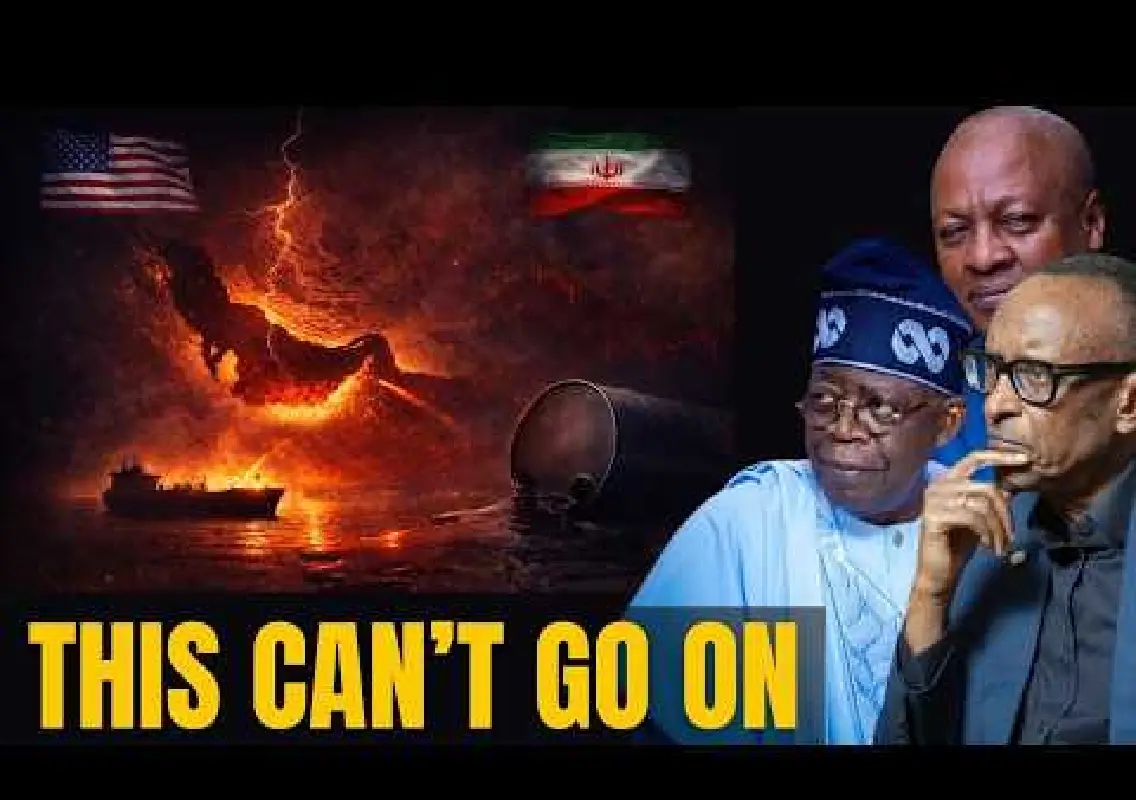


The ongoing conflict between the United States and Iran is sending shockwaves far beyond the Middle East, with African nations already experiencing economic strain, travel disruptions and rising political tensions.
Missile strikes and escalating military action in the Gulf have forced African travellers to take shelter, grounded flights across key transit hubs and separated families stranded in airports across the region.
Analysts say the crisis is beginning to affect oil markets, food prices and currency stability across Africa, exposing the continent’s vulnerability to global conflicts.
African leaders voice concern
Leaders across the continent have warned that the conflict could worsen inflation and economic pressures.
In Senegal, officials warned that rising energy prices could place additional strain on households already dealing with inflation.
The African Union has expressed concern about the potential disruption to energy markets, global food supply chains and fragile economies in developing regions.
Meanwhile, Cyril Ramaphosa of South Africa condemned the escalation and called for diplomacy, describing the unfolding violence as “madness” and urging global powers to pursue dialogue.
Authorities in Nigeria are also managing protests in several northern states following developments in the conflict.
Strategic ties with the Middle East
Africa’s close economic and geographic ties to the Middle East mean the effects of the war are quickly felt across the continent.
Regions bordering the Red Sea — including Djibouti, Somalia, Eritrea, Sudan and Ethiopia — are particularly sensitive to disruptions in Gulf trade and shipping routes.
When airspace restrictions are imposed in Gulf hubs such as Dubai, travellers from major African cities like Johannesburg and Nairobi are often stranded.
Similarly, rising oil prices quickly translate into higher transport, electricity and food costs across the continent.
Calls for a unified African response
While several governments have issued statements, analysts say Africa’s response has remained fragmented.
Experts argue that a coordinated diplomatic approach through the African Union could give the continent greater influence in global discussions about the conflict.
They note that Africa’s historical experience with proxy wars and geopolitical rivalries — particularly during the Cold War — gives it a unique perspective on the dangers of escalating global conflicts.
As tensions continue to reshape international alliances and economic systems, many observers believe Africa faces a critical choice: whether to remain reactive to global crises or assert a stronger, unified voice in international diplomacy.