









A significant diplomatic push to ease tensions in the Middle East is set to begin with high-level talks in Islamabad, signalling a shift from confrontation to negotiation. The discussions, backed by the United States, come amid evolving positions on Iran and renewed global efforts to stabilise the region.
High-level delegation to attend talks
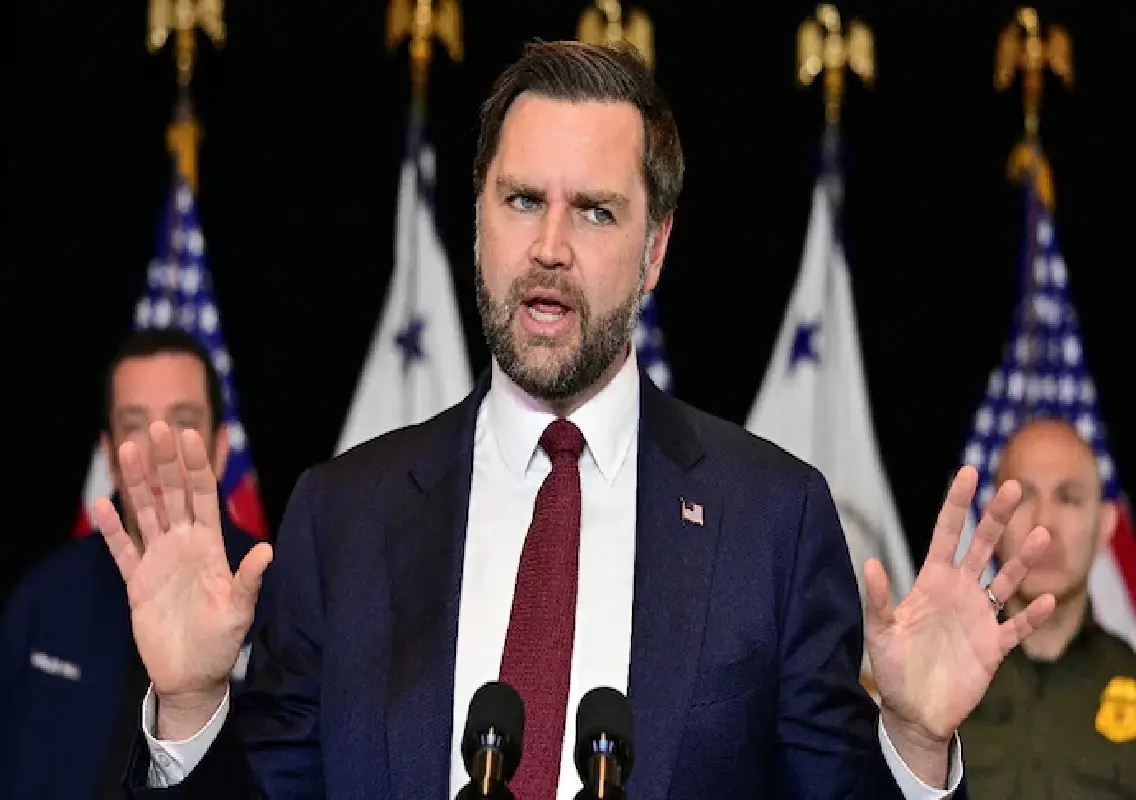
According to White House spokesperson Karoline Leavitt, US Vice President JD Vance will lead the American delegation for the negotiations in Islamabad.
He will be joined by senior advisers Jared Kushner and Steve Witkoff. The first round of in-person discussions is scheduled to take place on Saturday morning local time.
Officials have expressed optimism about the meetings, indicating that diplomatic engagement is gaining momentum after weeks of heightened tensions.
Shift from confrontation to diplomacy
The announcement reflects a strategic shift towards dialogue, even as the White House continues to maintain a firm public stance. Leavitt stated that recent US and Israeli military actions, which began on February 28, have significantly weakened Iran’s ability to arm proxy groups in the region.
She claimed that Iran can no longer effectively distribute weapons to allied groups, suggesting that the military campaign has altered the balance of power ahead of negotiations.
Focus on Strait of Hormuz reopening
A key priority for Washington remains the reopening of the Strait of Hormuz, a vital global shipping corridor.
Leavitt emphasised that Donald Trump wants the waterway to remain fully open without any restrictions, including tolls or limitations on commercial traffic.
The strait handles nearly 20 per cent of the world’s seaborne oil and liquefied natural gas (LNG) flows, making it one of the most critical chokepoints in global energy supply. Officials noted that there has already been a slight increase in vessel movement through the route, despite ongoing uncertainty.
Iran proposals under review
Leavitt revealed that an earlier 10-point proposal submitted by Iran was rejected outright by the US administration, describing it as “unacceptable.”
However, a revised proposal presented more recently has opened the door for negotiations. The updated framework is said to align more closely with a US-backed 15-point proposal, raising hopes for a potential breakthrough.
Diplomatic activity intensifies
The Islamabad talks come amid a flurry of diplomatic engagements. President Trump recently held discussions with Israeli Prime Minister Benjamin Netanyahu, while US officials have also engaged with China at senior levels.
Leavitt also indicated that Iran may be willing to hand over enriched uranium, a key sticking point in previous negotiations and a major concern for global security.
Conclusion
The upcoming talks in Islamabad represent a crucial moment in efforts to de-escalate tensions involving Iran. With key global players actively engaged and revised proposals on the table, the negotiations could shape the next phase of Middle East diplomacy and impact global energy stability.