









Nebraska: Sixteen American passengers evacuated from the hantavirus-affected MV Hondius cruise ship have arrived at the specialised quarantine facility at the University of Nebraska Medical Center, where they are currently under medical observation following concerns linked to the Andes strain of hantavirus.
The passengers were shifted early Monday to the Davis Global Center in Omaha, home to the United States’ only federally funded quarantine unit specifically designed for managing highly infectious diseases and high-risk biological threats.
The facility previously treated Ebola patients in 2014 and also handled some of the earliest American COVID-19 cases linked to the Diamond Princess cruise ship outbreak during the pandemic.
Health officials said the current operation forms part of a coordinated international response after a hantavirus outbreak was reported aboard the Dutch expedition cruise vessel MV Hondius.
One passenger tests positive
According to the United States Department of Health and Human Services, one passenger tested “mildly PCR positive” for hantavirus but currently remains asymptomatic.
Another passenger reportedly developed mild symptoms, including a cough that later subsided. Both individuals were transported using specialised biocontainment systems as a precautionary measure.
The passenger who tested positive was shifted immediately to the facility’s advanced biocontainment treatment unit, while the remaining passengers are being housed inside the National Quarantine Unit for observation and further assessment.
Medical authorities stressed that the passengers are currently being monitored closely for symptoms including fever, fatigue, muscle pain and respiratory complications.
Facility equipped for high-risk outbreaks
Dr Michael Ash, CEO of Nebraska Medicine, explained that the quarantine facility is specifically designed to safely manage highly infectious diseases.
According to Ash, the quarantine unit can accommodate up to 20 asymptomatic individuals in isolated rooms equipped with dedicated oxygen air exchange systems and advanced air filtration technology.
Each room operates under negative pressure conditions and contains independent air supplies along with HEPA filtration systems aimed at preventing airborne contamination.
The facility also uses specially treated waste and water disposal systems, while healthcare workers are required to wear enhanced personal protective equipment fitted with independent air supply mechanisms.
“Our quarantine unit can host 20 asymptomatic individuals with individual oxygen air exchange systems, so each person is very safely monitored,” Ash said.
He added that patients showing symptoms can immediately be shifted to the biocontainment unit capable of handling intensive care treatment if necessary.
Long monitoring period ahead
Health officials said passengers will continue to remain under close medical observation due to the relatively long incubation period associated with the Andes strain of hantavirus.
The incubation period can extend up to 42 days after exposure.
Passengers who remain asymptomatic and are considered low-risk may not require routine PCR testing but will still undergo continuous monitoring.
After initial evaluation in Nebraska, most passengers are expected to return to their home states under strict supervision from local health departments for the remainder of the 42-day monitoring period.
Authorities said private transport arrangements would be used for passengers cleared to travel in order to minimise public exposure risks.
What makes the Andes strain different
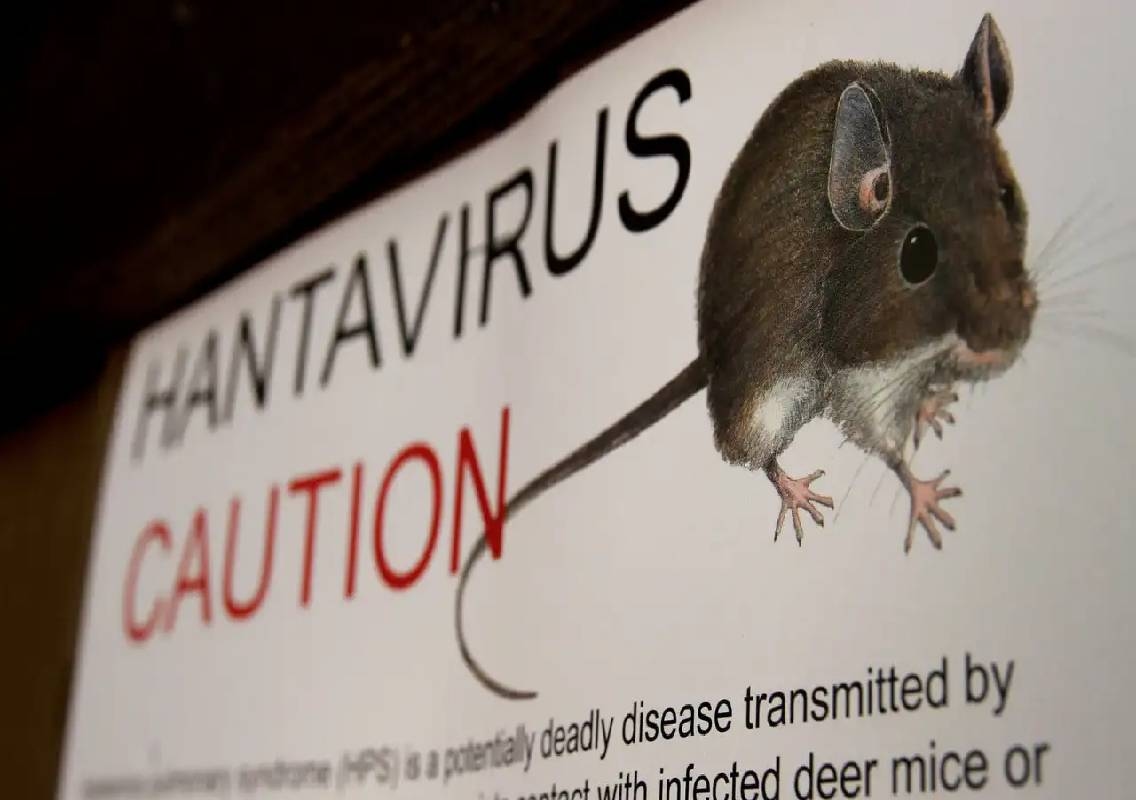
Hantaviruses are generally transmitted to humans through contact with infected rodents or their saliva, urine and droppings.
However, the Andes strain is considered unique because it is the only known hantavirus variant capable of limited person-to-person transmission under close-contact conditions.
Health officials nevertheless emphasised that the overall risk to the general public remains very low.
Experts said transmission has historically been linked only to prolonged and close exposure to symptomatic patients rather than casual public contact.
Dr Ash expressed confidence in the preparedness of the Nebraska facility to handle the situation safely.
“We have safely treated highly infectious patients before. We’ve prepared for this. We run drills, we train our staff very carefully. This is part of our identity,” he said.
The latest development comes as international health authorities continue monitoring the broader hantavirus outbreak linked to the MV Hondius expedition cruise ship.