







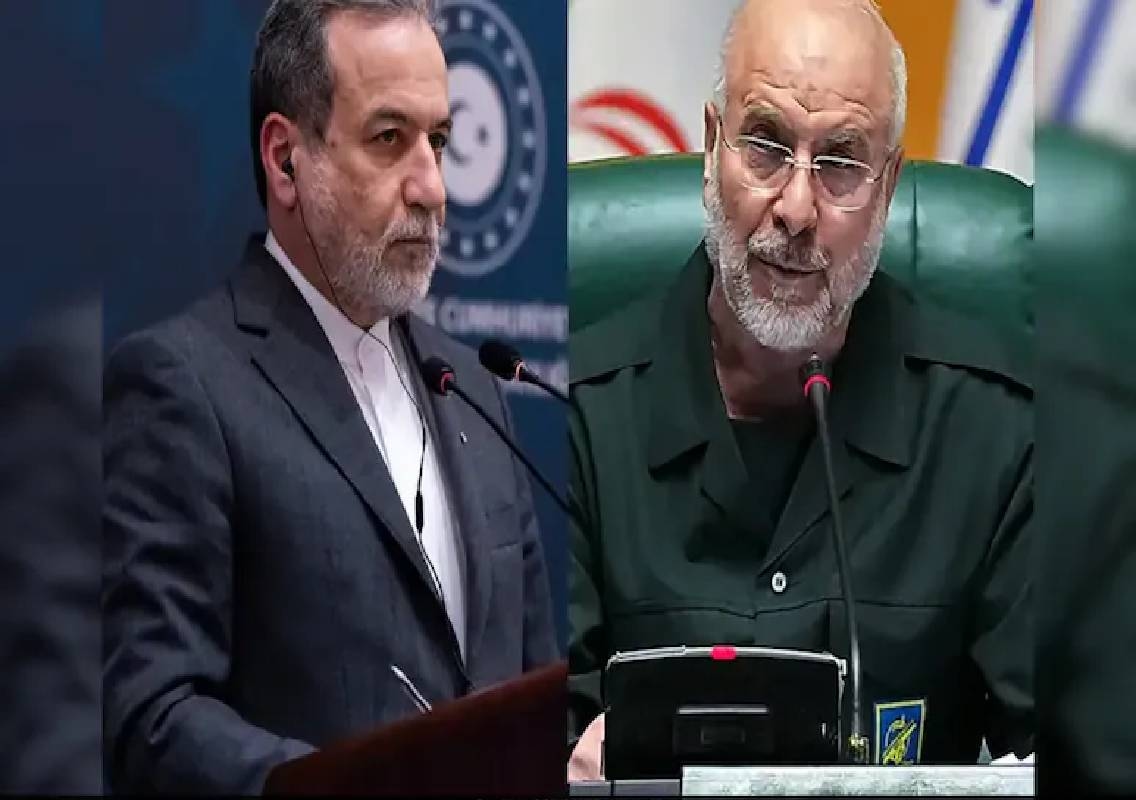


Washington: The United States reportedly intervened behind the scenes to prevent Israel from targeting two of Iran’s top negotiators during sensitive ceasefire talks, fearing such an assassination would derail diplomacy and reignite conflict across the Middle East, according to a report by The New York Times.
The report claims Washington asked its regional allies to quietly warn Tehran about a possible Israeli plot against Iranian Foreign Minister Abbas Araghchi and Parliament Speaker Mohammad Bagher Ghalibaf while negotiations were underway to establish a ceasefire and reopen the Strait of Hormuz.
The two Iranian leaders have played central roles in negotiations with regional countries and the United States aimed at creating a framework for future discussions on Iran’s nuclear programme and restoring maritime stability in the Gulf.
US feared assassination would collapse peace efforts
According to The New York Times, US officials believed that any attempt by Israel to assassinate Araghchi or Ghalibaf during negotiations would have destroyed the fragile diplomatic process and triggered another round of fighting.
The report says Washington was particularly concerned because both leaders were regarded as the primary Iranian interlocutors capable of engaging in meaningful negotiations with the United States and regional partners.
The alleged intervention highlights the differing priorities that emerged between Washington and Tel Aviv as the conflict evolved. While both countries initially supported military pressure on Iran, the United States later shifted its focus towards securing a negotiated settlement, whereas Israel reportedly continued pursuing broader strategic objectives against Iran’s leadership.
Israeli campaign targeted senior Iranian leadership
According to the report, Israel’s military campaign has focused extensively on eliminating senior Iranian political and military figures since the conflict began on February 28.
Among those reportedly killed in Israeli strikes were Iran’s Supreme Leader Ali Khamenei, senior national security official Ali Larijani and several other high-ranking figures. Reports indicate that more than 50 senior Iranian leaders have been targeted during the conflict.
US officials reportedly feared that extending those operations to include negotiators such as Araghchi and Ghalibaf would eliminate the very officials needed to negotiate an end to hostilities.
The report also states that Israel had previously targeted officials considered relatively pragmatic by Washington, including former Foreign Minister Kamal Kharazi and Ali Larijani, both of whom had reportedly participated in diplomatic discussions before being killed.
Target list reportedly revised after US intervention
The report cites earlier accounts suggesting that Araghchi and Ghalibaf were placed on an Israeli target list before being temporarily removed following requests from the United States.
According to reports, Washington learned that Ghalibaf, in particular, had become a potential target during renewed ceasefire discussions and urged Israel not to proceed with any operation against him.
The report further claims that Ghalibaf narrowly escaped death during separate Israeli attacks, including one strike on a secret underground meeting involving senior Iranian officials.
Iranian officials reportedly said he survived after being rescued from beneath the rubble following one of those attacks.
Iranian delegation adopted extra security measures
As negotiations progressed, Iranian authorities reportedly introduced extensive security measures to protect senior officials travelling abroad.
According to the report, Araghchi and Ghalibaf sought security assurances from the United States through Pakistani and Qatari intermediaries before travelling to Islamabad for talks with US Vice President JD Vance.
Pakistani fighter aircraft reportedly escorted the Iranian delegation’s aircraft during its journey to and from Islamabad.
However, the return journey was reportedly disrupted after intelligence suggested a possible Israeli security threat. The aircraft carrying the delegation made an emergency landing in Mashhad, near Iran’s border with Pakistan, before the officials completed the remaining journey to Tehran by road.
Senior adviser Mahdi Mohammadi later described the incident on social media, saying the delegation altered its travel plans due to security concerns.
Negotiations continued despite reported threats
Despite the reported risks, Araghchi and Ghalibaf continued participating in diplomatic engagements over the following weeks.
The two officials later travelled to Qatar for further regional discussions before attending another round of talks with US representatives in Switzerland. Araghchi also travelled to India for the BRICS Foreign Ministers’ meeting, reflecting Tehran’s continued diplomatic outreach.
Iranian officials described the negotiators’ willingness to travel despite the reported assassination threats as a significant personal sacrifice in pursuit of peace.
Diverging US and Israeli objectives
The reported episode illustrates growing differences between American and Israeli strategic goals regarding Iran.
While the Trump administration reportedly prioritised securing a ceasefire and reopening diplomatic channels, Israeli leaders remained focused on weakening Iran’s political leadership, military capabilities and regional influence.
According to the report, Israeli officials feared that a negotiated settlement could strengthen Iran economically without permanently limiting its nuclear ambitions or reducing the influence of the Islamic Revolutionary Guard Corps.
For Washington, however, preserving diplomatic channels with Iranian negotiators became increasingly important as efforts shifted from military confrontation to political negotiations.
The reported intervention underscores the delicate balance the United States sought to maintain between supporting its ally Israel while preventing actions that could undermine broader regional stability and derail ongoing peace efforts.