







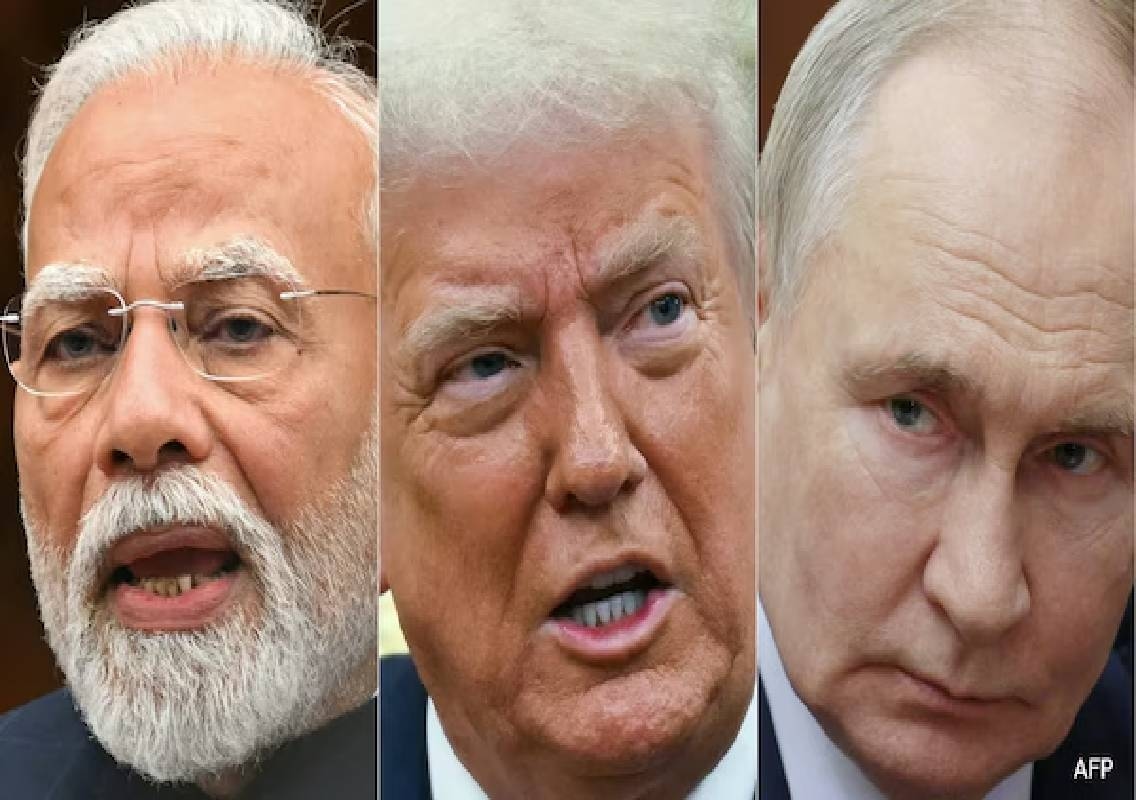


Washington: The US Senate has overwhelmingly passed a sweeping Russia sanctions bill that could allow President Donald Trump to impose tariffs of up to 100% on countries continuing to buy Russian oil and other energy products. The legislation, backed by the late Republican Senator Lindsey Graham, puts major buyers including India and China under renewed pressure as Washington seeks to cut Moscow’s energy revenues and weaken its ability to finance the war in Ukraine.
The Lindsey O. Graham Sanctioning Russia and Iran Act of 2026 was approved by an 86-11 vote on August 7, securing strong bipartisan support. However, the bill has not yet become law and still faces consideration in the US House of Representatives.
Senate approves sanctions bill
The Senate vote marks a major step forward for legislation that had been under discussion in Washington for months.
The bill seeks to intensify economic pressure on Russia over its continuing war in Ukraine. It also contains provisions targeting Iran and gives the US President significant new authority to penalise countries that continue substantial trade with Moscow.
The legislation was championed by Lindsey Graham, a prominent supporter of Ukraine who died recently. It was renamed in his honour as the Lindsey O. Graham Sanctioning Russia and Iran Act of 2026.
India and China in focus
One of the most significant provisions for India is the potential use of 100% tariffs against major buyers of Russian energy.
India and China remain among the world’s biggest purchasers of Russian crude oil. The proposed measure is intended to discourage such purchases by making trade with the United States significantly more expensive for countries that continue to support Russia’s energy revenues.
The legislation focuses on the top five buyers of Russian oil and gas rather than automatically applying the maximum tariff to every country importing Russian energy.
Tariff is not imposed yet
Despite headlines about a 100% tariff on India, the Senate vote does not mean that such a tariff has been imposed.
The bill must still clear the House before it can reach Trump’s desk. The House is expected to consider the legislation after lawmakers return from recess on August 31.
There are also questions over how broadly the tariff authority would ultimately be used and what conditions or exemptions could apply.
Trump could receive sweeping powers
If enacted, the bill would give Trump considerable authority to impose secondary tariffs on countries purchasing Russian energy.
The legislation is designed to put pressure not only on Moscow but also on countries whose purchases continue to provide Russia with substantial energy revenue. The measure therefore represents a broader shift from directly sanctioning Russia towards targeting important commercial partners as well.
The Senate also rejected attempts to remove the tariff authority, although additional guardrails are expected to be incorporated into its implementation.
Why Russian oil matters to India
India has significantly increased its purchases of Russian crude since the Ukraine war disrupted traditional global energy trade.
Discounted Russian crude has provided Indian refiners with an important source of relatively competitive energy, while the trade has also allowed Moscow to maintain significant export revenues despite Western sanctions.
A potential 100% US tariff could therefore create a difficult choice for New Delhi between maintaining access to Russian crude and protecting India’s exports to the American market.
Possible impact on India-US trade
If the measure eventually becomes law and is applied to India, the consequences could extend beyond the oil sector.
A 100% tariff would substantially raise the cost of Indian goods entering the US market, potentially affecting exporters across sectors. Companies dependent on the American market could face pressure on margins, while some exporters could seek alternative markets or reassess supply chains.
The development could also add another layer of tension to ongoing India-US trade negotiations.
House vote remains crucial
The next major test for the legislation will come in the House of Representatives.
While the Senate vote showed strong bipartisan support, there is greater uncertainty in the House, particularly over provisions giving the President broad tariff powers. Some lawmakers have expressed concerns that such authority could be used too widely or create economic and diplomatic complications.
The bill’s final form could therefore change before it reaches Trump.
Pressure on Russia intensifies
For Ukraine and its allies, the Senate vote represents another attempt to increase the economic cost of Russia’s continued military campaign.
The legislation aims to target the energy revenues that have helped sustain Russia’s economy during the war. By threatening major energy buyers with secondary tariffs, Washington hopes to make continued purchases of Russian oil and gas less attractive.
Conclusion
The US Senate’s passage of the Russia sanctions bill has put India and China in the spotlight over their purchases of Russian energy, with the legislation allowing for potential tariffs of up to 100%. However, the measure is not yet law and no new 100% tariff has been imposed on India.
The bill must still pass the House, where its broad tariff powers could face further debate. For India, the development could become a significant economic and diplomatic challenge if Washington ultimately uses the proposed measures against major Russian oil buyers.