







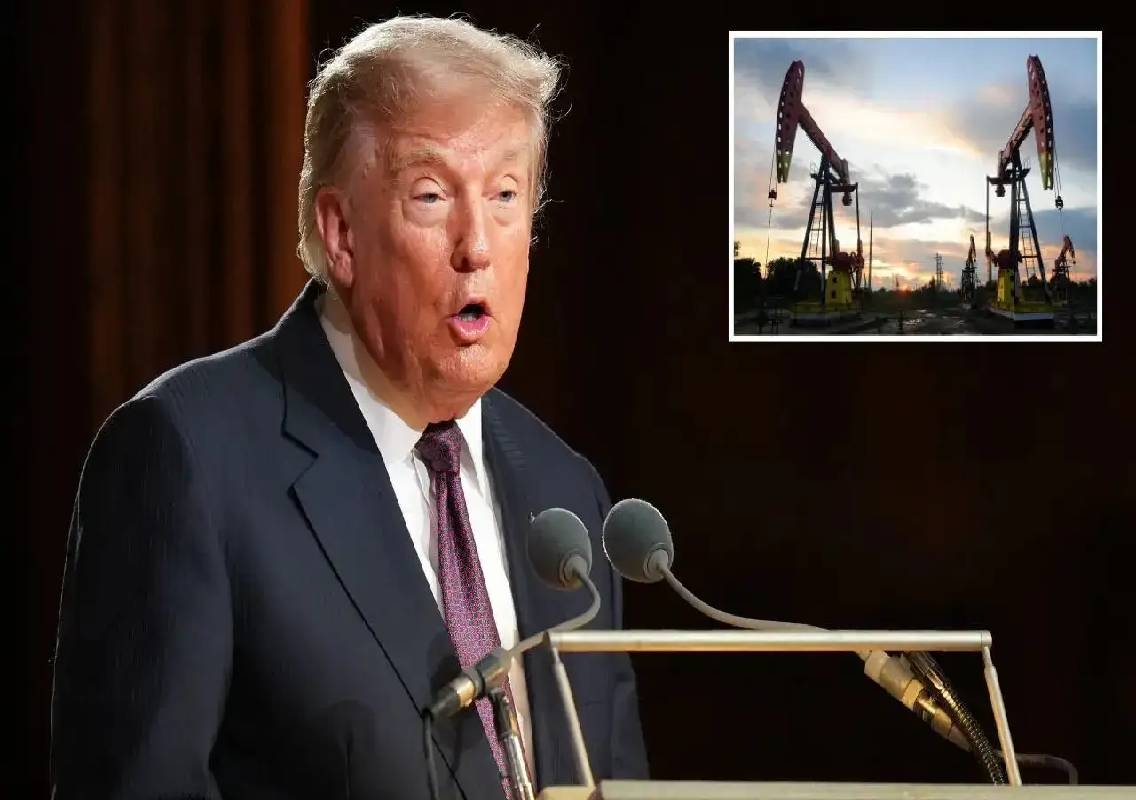


Washington, D.C.: The US Senate has advanced a bipartisan sanctions bill targeting Russia, moving it one step closer to becoming law. The proposed legislation seeks to tighten economic pressure on Moscow over the war in Ukraine while authorising President Donald Trump to impose tariffs of up to 100 per cent on countries that continue purchasing significant volumes of Russian oil and gas, including India and China.
The bill cleared a key procedural vote in the Senate with strong bipartisan support. However, it still requires further approval in the Senate, passage by the House of Representatives and the President’s signature before becoming law.
What does the bill propose?
The legislation aims to reduce Russia’s revenue from energy exports by targeting countries that continue importing Russian oil and gas.
Under the revised proposal, the maximum tariff has been reduced from the previously discussed 500 per cent to 100 per cent. It would primarily apply to the largest buyers of Russian energy, including India and China, while also expanding sanctions on Russian officials, financial institutions and entities accused of helping Moscow evade existing restrictions.
Why India is in focus
India has significantly increased its imports of discounted Russian crude oil since the Ukraine conflict began, making it one of Russia’s largest energy customers.
US lawmakers backing the bill argue that restricting purchases of Russian energy would reduce Moscow’s ability to finance the war. The proposed legislation identifies major importers of Russian oil and gas as potential targets for additional tariffs if the President chooses to invoke those powers.
Trump backs the legislation
President Donald Trump has expressed support for the sanctions bill, although some lawmakers have raised concerns that it grants the President broad discretion over imposing or waiving tariffs.
The revised version also includes waiver provisions, allowing the President to suspend sanctions under specified circumstances if deemed to be in the US national interest.
Debate continues in Congress
While the bill enjoys bipartisan backing, several senators have voiced concerns over the tariff provisions, arguing they could increase costs for American consumers and affect relations with strategic partners.
Some lawmakers are expected to propose amendments before the legislation proceeds to a final Senate vote. After Senate approval, the bill would move to the House of Representatives for consideration.
Potential impact on India
If enacted and implemented, the legislation could complicate India’s trade relationship with the United States by exposing certain exports to additional tariffs linked to Russian energy purchases.
However, the measure has not yet become law, and no tariffs have been imposed under the proposed legislation at this stage. The final scope of the bill could still change during the legislative process.
Conclusion
The US Senate’s decision to advance the Russia sanctions bill marks a significant step in Washington’s effort to increase economic pressure on Moscow. Although the proposal includes the possibility of tariffs on countries such as India and China for continuing to purchase Russian energy, it still faces additional legislative hurdles before it can take effect.