







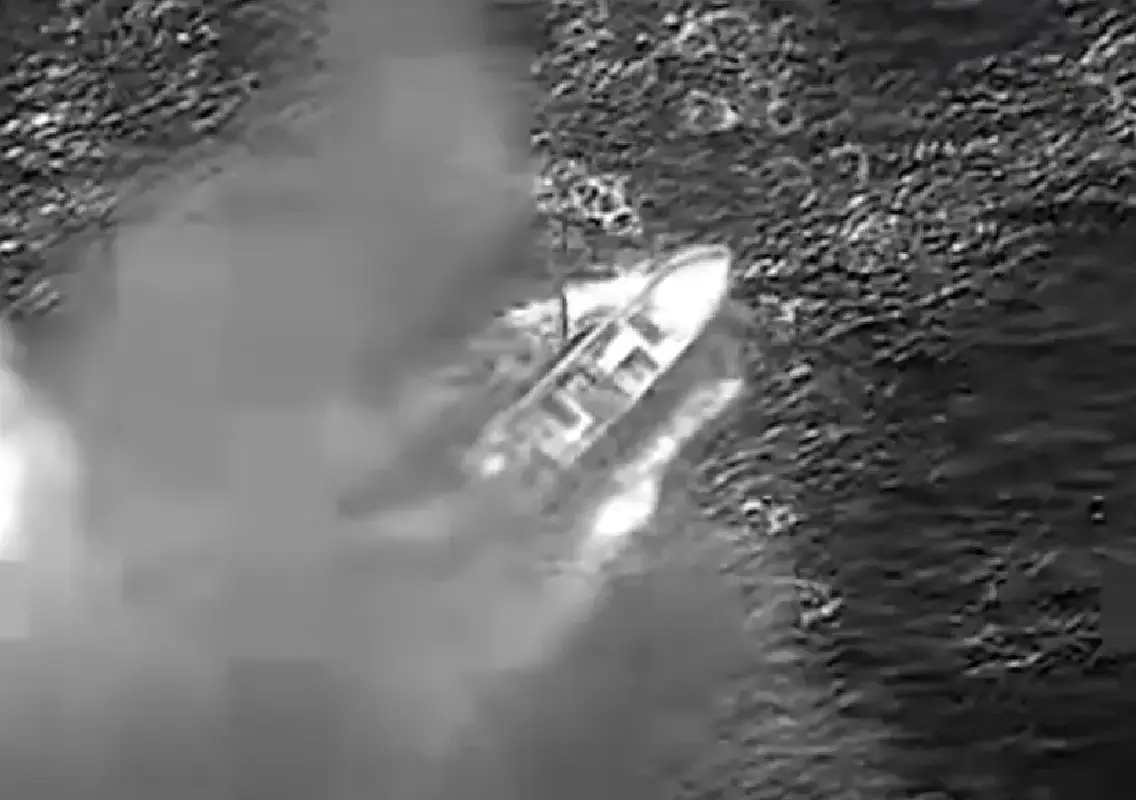


A US military strike on a suspected drug-smuggling vessel in the eastern Pacific Ocean has left two people dead and one survivor, officials confirmed, amid ongoing operations targeting alleged traffickers in Latin America.
Deadly strike during anti-drug operation
The US Southern Command stated that the vessel was targeted along a known drug trafficking route. Following the strike, the US Coast Guard launched a search and rescue operation.
Authorities later confirmed that two bodies were recovered, while one survivor was rescued and handed over to the Costa Rican Coast Guard. Initial reports had indicated more survivors, but only one was ultimately found alive.
Rising toll in maritime strikes
This incident adds to a growing number of fatalities linked to US military actions at sea. Since the campaign against what the administration terms “narcoterrorists” began, at least 159 people have reportedly died in similar strikes across the eastern Pacific and Caribbean regions.
Despite repeated operations, officials have not consistently provided evidence confirming that targeted vessels were actively involved in drug trafficking.
Policy defended, concerns raised
US President Donald Trump has defended the military campaign, stating that the country is engaged in an “armed conflict” with drug cartels. The administration argues that such strikes are necessary to curb the flow of narcotics and prevent overdose deaths in the United States.
However, critics have raised concerns about both the legality and effectiveness of these operations. Experts note that a significant portion of drugs, particularly fentanyl, typically enters the US through land routes rather than maritime channels.
Questions over strategy and impact
The latest strike has reignited debate over the broader strategy of using military force in anti-drug efforts. Human rights advocates and policy analysts have called for greater transparency, accountability, and evidence in such operations.
As tensions persist, the incident highlights the complexities of tackling drug trafficking while balancing international law and humanitarian considerations.