







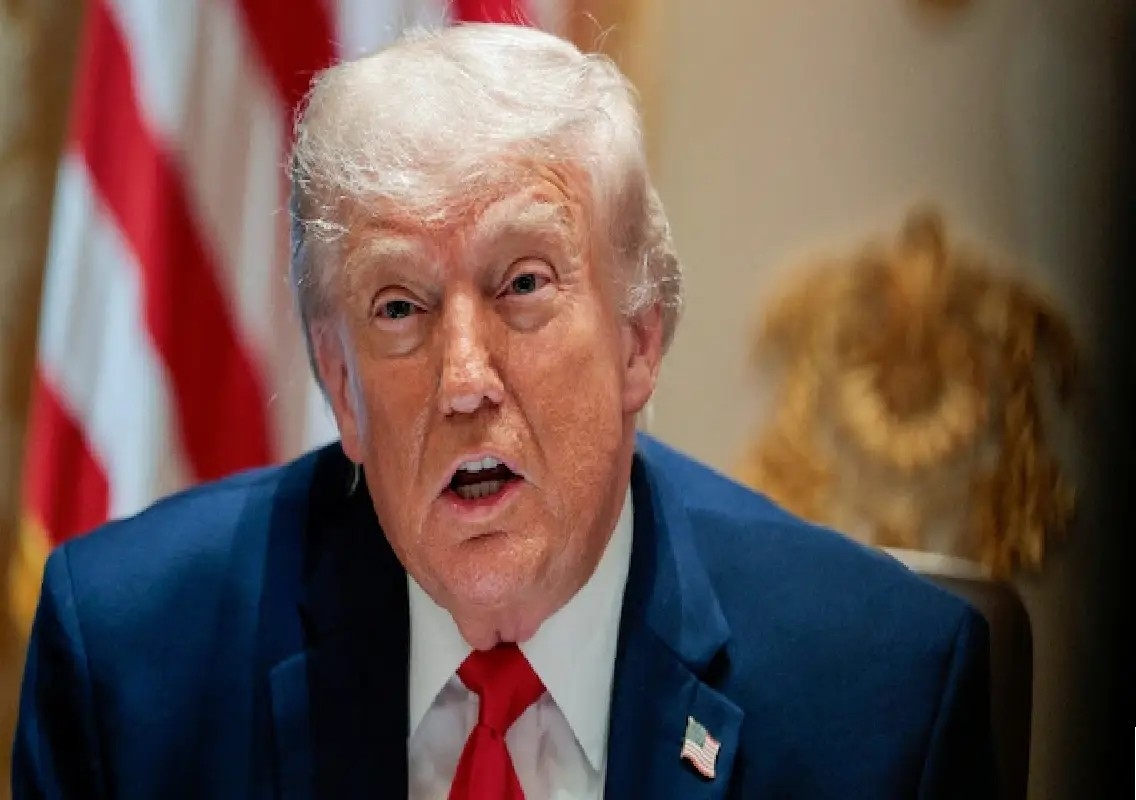


Washington, D.C.: Businesses across the United States have started receiving refunds for tariffs collected under former President Donald Trump after the US Supreme Court ruled that he lacked the constitutional authority to impose higher import duties on goods from most countries. However, the repayment process now faces uncertainty as the Trump administration prepares to challenge a court order that could expand refunds to all affected importers.
The ruling has significant financial implications for thousands of businesses that paid billions of dollars in additional import taxes over the past year. While refunds have already begun reaching some companies, a fresh legal dispute threatens to slow or complicate the process.
Refund process gains momentum
According to US Customs and Border Protection (CBP), businesses began receiving repayments on May 12, roughly three weeks after an online claims system was opened for importers and customs brokers.
As of May 22, refund applications worth approximately USD 85 billion had been accepted for processing. The amount represents more than half of the estimated USD 166 billion that authorities believe may need to be returned to businesses affected by the invalidated tariffs.
CBP stated that it has already directed the US Treasury Department to issue around USD 20.6 billion in refunds to eligible companies.
The repayments relate to tariffs imposed under the administration’s so-called reciprocal tariff programme, which affected imports from numerous countries before being struck down by the Supreme Court.
Administration plans appeal
The refund process encountered a fresh challenge after the Department of Justice announced plans to appeal a ruling by Judge Richard K Eaton.
The judge had determined that all importers who paid the now-invalid tariffs should be eligible for refunds, rather than only those companies that filed legal complaints challenging the duties.
Government lawyers argued that the judge exceeded his authority by extending the scope of relief beyond the businesses that initiated legal action.
The administration has maintained that refunds should primarily be processed for companies involved in the existing legal cases, of which nearly 485 complaints are currently pending before the trade court.
Court seeks answers on repayment timeline
Judge Eaton has scheduled a hearing on June 9 to examine whether the government is doing enough to accelerate the refund process.
The court initially requested that CBP Commissioner Rodney Scott personally appear to explain how long it would take to repay all potentially eligible importers.
Justice Department lawyers objected, arguing that Scott, as a senior presidential appointee, should not be compelled to testify. They instead proposed that one or two deputy officials appear before the court.
The judge has emphasised that the government is obligated to return money collected through duties that were later found to be unlawful.
Businesses await full repayments
The refunds are expected to have varying impacts across industries.
Major retailers have indicated that some of the recovered funds could be used to reduce prices for consumers. Executives at leading retail chains said tariff repayments would help offset costs that were previously passed on through higher prices.
For smaller businesses, the refunds are proving even more significant. Many companies have reported that the money will be used to pay existing debts, cover operating expenses or manage ongoing import costs.
Toy manufacturer Basic Fun reported receiving approximately USD 450,000 in initial repayments, representing about 7 per cent of its total claim. Company executives welcomed the repayments but expressed concerns about the pace of subsequent disbursements.
Business owners argue that faster repayments would provide much-needed liquidity and support investment, hiring and day-to-day operations.
Economic implications remain significant
With an estimated USD 166 billion potentially eligible for repayment, the tariff refund programme has become one of the largest government reimbursement efforts in recent years.
The outcome of the administration’s appeal could determine whether hundreds of thousands of importers gain access to refunds or whether eligibility remains limited to companies that pursued legal action.
Until the courts provide further clarity, businesses across the United States will continue monitoring both the refund process and the evolving legal battle surrounding the disputed tariffs.