







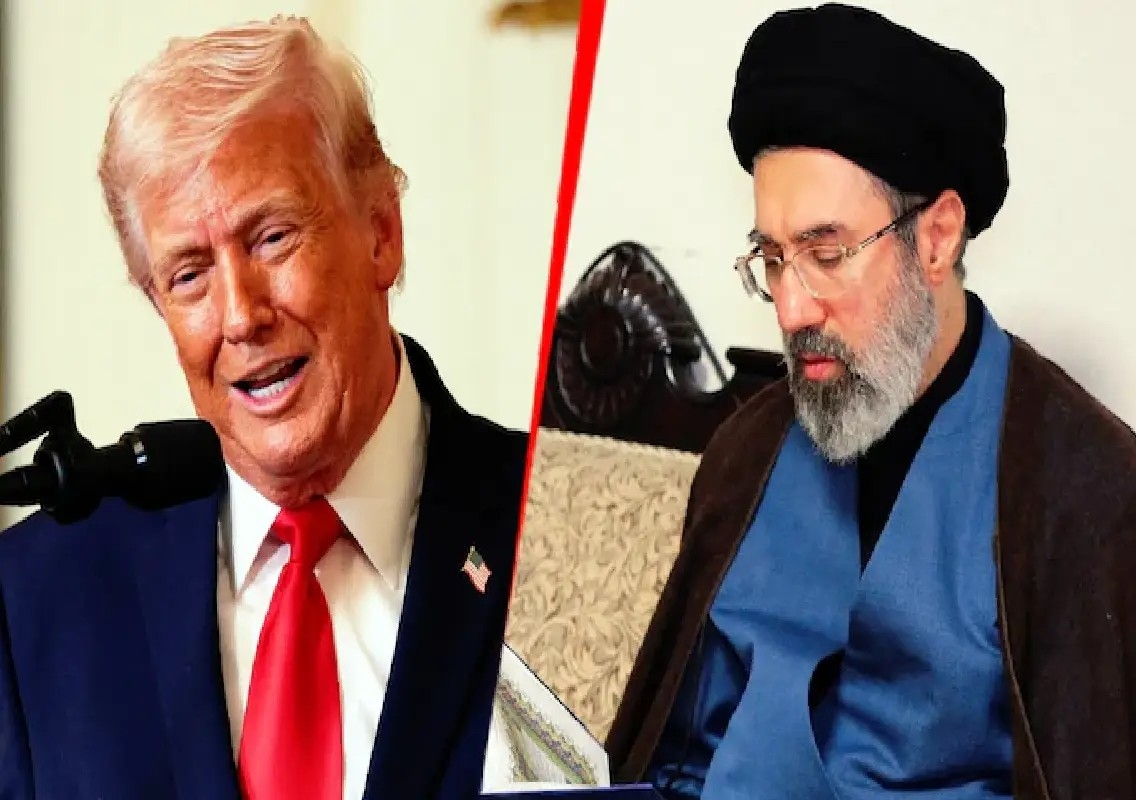


Washington: The United States is reportedly considering a proposal to redirect Iranian assets to help Gulf allies recover losses linked to attacks attributed to Iran. The move, if implemented, could allow funds to be used for rebuilding damaged infrastructure, covering repair costs and compensating regional partners for losses incurred during previous incidents.
The proposal comes amid renewed military tensions in the Gulf following a fresh exchange of strikes between the United States and Iran, raising concerns about the future of ongoing diplomatic efforts between the two countries.
US reviewing potential use of Iranian assets
According to reports, US Treasury Secretary Scott Bessent has directed officials to assess the financial impact of damage attributed to Iran in Gulf nations and examine whether Iranian assets could be used to offset those costs.
The review is reportedly looking beyond assets currently frozen by the United States, although specific details regarding the funds under consideration have not been disclosed.
Officials are said to be evaluating both future and past claims, meaning any framework could potentially compensate Gulf allies for previous losses while also creating a mechanism to address damages from future attacks.
Proposal may complicate diplomatic efforts
The reported plan could add further strain to already delicate negotiations between Washington and Tehran.
Iran has consistently sought access to billions of dollars in funds held abroad and has argued that the release of frozen assets should form a central component of any broader agreement with the United States.
Analysts believe any move to redirect Iranian assets toward compensation payments could face strong opposition from Tehran and complicate ongoing diplomatic discussions aimed at reducing tensions in the region.
The development follows recent Iranian attacks targeting Kuwait and Bahrain, which have heightened security concerns among Gulf Cooperation Council countries.
Fresh military exchanges test ceasefire
The asset proposal surfaced as the United States and Iran continued exchanging military strikes despite an existing ceasefire arrangement.
According to reports, US forces carried out strikes on Iranian coastal radar facilities in Goruk and on Qeshm Island near the Strait of Hormuz after intercepting Iranian drones allegedly threatening maritime traffic.
Iran subsequently launched missiles towards US military installations in Kuwait and Bahrain.
Kuwaiti authorities reported that several ballistic missiles crossed over populated areas, causing material damage but no casualties. Bahrain activated emergency warning systems and advised residents to seek shelter.
Iran’s Revolutionary Guard stated that the attacks targeted American military facilities, while US officials reported that most incoming missiles were intercepted before reaching their intended targets.
Pakistan continues mediation efforts
Despite the renewed military confrontation, diplomatic channels remain active.
Pakistan has emerged as an important intermediary between Washington and Tehran in recent months. Reports indicate that Pakistani Interior Minister Mohsin Naqvi visited Tehran carrying a message from Pakistan’s political and military leadership for Iran’s Supreme Leader, Mojtaba Khamenei.
The visit reflects ongoing efforts to maintain dialogue and prevent further escalation in the region.
Diplomatic sources suggest that negotiations have slowed amid disagreements over sanctions relief, access to frozen Iranian revenues and maritime security issues related to the Strait of Hormuz.
Frozen assets remain central issue
One of the major sticking points in negotiations continues to be Iran’s demand for access to frozen assets held overseas.
Iranian officials have repeatedly argued that the release of billions of dollars in restricted funds is essential for any long-term settlement with Washington.
Reports indicate that an adviser to Iran’s leadership recently described the release of approximately $24 billion in frozen assets as a critical component of any future agreement.
The reported US review of alternative uses for Iranian funds therefore introduces a potentially contentious new dimension to the negotiations.
Regional tensions remain high
The broader regional security situation remains volatile despite efforts to maintain a ceasefire.
In Lebanon, military confrontations continue to raise concerns about the potential for wider conflict. Recent incidents involving Israeli operations and Lebanese security forces have underscored the interconnected nature of regional tensions.
Observers note that progress in US-Iran negotiations is increasingly linked to developments across multiple fronts, including the Gulf, Lebanon and maritime security routes.
Uncertain path ahead
While no final decision has been announced regarding the use of Iranian assets, the proposal highlights the complex challenges facing policymakers seeking to balance security concerns, compensation claims and diplomatic negotiations.
As Washington and Tehran continue to navigate a fragile ceasefire and broader regional tensions, the fate of billions of dollars in Iranian assets may become a key issue shaping future discussions between the two sides.